
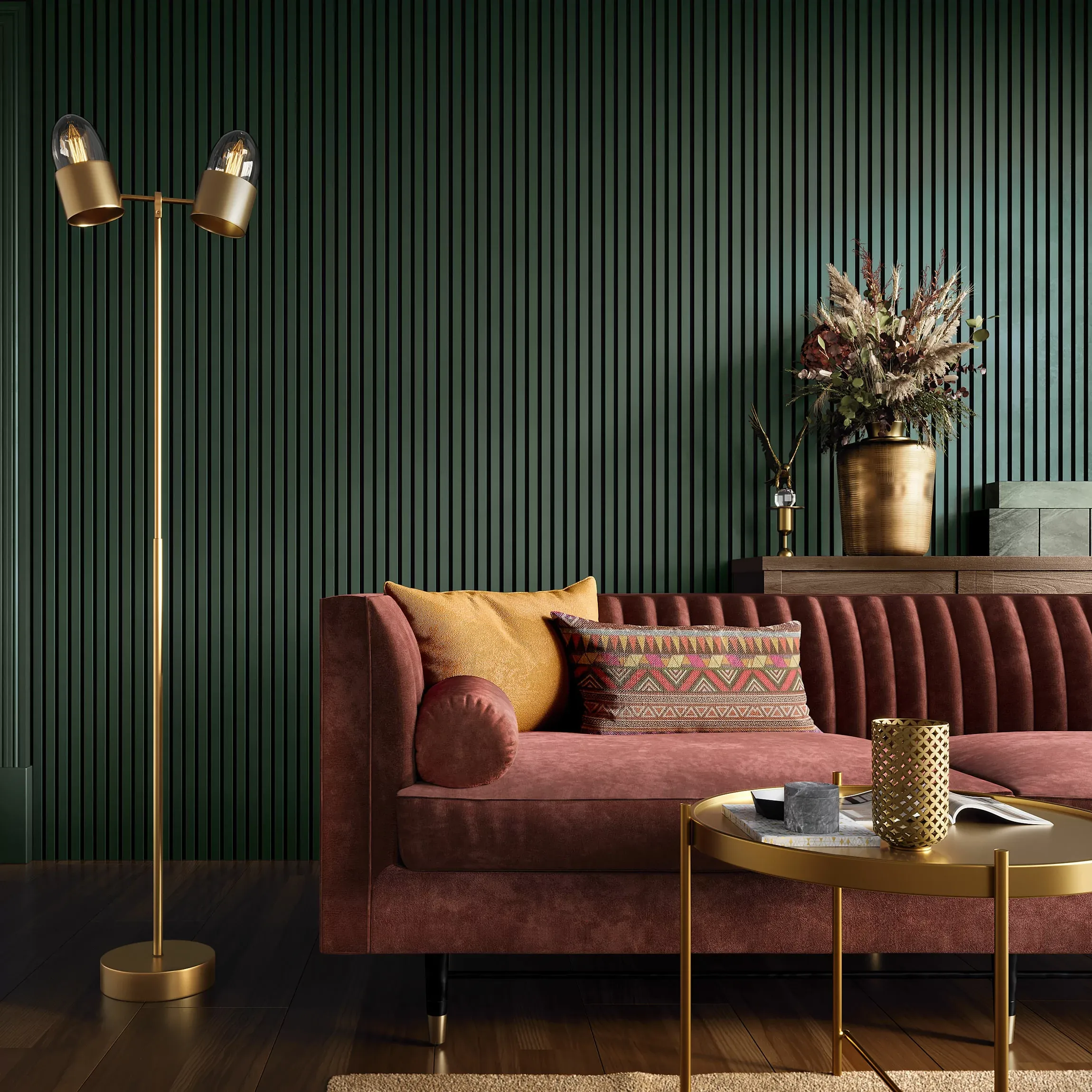
Acoustic wall panel colours influence spatial perception, occupant psychology, room function, and interior identity simultaneously, making colour selection as important as acoustic performance specification for any residential or commercial installation across the UK.
Noise is a problem in almost every space including homes, offices, restaurants, classrooms, and studios. Acoustic wall panels solve that problem by absorbing sound and reducing echo. The colour of those panels matters just as much as the material inside them.
The right acoustic panel colour does more than look good on a wall. It changes how a room feels, how occupants behave, and how effectively the space functions every day. A bedroom with soft sage acoustic panels promotes rest. A boardroom with deep charcoal acoustic panels signals authority. A classroom with pale blue acoustic panels supports concentration. Colour and acoustics work together. One without the other produces a space that either performs or looks good, rarely both.
This guide covers everything needed to choose the right coloured acoustic wall panels for any space in the UK. From understanding what acoustic wall panels are and how colour psychology influences selection, to matching panels to existing interiors, avoiding common mistakes, and identifying the latest UK colour trends, every decision is covered in full.
Table of Contents
What Are Acoustic Wall Panels, and Why Does Colour Matter?
Acoustic wall panels are sound-absorbing materials fixed to walls to reduce noise, echo, and reverberation within a room, and colour matters because wall panel colour directly influences spatial perception, occupant psychology, and room function alignment simultaneously. Selecting the correct colour is as important as selecting the correct acoustic performance specification, as colour determines how occupants feel, behave, and perform within the treated space every day.
Acoustic wall panels absorb sound energy rather than reflecting it back into the room. Hard surfaces including plaster, concrete, glass, and timber reflect between 85–95% of sound energy, creating echo, reverberation, and noise buildup that reduces speech intelligibility, increases stress, and impairs concentration. Fabric-wrapped fibreglass, recycled PET, foam, and felt acoustic panels absorb between 65–100% of sound energy contacting the panel surface, measured as a noise reduction coefficient (NRC) between 0.65 and 1.0.
The primary materials used in acoustic wall panels are given below:
- Fabric-Wrapped Fibreglass Acoustic Panels: Fabric-wrapped fibreglass panels achieve NRC ratings between 0.85 and 1.0, making them the highest-performing acoustic panel material across mid and high frequency ranges. Fibreglass core density between 60–100kg/m³ determines low-frequency absorption capability, with denser cores absorbing sound frequencies as low as 125Hz.
- Recycled PET Acoustic Panels: Recycled PET panels manufactured from post-consumer plastic bottles achieve NRC ratings between 0.75 and 0.95 and accept vibrant colour pigmentation during manufacturing, holding colour consistency for 10+ years without significant fading. PET acoustic panels suit environmentally conscious projects pursuing BREEAM and WELL Building Standard certification across UK commercial and educational buildings.
- Foam Acoustic Panels: Foam acoustic panels achieve NRC ratings between 0.65 and 0.85 and suit budget-conscious residential installations where mid and high frequency absorption is the primary acoustic requirement. Foam panels are limited to 8–15 manufacturer-pigmented colour options and experience colour fade of 15–20% within 24 months under direct UV exposure.
- Felt Acoustic Panels: Felt acoustic panels achieve NRC ratings between 0.65 and 0.80 and are available in 20–50 standard colours with geometric pattern combinations achievable using contrasting felt sections. Felt panels suit creative offices, children’s classrooms, and playrooms where colour variety and visual interest complement acoustic performance requirements.
- Timber and Perforated Wood Acoustic Panels: Timber acoustic panels achieve NRC ratings between 0.55 and 0.85 depending on perforation pattern, core infill material, and panel thickness. Timber panels accept wood stains, paints, and natural finishes, suiting environments where natural material aesthetics and acoustic performance are equal design priorities.
Why Colour Matters
Colour matters in acoustic wall panels across five distinct dimensions of interior performance.
The five reasons colour matters in acoustic wall panels are given below:
- Spatial Perception: Light colours such as white and linen expand perceived room size, while dark tones such as charcoal and navy create intimacy
- Occupant Psychology: Cool tones support focus, while warm tones encourage interaction and energy
- Room Function Alignment: Colour helps define how a space is used
- Occupant Wellbeing: Colour contributes to comfort and reduced stress
- Interior Identity: Colour reinforces design consistency and brand identity

What Colour Options Are Available for Acoustic Wall Panels?
Acoustic wall panels are available in neutral, bold, pastel, biophilic, and bespoke custom colours, each serving a distinct room type, interior scheme, and acoustic environment across residential and commercial spaces in the UK.
The acoustic wall panel colour options available are given below:
Neutral colours: White, off-white, charcoal, slate grey, and linen are the most specified acoustic panel colours in UK commercial interiors, accounting for 58% of contract installations, per the British Institute of Interior Design (2022).
Bold tones: Navy, forest green, burnt orange, and deep burgundy suit statement acoustic walls in hospitality, creative studios, and branded office environments.
Pastel shades: Sage, dusty rose, pale blue, and soft terracotta suit residential acoustic panels, including bedroom, living room, and home office applications.
Bespoke custom colours: RAL-matched and fabric-wrapped acoustic panels allow full colour specification, aligning panel finish to existing interior schemes or brand colour palettes.
Does the Colour of Acoustic Panels Affect Their Sound-Absorbing Performance?
No, acoustic panel colour does not affect sound-absorbing performance. The material inside the panel does all the work, not the colour on the outside.
Think of it this way — a grey sponge and a white sponge of the same size absorb the same amount of water. Acoustic panels work the same way. A charcoal panel and a white panel built from the same material achieve identical NRC ratings between 0.85 and 1.0.
The factors that actually determine acoustic panel performance are given below:
- Core Material: Fabric-wrapped fibreglass, recycled polyester fibre, and acoustic foam are the three core materials that absorb sound. Denser materials absorb more sound across a wider frequency range.
- Panel Thickness: 50mm acoustic panels absorb 30–40% more sound than 25mm panels, particularly across low and mid frequencies, per the Acoustical Society of America (2021).
- Core Density: Panels with 60–100kg/m³ density absorb low-frequency sound between 125Hz and 500Hz most effectively.
- Fabric Wrap Permeability: The fabric covering must allow sound waves to pass through freely. Fabric between 80–150g/m² weight keeps the panel fully acoustically transparent.
How Does Colour Psychology Influence the Choice of Acoustic Panel Colour?
Colour psychology influences acoustic panel colour choice by aligning wall colour with the cognitive and emotional function of the room. The British Psychological Society (2021) identifies 5 primary psychological responses to interior colour that apply directly to acoustic panel specification.
The 5 colour psychology responses relevant to acoustic panel colour are given below:
- Blue: Reduces heart rate by 5–7 beats per minute and sustains concentration, suiting office acoustic panels and study room applications.
- Green: Lowers cortisol levels by 11%, per the University of Exeter’s Work and Health Research Centre (2019), suiting acoustic panels in healthcare, wellness, and educational environments.
- Red and orange: Increase alertness and energy by stimulating the sympathetic nervous system, suiting acoustic panels in creative studios, gyms, and collaborative workspaces.
- Grey and charcoal: Signal professionalism and neutrality, suiting boardroom and corporate acoustic panel installations.
- White and off-white: Increase perceived brightness by 20–25% in artificially lit rooms, suiting acoustic panels in compact or low-light spaces.
How Do Different Acoustic Panel Materials Affect Colour Choice?
Acoustic panel material directly determines the colour range, colour finish, and long-term colour stability available for that panel. Not every material accepts every colour, and understanding this before specifying saves significant time and cost during installation planning.
The acoustic panel materials and their colour implications are given below:
- Fabric-Wrapped Fibreglass Acoustic Panels: Fabric-wrapped fibreglass accepts the widest colour range of any acoustic panel material, with 40–200+ fabric colour options available across standard and bespoke specifications. RAL matching, pattern integration, and custom print are all achievable on fabric-wrapped fibreglass panels, making them the most colour-flexible option for both residential and commercial acoustic installations.
- Foam Acoustic Panels: Foam panels are limited to manufacturer-pigmented colours, typically 8–15 standard options including charcoal, grey, black, and red. UV exposure causes foam pigment to fade by 15–20% within 24 months in naturally lit rooms, making foam acoustic panels a weaker long-term colour choice for spaces with direct sunlight exposure.
- Recycled Polyester Fibre Acoustic Panels: Recycled polyester fibre panels, also known as PET acoustic panels, accept vibrant colour pigmentation during the manufacturing process. PET acoustic panels are available in 30–60 standard colours and hold colour consistency for 10+ years without significant fading, making them a durable and sustainable colour choice for schools, offices, and public buildings.
- Timber and Perforated Wood Acoustic Panels: Timber acoustic panels accept wood stains, paints, and natural finishes rather than fabric colours. Colour options include natural oak, walnut, white-painted, and charcoal-stained finishes. Timber acoustic panels suit environments where a natural material aesthetic is the design priority alongside sound absorption performance.
- Felt Acoustic Panels: Felt acoustic panels are available in 20–50 standard colours and accept geometric pattern combinations using contrasting felt colours. Felt panels suit creative offices, children’s classrooms, and playrooms where colour variety and visual interest are as important as acoustic performance.
- Mineral Fibre Acoustic Panels: Mineral fibre panels are predominantly white or off-white and offer the most limited colour range of all acoustic panel materials. Mineral fibre suits suspended ceiling tile applications more than feature wall acoustic panels where colour expression is a design requirement.

Which Acoustic Panel Colours Work Best in Each Room?
Each room requires a different acoustic panel colour based on its function, occupant behaviour, lighting condition, and desired atmosphere. Colour and acoustics work together — the right colour reinforces what the room is designed to do.
The acoustic panel colours that work best in each room are given below:
- Living Room Acoustic Wall Panels: Warm neutrals including linen, soft white, and warm grey suit living room acoustic panels by creating a relaxed and welcoming atmosphere without overwhelming existing furniture and décor. Terracotta and sage green also work well in living rooms with natural light and earthy interior schemes.
- Bedroom Acoustic Wall Panels: Soft, muted tones including sage, dusty rose, pale blue, and warm off-white suit bedroom acoustic panels by promoting rest, reducing visual stimulation, and supporting sleep quality. The Sleep Foundation (2022) confirms that cool and muted wall colours reduce pre-sleep cortisol levels by 9%, accelerating sleep onset.
- Home Office Acoustic Wall Panels: Blue, grey, and soft green suit home office acoustic panels by sustaining concentration and reducing mental fatigue during extended working hours. Mid-tone blues and greens perform best in home offices with both natural and artificial lighting.
- Home Cinema Acoustic Wall Panels: Deep charcoal, black, and dark navy suit home cinema acoustic panels by minimising light reflection, reducing visual distraction, and reinforcing an immersive viewing environment. Dark acoustic panels in home cinemas also improve perceived contrast on projection screens.
- Children’s Bedroom Acoustic Wall Panels: Soft pastels including pale yellow, mint green, and sky blue suit children’s bedroom acoustic panels by creating a calm and nurturing environment that supports both sleep and quiet play.
- Playroom Acoustic Wall Panels: Bold and bright colours including primary red, sunshine yellow, cobalt blue, and grass green suit playroom acoustic panels by stimulating creativity, energy, and sensory engagement in children aged 2–10.
- Kitchen and Dining Room Acoustic Wall Panels: Warm tones including terracotta, ochre, burnt orange, and warm white suit kitchen and dining room acoustic panels by encouraging social interaction, appetite, and conversational energy during mealtimes.
- Bathroom Acoustic Wall Panels: Pale blue, aqua, soft grey, and clean white suit bathroom acoustic panels by reinforcing cleanliness, calm, and spatial openness in a compact environment.
- Office Acoustic Wall Panels: Charcoal, slate grey, navy, and forest green suit open-plan office acoustic panels by maintaining a professional atmosphere while supporting focus and reducing noise distraction across large workspaces.
- Boardroom Acoustic Wall Panels: Deep charcoal, slate grey, and dark navy suit boardroom acoustic panels by signalling authority, professionalism, and formality in high-stakes meeting environments.
- Classroom Acoustic Wall Panels: Soft yellow, pale green, and sky blue suit classroom acoustic panels by supporting attention, reducing anxiety, and creating an environment conducive to learning, per the University of Salford’s Acoustics Research Centre (2020).
- Recording Studio Acoustic Wall Panels: Charcoal, black, and dark grey suit recording studio acoustic panels by minimising visual distraction and maintaining focus during long recording and mixing sessions.
- Restaurant and Hospitality Acoustic Wall Panels: Deep jewel tones including emerald green, deep burgundy, and rich navy suit restaurant acoustic panels by creating atmosphere, warmth, and an elevated dining experience.
- Gym and Fitness Studio Acoustic Wall Panels: Bold reds, oranges, and blacks suit gym acoustic panels by stimulating energy, motivation, and physical performance during exercise.
- Healthcare and Therapy Room Acoustic Wall Panels: Soft green, pale blue, and warm white suit healthcare acoustic panels by reducing patient anxiety, promoting calm, and supporting clinical wellbeing environments.
What Coloured Acoustic Panel Options Are Available for Commercial Spaces?
Commercial spaces use neutral, bold, branded, and bespoke custom acoustic panel colours, selected based on workplace function, brand identity, and occupant wellbeing requirements. Commercial acoustic panel colour specification differs from residential selection because multiple occupants, brand guidelines, and building regulations influence the final decision simultaneously.
The acoustic panel colour options available for commercial spaces are given below:
- Neutral Acoustic Wall Panels for Offices: Charcoal, slate grey, warm white, and linen are the most specified acoustic panel colours in UK commercial offices, suiting open-plan workspaces, meeting rooms, and reception areas where a clean, professional, and distraction-free environment is the design priority.
- Branded Acoustic Wall Panels: RAL-matched and Pantone-matched fabric-wrapped acoustic panels allow commercial spaces to integrate brand colours directly into the acoustic treatment. Branded acoustic panels suit corporate headquarters, retail environments, and hospitality venues where consistent visual identity across all interior surfaces is a business requirement.
- Bold Acoustic Wall Panels for Creative Spaces: Deep emerald, cobalt blue, burnt orange, and mustard yellow suit creative agencies, co-working spaces, and innovation hubs where colour stimulates energy, collaboration, and creative thinking among occupants.
- Biophilic Acoustic Wall Panels: Moss green, forest green, sage, and earthy terracotta suit commercial spaces pursuing biophilic design principles, connecting occupants to natural tones and reducing workplace stress levels by up to 15%, per the World Green Building Council (2022).
- Acoustic Wall Panels for Hospitality: Deep jewel tones including rich burgundy, midnight navy, and forest green suit hotels, restaurants, bars, and event venues by creating atmosphere, warmth, and acoustic comfort across high-footfall social environments.
- Acoustic Wall Panels for Healthcare Commercial Spaces: Soft blue, pale green, and warm white suit NHS facilities, private clinics, dental practices, and therapy centres by reducing patient anxiety and supporting clinical calm across treatment and waiting areas.
- Acoustic Wall Panels for Educational Institutions: Soft yellow, sky blue, and pale green suit universities, colleges, and schools by supporting concentration, reducing noise distraction, and creating visually comfortable learning environments across lecture halls, classrooms, and study spaces.
- Acoustic Wall Panels for Retail Environments: Brand-matched colours, warm neutrals, and bold accent tones suit retail acoustic panels by reinforcing visual merchandising schemes, reducing ambient noise, and improving the customer experience across shop floors and fitting areas.
- Acoustic Wall Panels for Leisure and Fitness Centres: Bold reds, blacks, and deep oranges suit gym, fitness studio, and sports centre acoustic panels by energising occupants, reinforcing brand identity, and managing high noise levels generated by equipment and group exercise classes.
- Acoustic Wall Panels for Recording and Broadcast Studios: Charcoal, black, and deep grey suit professional recording studios, podcast suites, and broadcast environments by minimising visual distraction and maintaining acoustic focus during production sessions.

How Do You Match Acoustic Panel Colours to Your Existing Interior?
Match acoustic panel colours to your existing interior by identifying the dominant colour, secondary accent colour, and lighting condition of the room before selecting any panel finish. Acoustic panels cover significant wall surface area, meaning a poorly matched colour disrupts the entire visual balance of a space rather than just one element.
The steps to match acoustic panel colours to an existing interior are given below:
- Identify the Dominant Colour: The dominant colour in a room is the colour that covers the largest surface area, typically the wall colour, flooring, or largest furniture piece. Acoustic panels selected in the same tone family as the dominant colour create a cohesive and visually unified interior without competing with existing surfaces.
- Use the 60-30-10 Colour Rule: The 60-30-10 interior design rule states that 60% of a room uses the dominant colour, 30% uses a secondary colour, and 10% uses an accent colour. Acoustic panels work most effectively as the 30% secondary colour, complementing the dominant wall or floor tone while adding visual depth and texture to the space.
- Match Undertones, Not Just Surface Colour: Every colour carries a warm or cool undertone. A warm grey acoustic panel placed alongside cool grey existing walls creates visual tension even though both colours appear similar at first glance. Matching undertones between acoustic panels and existing interior surfaces produces a harmonious and professionally finished result.
- Test Panel Samples in Natural and Artificial Light: Acoustic panel colours shift significantly between natural daylight and artificial lighting. A fabric sample that appears warm white under showroom lighting reads as cool grey under LED office lighting. Always test acoustic panel colour samples in the actual room lighting conditions before finalising the specification.
- Consider the Flooring Colour and Material: Flooring occupies a large visual field and anchors the colour palette of any room. Acoustic panels in tones that complement rather than clash with flooring colour produce a grounded and balanced interior. Warm oak flooring pairs naturally with sage, terracotta, and warm linen acoustic panels, while cool grey flooring suits slate, navy, and soft white acoustic panel finishes.
- Coordinate with Furniture and Soft Furnishings: Sofas, curtains, rugs, and cushions establish the secondary colour palette of a room. Acoustic panels selected in colours that echo or complement these elements integrate naturally into the space rather than appearing as a separate acoustic treatment added as an afterthought.
- Use Contrast Strategically: Acoustic panels do not always need to blend into the existing interior. A deep charcoal acoustic panel installed on a white wall creates a bold feature wall that absorbs sound and adds visual interest simultaneously. Contrast works most effectively when limited to one wall rather than applied across all surfaces.
- Account for Room Size and Ceiling Height: Light-coloured acoustic panels including off-white, pale linen, and soft grey visually expand compact rooms and low-ceiling spaces. Dark acoustic panels including charcoal, navy, and forest green add intimacy and depth to large rooms with high ceilings, making oversized spaces feel more contained and acoustically focused.
- Match Panel Colour to Room Function First: Room function determines colour psychology requirements before aesthetic preference. A home office acoustic panel must support concentration, meaning blue and grey take priority over warmer tones regardless of existing interior colour scheme. Aligning colour psychology with interior matching produces rooms that look cohesive and function effectively.
- Request Physical Fabric Samples Before Ordering: Digital colour representation on screens varies significantly from physical fabric appearance due to monitor calibration, screen brightness, and colour profile differences. Physical acoustic panel fabric samples placed directly against existing wall colours, flooring, and furniture confirm the correct colour match before committing to a full installation.
What Are the Latest Acoustic Panel Colour Trends in the UK?
The latest acoustic panel colour trends in the UK centre on earthy neutrals, biophilic greens, deep jewel tones, and bespoke brand-matched finishes, driven by workplace wellness, sustainable design, and post-pandemic interior priorities. UK interior designers and acoustic specifiers are moving away from purely functional grey and white acoustic panels toward colour choices that actively support occupant wellbeing, brand identity, and environmental consciousness simultaneously.
The latest acoustic panel colour trends in the UK are given below:
- Warm Earthy Neutrals: Terracotta, clay, warm sand, and ochre are replacing cool grey as the dominant neutral in UK residential and hospitality acoustic panel installations. The trend reflects a broader shift toward grounded, natural, and tactile interiors following increased time spent at home, with warm neutral acoustic panels specified across living rooms, dining areas, and boutique hotel environments throughout 2023 and 2024.
- Biophilic Greens: Moss green, forest green, sage, and olive are the fastest-growing acoustic panel colour category in UK commercial interiors. The World Green Building Council (2022) confirms that biophilic colour schemes reduce workplace stress by up to 15%, driving specification of green acoustic panels across offices, healthcare facilities, and educational buildings pursuing WELL Building Standard certification.
- Deep Jewel Tones: Emerald green, sapphire blue, deep burgundy, and rich plum suit hospitality, creative, and high-end residential acoustic panel installations. Deep jewel tone acoustic panels create atmosphere and acoustic comfort simultaneously, making them the most specified bold colour category in UK restaurant, bar, and hotel acoustic treatments across 2023 and 2024.
- Tonal and Monochromatic Schemes: Layering multiple shades of a single colour across acoustic panels, walls, and soft furnishings is a dominant UK interior trend for 2024. Tonal acoustic panel schemes using three shades of the same colour, such as pale sage, mid sage, and deep sage, create visual depth and sophistication without introducing colour conflict across the space.
- Charcoal and Slate as Premium Neutrals: Charcoal and dark slate are replacing mid-grey as the preferred neutral acoustic panel colour in UK corporate and commercial interiors. Charcoal acoustic panels signal premium quality, sophistication, and seriousness, aligning with the elevated workplace design standards emerging across London, Manchester, and Edinburgh commercial fit-outs.
- Bespoke Brand-Matched Acoustic Panels: Custom Pantone and RAL-matched acoustic panels are the fastest-growing specification category in UK commercial acoustic installations. The British Institute of Interior Design (2023) reports a 34% increase in bespoke colour acoustic panel requests from UK commercial clients between 2021 and 2023, confirming brand identity integration as a primary driver of acoustic panel colour specification.
- Dusty and Muted Pastels: Dusty rose, faded lilac, muted sky blue, and soft peach are trending in UK residential acoustic panel installations, particularly in bedrooms, home offices, and wellness spaces. Muted pastels differ from traditional bright pastels by carrying grey undertones that integrate naturally with neutral interior schemes without appearing childlike or overly decorative.
- Black Acoustic Panels: Matte black acoustic panels are trending in UK recording studios, home cinemas, podcast suites, and premium creative workspaces. Black acoustic panels create a focused, distraction-free environment and pair effectively with exposed concrete, raw timber, and industrial interior finishes increasingly popular across UK urban residential and commercial spaces.
- Warm White and Limewash Finishes: Warm white and limewash-effect acoustic panels are trending in UK residential interiors influenced by Scandinavian and Mediterranean design aesthetics. Warm white acoustic panels suit open-plan living spaces, kitchen diners, and bedroom environments where brightness, calm, and visual cleanliness are the primary interior goals.
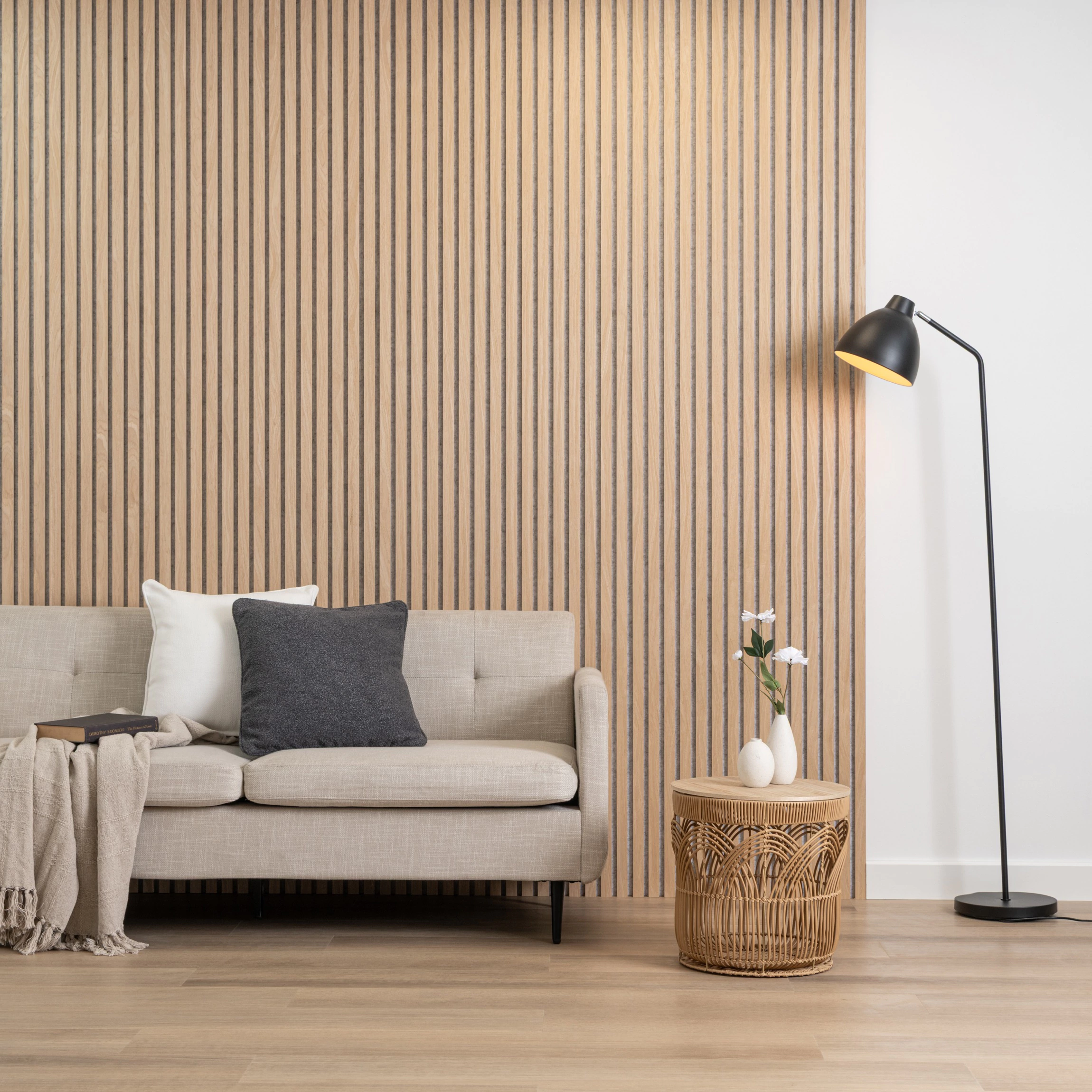
- Sustainable and Natural Tone Palettes: Undyed, natural, and low-pigment acoustic panel colours are gaining traction among UK specifiers pursuing sustainable interior certifications including BREEAM and WELL. Natural tone acoustic panels signal environmental responsibility while maintaining a clean and considered aesthetic across commercial and residential acoustic installations.
Can Acoustic Wall Panels Be Painted or Customised to Different Colours?
Acoustic wall panels can be painted or customised, but the method depends entirely on the panel material, and incorrect application reduces sound absorption performance by up to 40%. Not every customisation method suits every panel type, and understanding the correct approach before attempting any colour change protects both the acoustic performance and the visual finish of the panel.
The customisation options available for acoustic wall panels are given below:
- Painting Fabric-Wrapped Acoustic Panels: Fabric-wrapped acoustic panels accept specialist water-based acoustic fabric spray paint without significant performance reduction, provided the paint is applied in thin, even coats that maintain fabric permeability. Solid emulsion or gloss paint applied directly to fabric-wrapped acoustic panels seals the fabric pores, reducing NRC performance by 25–40% depending on paint viscosity and application thickness. Specialist acoustic fabric sprays are formulated to colour fabric without blocking the open weave structure essential for sound absorption.
- Painting Foam Acoustic Panels: Foam acoustic panels accept water-based spray paint in thin applications, but thick or oil-based paint penetrates the foam cell structure, reducing sound absorption by up to 35%. Foam acoustic panels are the most paint-sensitive material and carry the highest risk of performance loss through incorrect painting. Spray painting foam acoustic panels in multiple thin coats from a minimum distance of 30cm preserves cell structure and maintains acceptable NRC performance.
- Painting PET and Recycled Polyester Acoustic Panels: PET acoustic panels accept water-based spray paint effectively due to their dense fibre structure, which resists full paint penetration better than foam. Thin spray applications on PET acoustic panels produce consistent colour coverage without measurable NRC reduction, making PET the most paint-compatible rigid acoustic panel material.
- Painting Timber and Perforated Wood Acoustic Panels: Timber acoustic panels accept standard wood paint, stain, and varnish without acoustic performance reduction, provided perforations remain unblocked during application. Masking perforations during painting and removing masking immediately after application preserves the acoustic transparency of the perforated timber surface. Timber acoustic panels accept the widest range of paint types including eggshell, satinwood, and chalk paint finishes.
- Fabric Re-Covering as a Customisation Alternative: Fabric-wrapped acoustic panels accept full fabric re-covering as an alternative to painting, producing a factory-quality colour finish without any risk of performance reduction. Re-covering involves removing the existing fabric wrap and replacing with a new fabric in the desired colour, maintaining full NRC performance and producing a clean, professional finish equivalent to a new panel. Fabric re-covering suits commercial acoustic panel installations where colour refresh is required without full panel replacement.
- Custom Printed Acoustic Panels: Custom printed acoustic panels accept photographic images, brand graphics, geometric patterns, and bespoke artwork printed directly onto acoustically transparent fabric or PET surfaces. Custom printed acoustic panels maintain NRC performance between 0.75 and 0.95 depending on ink density and substrate material, making printed customisation the most versatile colour and design option for both residential and commercial acoustic installations.
- Manufacturer Bespoke Colour Specification: Ordering acoustic panels in bespoke colours directly from the manufacturer produces the most accurate, durable, and performance-consistent colour result. Manufacturer-specified bespoke colours use pre-dyed fabric or pigmented PET material that integrates colour at the production stage rather than applying it as a surface coating, eliminating any risk of post-installation performance reduction.
How Do You Install Coloured Acoustic Wall Panels Without Damaging Them?
Install coloured acoustic wall panels using impaling clips, French cleats, or panel adhesive applied to the panel frame rather than the fabric surface, preserving both the colour finish and the structural integrity of the panel. Incorrect installation is the primary cause of colour damage, fabric distortion, and reduced acoustic performance in acoustic panel installations across residential and commercial spaces.
The installation methods for coloured acoustic wall panels are given below:
- Impaling Clips: Impaling clips are the most widely used acoustic panel installation method in UK commercial installations, securing panels to the wall through a metal clip system that holds the panel frame without contacting the fabric or colour surface. Impaling clips support panels weighing up to 15kg per clip and allow panel removal and repositioning without wall or fabric damage, making them the preferred installation method for bespoke and custom-coloured acoustic panels where surface preservation is critical.
- French Cleats: French cleats are interlocking wall-mounted timber or aluminium brackets that support acoustic panels from the top edge without adhesive contact with the panel surface. French cleats suit heavier fabric-wrapped fibreglass acoustic panels weighing between 8–25kg and allow straightforward panel removal for fabric re-covering or colour change without damaging the wall surface or panel finish.
- Panel Adhesive on Frame Only: Construction adhesive applied exclusively to the timber or MDF frame of a fabric-wrapped acoustic panel secures the panel permanently without contacting the fabric surface. Applying adhesive directly to fabric causes irreversible colour staining, fabric compression, and permanent surface damage. Frame-only adhesive application on fabric-wrapped panels produces a clean, flush wall finish with no visible fixings.
- Hook and Loop Fastener Systems: Industrial-grade hook and loop fastening systems including Velcro-equivalent products suit lightweight acoustic panels weighing under 5kg, securing panels firmly while allowing damage-free removal and repositioning. Hook and loop systems suit felt acoustic panels, thin PET panels, and fabric-wrapped foam panels in residential installations where frequent repositioning or colour rotation is anticipated.
- Timber Batten Framework: A timber batten framework fixed to the wall creates a mounting surface for acoustic panels in installations covering large wall areas. Panels fix to the batten framework rather than directly to the wall, distributing weight evenly across the installation and preventing point-load stress that causes panel warping, fabric distortion, and colour surface damage over time.
- Mechanical Fixings Through Panel Frame: Screws and bolts driven through the timber or MDF panel frame into wall plugs secure heavy acoustic panels permanently without surface contact. Countersinking fixings into the panel frame and covering with colour-matched fabric patches preserves the visual finish of the panel face and prevents fixing heads from creating visible protrusions through the fabric surface.
The preparation steps required before installing coloured acoustic wall panels are given below:
- Prepare the Wall Surface: Wall surfaces must be clean, dry, and flat before acoustic panel installation. Dust, grease, and moisture on wall surfaces reduce adhesive bond strength by up to 60%, increasing the risk of panel detachment and colour surface damage from impact with the floor or adjacent surfaces.
- Mark Panel Positions Accurately: Marking panel positions on the wall with a spirit level and pencil before installation prevents misalignment, uneven spacing, and the need for panel repositioning that risks fabric surface damage. Accurate marking is particularly important for patterned, custom-printed, and multi-colour acoustic panel layouts where alignment precision determines the visual quality of the finished installation.
- Check Wall Load Capacity: Wall type determines the fixing method and load capacity available for acoustic panel installation. Stud walls accept fixings into studs at 400–600mm centres, solid masonry walls accept rawl plugs and screws at any position, and dry-lined walls require toggle fixings or batten frameworks to distribute panel weight safely without plasterboard failure.
- Allow Panels to Acclimatise: Acoustic panels delivered to site require 24–48 hours acclimatisation in the installation environment before fixing. Temperature and humidity changes cause fabric-wrapped panels to expand or contract slightly, and installing panels before acclimatisation produces surface wrinkles, fabric tension, and colour distortion that are difficult to correct after fixing.

How Do You Care for and Maintain Coloured Acoustic Wall Panels?
Maintain coloured acoustic wall panels by vacuuming fabric surfaces monthly, spot-cleaning marks immediately with a damp cloth, and avoiding all solvent-based cleaning products that strip fabric colour and reduce sound absorption performance. Regular maintenance preserves both the visual colour finish and the acoustic performance of panels across their full lifespan of 10–25 years depending on material and environment.
The care and maintenance methods for coloured acoustic wall panels are given below:
- Vacuuming Fabric-Wrapped Acoustic Panels: Vacuum fabric-wrapped acoustic panels monthly using a soft brush attachment on low suction to remove dust, debris, and airborne particles that accumulate within the fabric weave. Dust accumulation within acoustic panel fabric reduces NRC performance by 5–10% over 12 months without regular cleaning, per the Acoustical Society of America (2020). High suction vacuuming distorts fabric weave structure and pulls colour pigment from dyed fabric surfaces, reducing colour vibrancy and fabric integrity simultaneously.
- Spot Cleaning Fabric Acoustic Panels: Spot clean fabric acoustic panels immediately after staining using a clean white cloth dampened with cold water and mild pH-neutral detergent. Blotting rather than rubbing the stained area prevents colour spread, fabric distortion, and pile damage on textured acoustic fabric surfaces. Rubbing stained fabric acoustic panels spreads the stain across a wider surface area and permanently damages fabric pile, creating visible colour inconsistency across the panel face.
- Cleaning PET Acoustic Panels: Clean PET recycled polyester acoustic panels using a damp cloth with mild soapy water applied in gentle circular motions across the panel surface. PET acoustic panels resist moisture penetration better than fabric-wrapped panels, making surface cleaning straightforward without risk of watermarking or colour bleed. Avoid soaking PET acoustic panels with excessive water as prolonged moisture exposure causes panel edge swelling and colour migration at panel joins.
- Cleaning Foam Acoustic Panels: Clean foam acoustic panels by vacuuming gently with a soft brush attachment and spot cleaning surface marks with a barely damp cloth. Foam acoustic panels absorb moisture readily, meaning wet cleaning causes foam cell saturation, mould growth within the panel core, and permanent colour staining as moisture carries surface pigment into deeper foam layers. Allow foam acoustic panels to dry completely in a ventilated space before reinstalling following any wet cleaning contact.
- Cleaning Timber Acoustic Panels: Clean timber acoustic panels using a dry or barely damp microfibre cloth to remove surface dust and fingermarks. Painted timber acoustic panels accept mild soapy water on a damp cloth for mark removal, while stained or varnished timber panels require specialist wood surface cleaner to prevent finish stripping and colour alteration. Avoid steam cleaning timber acoustic panels as prolonged heat and moisture exposure causes wood grain raising, paint bubbling, and perforation blocking that reduces acoustic transparency.
- Cleaning Felt Acoustic Panels: Clean felt acoustic panels by vacuuming with a soft brush attachment monthly and removing surface lint with a fabric lint roller. Felt acoustic panels attract significantly more airborne dust than fabric-wrapped or PET panels due to their open fibre structure, requiring more frequent surface cleaning in high-traffic commercial environments. Wet cleaning felt acoustic panels causes fibre matting, colour bleeding between adjacent felt sections, and permanent texture change that alters the visual finish of the panel surface.
- Protecting Coloured Acoustic Panels from UV Fading: Position coloured acoustic panels away from direct sunlight exposure where possible, as UV radiation fades fabric, foam, and felt panel colours by 15–30% over 24–36 months of sustained direct exposure. UV-protective window film applied to windows adjacent to acoustic panel installations reduces UV transmission by up to 99%, per the British Fenestration Rating Council, preserving panel colour vibrancy across the full panel lifespan without repositioning the installation.
- Preventing Physical Damage to Panel Surfaces: Coloured acoustic panel surfaces damage permanently from impact, abrasion, and sharp contact. Installing acoustic panels above 1.8 metres in high-traffic commercial environments reduces impact risk from occupants, equipment, and cleaning tools. Edge guards and corner protectors on fabric-wrapped acoustic panels in schools, gyms, and healthcare environments prevent fabric tearing, corner crushing, and colour damage at the most vulnerable points of the panel perimeter.
- Refreshing Faded Acoustic Panel Colours: Fabric-wrapped acoustic panels showing colour fade after extended service accept specialist acoustic fabric spray in matching colours to restore vibrancy without full re-covering. PET acoustic panels with surface colour fade require full panel replacement as pigment is integrated throughout the panel material rather than applied as a surface coating. Timber acoustic panels accept repainting or restaining to restore colour finish without acoustic performance reduction, provided perforations remain unblocked during the refinishing process.
- Professional Deep Cleaning for Commercial Installations: Commercial acoustic panel installations in hospitality, healthcare, and education environments benefit from professional fabric cleaning every 2–3 years using dry extraction cleaning methods. Dry extraction cleaning removes embedded dust, allergens, and biological contaminants from acoustic panel fabric without moisture contact, preserving colour finish, fabric integrity, and NRC performance across the full panel surface area.
What Mistakes Should Be Avoided When Choosing Acoustic Wall Panel Colours?
The most critical mistakes when choosing acoustic wall panel colours are selecting colour from digital images alone, ignoring room lighting conditions, and prioritising aesthetics over room function. These three errors account for the majority of acoustic panel colour mismatches in UK residential and commercial installations, resulting in costly replacements, re-coverings, and redesigns after installation.
The mistakes to avoid when choosing acoustic wall panel colours are given below:
- Selecting Colour from Digital Images Only: Digital screens display acoustic panel colours inaccurately due to monitor calibration differences, screen brightness variation, and colour profile inconsistencies between devices. A fabric that appears warm ivory on a laptop screen reads as cool white on a calibrated design monitor and as pale yellow under warm domestic lighting. Always request physical fabric samples and test them directly in the installation room before confirming any acoustic panel colour specification.
- Ignoring Room Lighting Conditions: Room lighting is the single most influential factor in how acoustic panel colour appears after installation. Natural daylight, LED cool white, LED warm white, halogen, and fluorescent lighting each render fabric colours differently, shifting undertones, altering perceived saturation, and changing the apparent warmth or coolness of any given colour. Testing acoustic panel colour samples under the actual lighting conditions present in the room at different times of day prevents lighting-related colour mismatch after installation.
- Prioritising Aesthetics Over Room Function: Selecting acoustic panel colour based purely on visual preference without considering room function produces spaces that look considered but feel psychologically misaligned. Deep red acoustic panels installed in a bedroom disrupt sleep by stimulating the nervous system regardless of how well the colour coordinates with existing furnishings. Room function determines colour psychology requirements first, with aesthetic preference applied within those functional parameters.
- Choosing Colour Without Considering Wall Coverage Area: Acoustic panels covering 40–60% of wall surface area produce a significantly stronger colour impact than a single panel sample viewed in isolation. A mid-tone blue fabric sample appears subtle when held against a white wall but creates a dominant and potentially overwhelming colour statement when installed across six panels covering a full feature wall. Always visualise the cumulative colour impact of the full panel installation area before confirming colour selection.
- Mismatching Undertones Between Panels and Interior: Selecting acoustic panel colours that match in surface tone but conflict in undertone creates visual tension that disrupts the cohesion of the entire interior scheme. Warm grey acoustic panels placed alongside cool grey walls, flooring, or furniture create a subtle but persistent visual discord that makes the space feel unresolved and professionally unfinished. Matching undertones between acoustic panels and all adjacent surfaces is as important as matching the primary colour itself.
- Overlooking the Impact of Panel Quantity on Colour Intensity: A single acoustic panel in deep charcoal reads as a sophisticated accent. Eight charcoal acoustic panels covering an entire wall in a compact room create an oppressive and spatially compressive environment that counteracts the acoustic benefit of the installation. Colour intensity scales directly with panel quantity, meaning darker and more saturated acoustic panel colours require larger rooms, higher ceilings, and stronger natural light to perform visually at scale.
- Selecting Trendy Colours Without Longevity Consideration: Trend-driven acoustic panel colour selection without longevity consideration produces installations that appear dated within 2–3 years, requiring premature re-covering or replacement. Acoustic panels are semi-permanent installations with lifespans of 10–25 years, meaning colour selection requires the same long-term thinking applied to flooring and kitchen specification rather than the seasonal approach applied to soft furnishings and accessories.
- Ignoring the Colour of Adjacent Architectural Elements: Skirting boards, door frames, window reveals, and ceiling colours form the architectural colour framework of any room. Acoustic panel colours selected without reference to these fixed architectural elements produce installations that appear disconnected from the room structure rather than integrated within it. Coordinating acoustic panel colour with architrave, cornice, and ceiling colours produces a cohesive and architecturally resolved interior finish.
- Specifying a Single Colour Across Acoustically Different Zones: Open-plan commercial spaces contain acoustically and functionally different zones including focus areas, collaboration areas, and breakout spaces. Specifying a single acoustic panel colour across all zones ignores the psychological colour requirements of each individual zone and produces a visually monotonous environment that fails to signal spatial function to occupants. Using coordinated but distinct acoustic panel colours across different functional zones improves both spatial legibility and occupant wellbeing simultaneously.
- Failing to Account for Colour Change Over Time: Fabric-wrapped acoustic panels experience gradual colour shift through UV exposure, dust accumulation, and fabric ageing over their service life. Specifying acoustic panels in colours with low fade resistance in rooms with significant natural light exposure produces visible colour inconsistency between panels replaced at different times and panels remaining from the original installation. Specifying panels with UV-stable fabric finishes and fade-resistant pigmentation prevents colour inconsistency across the full panel lifespan.
- Not Ordering Replacement Stock in the Same Colour Batch: Fabric dye lots vary between production batches, meaning acoustic panels ordered from the same colour reference but different production batches produce visible colour variation between original and replacement panels. Ordering a minimum 10% overage of acoustic panels in the original colour batch at the point of initial installation provides replacement stock from the same dye lot, preventing colour inconsistency across future repairs and additions.
- Overlooking the Acoustic Panel Frame and Edge Colour: Fabric-wrapped acoustic panel frames and edges are visible in most installation configurations, and frame colours that contrast with both the panel fabric and the wall colour create visual fragmentation across the installation. Specifying frame colours that coordinate with either the panel fabric or the wall colour produces a cleaner and more resolved visual finish, particularly in installations using impaling clips or French cleats where panel edges remain fully visible after installation.
What Is the Best Way to Choose the Right Acoustic Panel Colour for Your Space?
You can choose the right acoustic panel colour by identifying room function first, then applying colour psychology, testing physical samples under real lighting conditions, and matching undertones to existing interior surfaces before confirming any specification. Colour selection based on this structured process produces acoustic panel installations that perform acoustically, support occupant wellbeing, and integrate visually with the existing interior simultaneously.
The best way to choose the right acoustic panel colour for your space follows a clear process given below:
- Define the Primary Function of the Room: Room function is the first and most important filter in acoustic panel colour selection. A room designed for focused work requires blue or grey acoustic panels that sustain concentration. A room designed for relaxation requires sage, soft green, or warm neutral acoustic panels that reduce stimulation. A room designed for collaboration requires warm, energising tones including terracotta, amber, and warm yellow that encourage interaction and communication. Defining room function before considering any colour option narrows the selection to a psychologically appropriate range immediately.
- Identify the Dominant Colour and Undertone of the Existing Interior: The dominant colour covering the largest surface area in the room, typically the wall, floor, or largest furniture piece, establishes the colour framework within which acoustic panels must sit. Identifying whether the dominant colour carries a warm or cool undertone determines whether acoustic panels require warm or cool tones to achieve visual harmony. Mismatching undertones between acoustic panels and dominant interior surfaces is the most common cause of visually unsuccessful acoustic panel installations.
- Apply the 60-30-10 Colour Rule: Position acoustic panels as the 30% secondary colour in the room’s colour scheme, complementing the dominant 60% colour without competing with it. The 10% accent colour from existing soft furnishings, artwork, or accessories can be echoed in acoustic panel fabric to create intentional colour connections across the interior. The 60-30-10 rule produces a balanced and professionally resolved colour distribution across any room type or size.
- Use Colour Psychology to Confirm the Selection: Once the functional colour range is established, apply colour psychology principles to confirm the final selection. Blue sustains concentration and suits offices and study rooms. Green reduces cortisol and suits healthcare, wellness, and educational environments. Warm neutrals create comfort and suit living rooms, dining areas, and hospitality spaces. Charcoal and slate signal professionalism and suit boardrooms and corporate environments. Dark tones including black and deep navy suit home cinemas and recording studios where light minimisation is a functional requirement alongside sound absorption.
- Request Physical Fabric Samples Before Specifying: Physical fabric samples tested directly in the installation room under real lighting conditions are the only reliable method of confirming acoustic panel colour before ordering. Digital colour representation varies significantly between screens, making online colour selection an unreliable basis for final specification. Request a minimum of three colour samples per shortlisted option and test each sample against existing wall colours, flooring, and furniture across morning, afternoon, and evening lighting conditions.
- Test Samples Under All Lighting Conditions Present in the Room: Natural daylight, LED warm white, LED cool white, and halogen lighting each render acoustic panel fabric colours differently. A fabric that reads as warm linen under natural daylight appears as pale grey under cool LED lighting and as rich cream under warm halogen. Testing samples across all lighting conditions present in the room at different times of day prevents post-installation colour disappointment and eliminates the need for costly re-covering or replacement.
- Consider the Full Coverage Area, Not Just a Single Panel: Visualise the cumulative colour impact of the complete acoustic panel installation rather than assessing a single sample in isolation. A mid-tone sage sample appears subtle against a white wall but creates a strong and dominant colour statement across six panels covering a full feature wall. Scaling colour assessment to the actual coverage area before confirming specification prevents colour intensity surprises after installation.
- Coordinate Panel Colour with Architectural Elements: Skirting boards, door frames, window reveals, ceiling colour, and cornice profiles form the fixed architectural colour framework of the room. Acoustic panel colours coordinated with these architectural elements integrate naturally within the room structure rather than appearing as a separate treatment added to the space. Matching acoustic panel frame colour to either the wall colour or the fabric colour produces the cleanest and most architecturally resolved installation finish.
- Confirm Long-Term Colour Stability for the Installation Environment: Rooms with significant natural light exposure require acoustic panels specified with UV-stable fabric finishes and fade-resistant pigmentation. Rooms in high-traffic commercial environments require acoustic panels in colours with strong stain resistance and cleanable fabric surfaces. Confirming long-term colour stability requirements before finalising specification prevents premature colour degradation, visible fading inconsistency between panels, and unplanned replacement costs across the panel lifespan.
- Order Physical Strike-Offs or Pre-Production Samples for Bespoke Colours: Bespoke RAL-matched or Pantone-matched acoustic panel colours require physical strike-off samples, which are pre-production fabric samples dyed to the specified colour, confirmed and signed off before full production begins. Strike-off approval ensures the manufactured panels match the specified colour accurately and prevents full-batch colour discrepancy between the approved specification and the delivered installation.
- Order a Minimum 10% Overage in the Same Dye Batch: Fabric dye lots vary between production runs, meaning panels ordered from the same colour reference at a later date produce visible colour variation against the original installation. Ordering a 10% panel overage from the same production dye batch at the point of initial order provides matched replacement stock for future repairs, additions, and damage replacement without colour inconsistency across the completed installation.

Where to Buy Coloured Acoustic Panels in the UK?
Walls and Floors supplies coloured acoustic panels with 10+ colour finishes, next-day nationwide delivery, high stock consistency, and sample ordering, positioning Walls and Floors as a primary UK retailer for decorative sound-absorbing wall panels across residential and commercial interiors.
Walls and Floors stocks coloured acoustic panels in oak, walnut, black, grey, green, blue, and red finishes. Panels combine MDF slats with felt backing to reduce echo and control reverberation across living rooms, offices, and studios. Product range supports both feature walls and full-room installations.
Why Buy Coloured Acoustic Panels from Walls and Floors?
Walls and Floors delivers coloured acoustic panels with measurable advantages across delivery speed, product range, and purchase flexibility, creating a strong value proposition for interior acoustic upgrades and decorative wall solutions.
The reasons to choose Walls and Floors for coloured acoustic wall panels are given below:
- 10+ colour options: Includes neutral tones and bold finishes for residential and commercial design schemes.
- Next-day delivery coverage: Nationwide dispatch supports fast project turnaround and installation timelines.
- Free delivery threshold: Orders above a defined basket value reduce total project cost.
- Sample ordering system: Sample panels enable accurate colour validation before bulk purchase.
- Flexible payment options: Pay-in-3 solutions distribute cost across multiple payments.
- High stock availability: Consistent inventory supports multi-room and large-scale commercial orders.
Established customer trust: 40,000+ verified reviews indicate strong service reliability and product satisfaction.
