
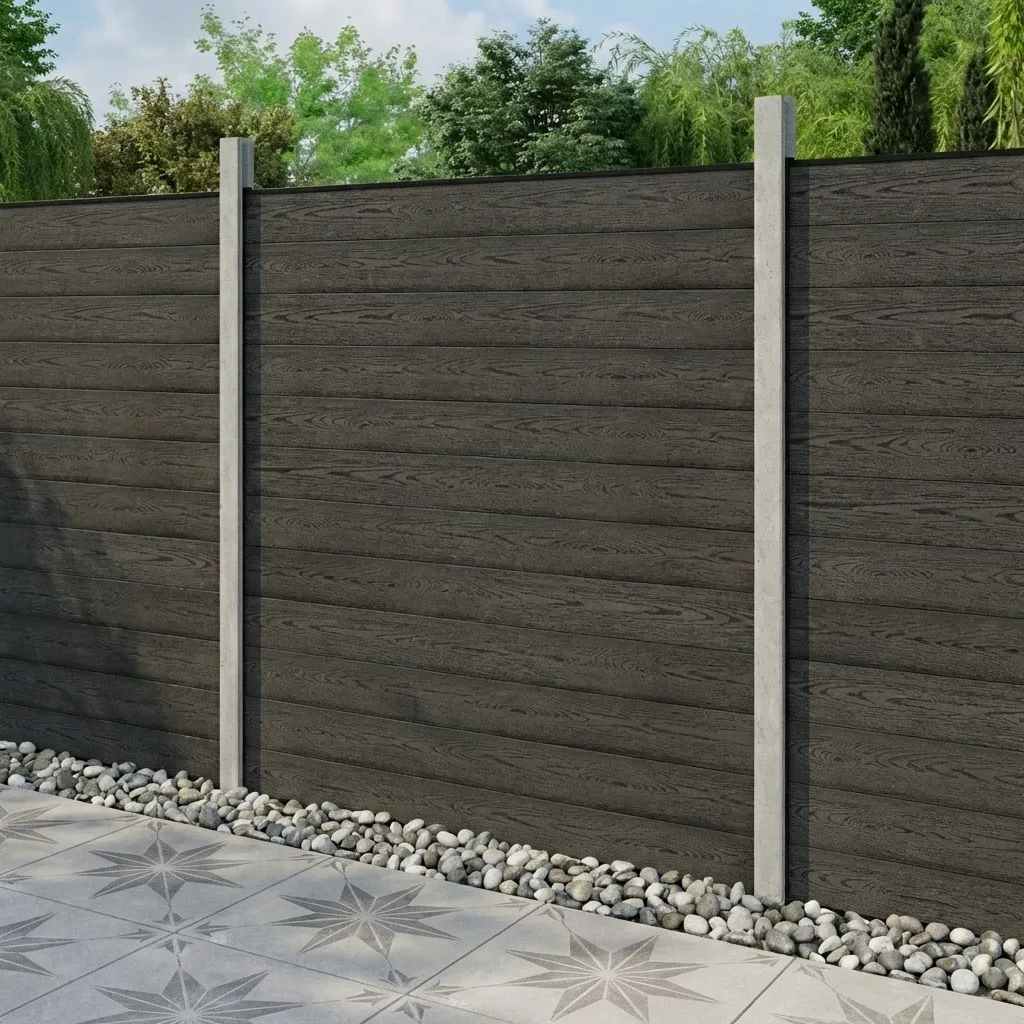
Composite fencing offers low maintenance, long service life, strong weather resistance, and improved privacy, although higher upfront costs and limited repair options remain important considerations. Composite fence panels have become increasingly popular among homeowners because composite materials combine the appearance of timber with the durability of engineered construction materials.
Composite fencing is manufactured from recycled wood fibres and recycled plastic polymers, creating fence panels that resist rot, insect damage, moisture absorption, and many forms of weather-related deterioration. Service lives commonly range from 20 to 30 years, making composite fencing one of the longest-lasting residential fencing options available.
Understanding the advantages and disadvantages of composite fencing helps property owners evaluate long-term value, maintenance requirements, environmental impact, durability, and overall suitability. Factors such as installation costs, weather performance, lifespan, maintenance needs, and material comparisons with timber and vinyl fencing all influence purchasing decisions.
This guide explains the pros and cons of composite fencing, common maintenance requirements, expected lifespan, environmental considerations, cost factors, weather performance, and key tips for choosing the right composite fence for a residential property.
Table of Contents
What Is Composite Fencing?
Composite fencing is a fencing system manufactured from recycled wood fibres and recycled plastic polymers, creating fence panels that combine the appearance of timber with the durability of synthetic materials. Composite fencing resists rot, insect damage, moisture absorption, and weather-related deterioration more effectively than traditional timber fencing.
Composite fencing typically contains 50% to 60% recycled wood fibres and 40% to 50% recycled high-density polyethylene (HDPE) or similar polymers. Manufacturers compress and bond these materials under high pressure to create composite fence boards, composite fence panels, and composite fence slats.
The main components of composite fencing include:
- Recycled wood fibres
- Recycled plastic polymers
- UV-resistant additives
- Colour stabilisers
- Protective surface coatings
Composite fencing serves residential gardens, commercial boundaries, public spaces, and privacy screening applications. Common colours include grey, charcoal, black, brown, and teak-effect finishes.
Unlike traditional timber fencing, composite fencing does not require annual staining, painting, or preservative treatments. Composite fence panels maintain colour consistency for longer periods because UV inhibitors reduce fading caused by sunlight exposure.
A standard composite fencing system consists of:
- Composite Fence Boards: Composite fence boards form the main visible section of the fence. Recycled wood fibres and plastic polymers create durable boards that resist rot, moisture absorption, insect damage, and weather-related deterioration. Composite fence boards are available in multiple colours, textures, and widths to suit different garden and boundary designs.
- Fence Posts: Fence posts provide the primary structural support for composite fencing systems. Composite fence posts, aluminium fence posts, and steel-reinforced posts are commonly used. Properly installed fence posts maintain panel alignment, improve wind resistance, and support long-term fence stability.
- Top And Bottom Rails: Top and bottom rails connect fence posts and support composite fence boards. Rails help distribute weight evenly across the fencing system while improving rigidity and structural strength. Strong rail systems reduce movement and maintain fence alignment during changing weather conditions.
- Post Caps: Post caps fit securely onto the top of fence posts to improve appearance and protect internal post structures from rainwater and debris. Post caps also create a finished appearance while helping extend the lifespan of fence posts.
- Fixing Brackets And Channels: Fixing brackets and channels secure composite fence boards and rails to the supporting framework. High-quality brackets improve structural stability, reduce panel movement, and help accommodate natural expansion and contraction caused by temperature changes.
Composite fencing has become increasingly popular across Britain because composite materials provide longer service life, lower maintenance requirements, and improved resistance to wet weather conditions compared with many conventional timber fencing products.
What Are the Advantages of Composite Fencing?
Composite fencing provides 7 primary advantages: low maintenance, long service life, moisture resistance, rot resistance, colour stability, environmental sustainability, and enhanced privacy. Composite fencing combines recycled wood fibres and plastic polymers to create a durable boundary solution that performs consistently in British weather conditions while requiring less upkeep than traditional timber fencing.
1. Composite Fencing Requires Minimal Maintenance
Low Maintenance Requirements: Composite fencing eliminates routine staining, painting, sanding, and preservative treatments because composite boards resist moisture absorption and surface deterioration. Traditional timber fencing often requires maintenance every 2 to 5 years, whereas composite fencing generally requires occasional cleaning only. Reduced maintenance lowers long-term ownership costs and decreases labour requirements.
The main maintenance benefits are given below:
- Remove Surface Dirt: Remove loose dirt, dust, leaves, pollen, and airborne debris using a soft brush or cloth. Regular cleaning prevents surface build-up and helps maintain a consistent appearance throughout the year.
- Wash Fence Panels: Wash composite fence panels with warm water and a mild detergent to remove mud, bird droppings, algae, and environmental staining. Seasonal cleaning preserves surface appearance and colour consistency.
- Inspect Fixings: Inspect screws, brackets, fence posts, and fixing channels periodically for movement or damage. Routine inspections help maintain fence stability and identify minor issues before larger repairs become necessary.
- Clear Debris From Fence Bases: Clear leaves, weeds, mulch, and organic debris from fence bases to improve airflow around composite fence panels. Reduced moisture accumulation supports long-term fence performance.
2. Composite Fencing Resists Rot and Decay
Superior Rot Resistance: Composite fencing resists fungal decay, wet rot, dry rot, and insect infestation because plastic polymers create a protective barrier against excessive moisture penetration. Prolonged rainfall, damp soil, and humid conditions accelerate deterioration in untreated timber, whereas composite fence panels maintain structural integrity under similar environmental exposure.
The main rot-resistance advantages are given below:
- Prevent Wet Rot: Composite materials absorb less moisture than natural timber, reducing conditions that promote fungal growth and wood decomposition.
- Resist Dry Rot: Composite fence boards do not provide the same organic environment required for dry rot development, improving long-term durability.
- Reduce Insect Damage: Composite fencing resists common wood-boring insects that weaken traditional timber fence panels over time.
- Maintain Structural Strength: Reduced biological degradation helps composite fencing retain strength and stability for longer periods.
3. Composite Fencing Delivers Long Service Life
Extended Lifespan Performance: Composite fencing commonly achieves a service life of 20 to 30 years when installed correctly and maintained according to manufacturer recommendations. Composite materials resist common forms of deterioration that shorten the lifespan of many traditional fencing systems.
The main lifespan benefits are given below:
- Reduce Replacement Frequency: Longer service life decreases the number of fence replacements required over several decades.
- Resist Cracking: Composite boards withstand seasonal expansion and contraction more effectively than many timber alternatives.
- Limit Splitting: Engineered construction reduces the risk of board splitting caused by weather exposure.
- Lower Lifetime Costs: Fewer repairs and replacements contribute to lower cumulative ownership costs.
4. Composite Fencing Withstands British Weather Conditions
Excellent Weather Resistance: Composite fencing performs effectively in rain, frost, snow, humidity, and seasonal temperature fluctuations. Composite boards absorb significantly less moisture than timber, reducing movement and weather-related distortion.
The main weather-resistance benefits are given below:
- Reduce Warping: Low moisture absorption helps fence boards maintain straight profiles during wet weather.
- Limit Swelling: Composite materials expand less when exposed to prolonged rainfall.
- Reduce Cracking: Stable material composition lowers the likelihood of surface cracking during freeze-thaw cycles.
- Maintain Consistent Appearance: Reduced weather-related movement helps preserve alignment across entire fence runs.
5. Composite Fencing Provides Consistent Colour Retention
Enhanced Colour Stability: Composite fencing incorporates UV-resistant additives and colour stabilisers that slow fading caused by prolonged sunlight exposure. Consistent colour retention helps maintain the original appearance of composite fence panels for many years.
The main colour-retention benefits are given below:
- Reduce UV Fading: UV inhibitors slow colour degradation caused by direct sunlight.
- Maintain Uniform Appearance: Consistent colouring creates a cleaner and more cohesive boundary design.
- Eliminate Frequent Repainting: Composite fence panels maintain colour without regular paint applications.
- Preserve Modern Finishes: Popular colours such as anthracite grey, charcoal, black, walnut, and teak-effect finishes retain visual appeal for longer.
6. Composite Fencing Supports Environmental Sustainability
Recycled Material Construction: Composite fencing frequently contains recycled wood fibres and recycled plastic materials recovered from post-consumer and post-industrial waste streams. Material reuse reduces waste generation and lowers demand for virgin raw materials.
The main environmental benefits are given below:
- Reduce Landfill Waste: Recycled plastics and wood fibres remain in productive use rather than entering waste streams.
- Lower Raw Material Demand: Recycled content decreases dependence on newly harvested resources.
- Increase Resource Efficiency: Composite manufacturing maximises the value of recovered materials.
- Extend Product Lifecycles: Longer-lasting fencing systems reduce replacement-related material consumption.
7. Composite Fencing Improves Privacy and Appearance
Improved Privacy Screening: Composite fencing creates dense boundary screening with minimal gaps between fence boards, increasing privacy for gardens, patios, and outdoor living spaces. Uniform construction also enhances visual consistency across the property.
The main privacy and appearance benefits are given below:
- Increase Garden Privacy: Solid composite fence panels restrict visibility from neighbouring properties.
- Create Clean Boundary Lines: Uniform board dimensions improve overall fence appearance.
- Support Modern Landscaping: Contemporary colours complement modern garden and outdoor design trends.
- Maintain Consistent Aesthetics: Reduced warping and fading help preserve a neat appearance throughout the fence lifespan.
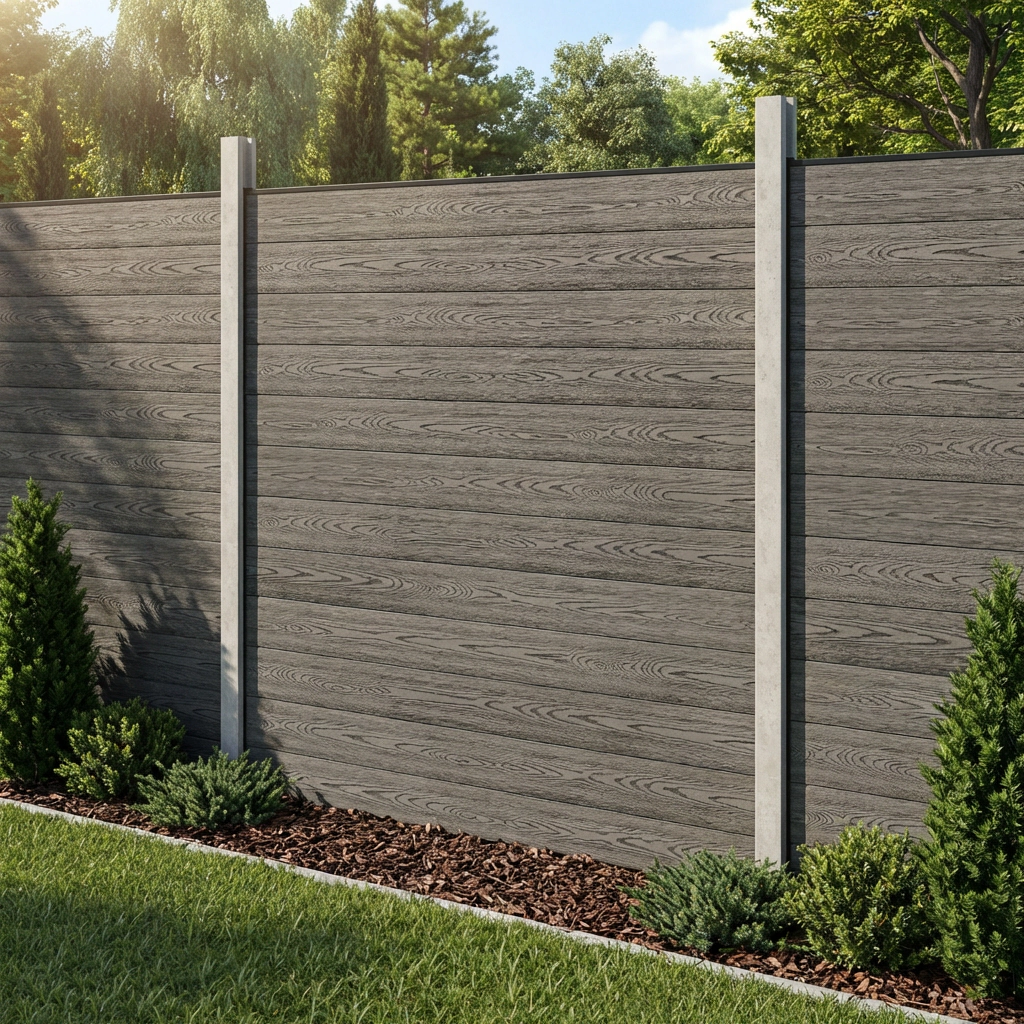
What Are the Disadvantages of Composite Fencing?
Composite fencing has 7 primary disadvantages: higher upfront cost, thermal expansion, potential scratching, limited design flexibility, heavier panel weight, difficult repairs, and colour weathering over time. Composite fencing provides long-term durability, yet several limitations influence installation costs, maintenance requirements, and product selection.
1. Composite Fencing Has a Higher Initial Cost
Higher Upfront Investment: Composite fencing generally costs more than traditional timber fencing because composite manufacturing involves recycled polymers, engineered materials, and specialised production processes. Material costs and installation costs often exceed equivalent timber fence systems during the initial purchase stage.
The main cost-related disadvantages are given below:
- Increase Material Costs: Composite fence panels typically cost more per metre than standard timber fence panels.
- Increase Installation Costs: Heavier materials often require stronger support structures and longer installation times.
- Increase Project Budgets: Large garden boundaries require a greater initial financial investment.
- Extend Cost Recovery Periods: Long-term savings from reduced maintenance offset costs gradually rather than immediately.
2. Composite Fencing Expands and Contracts With Temperature Changes
Thermal Movement Occurs Naturally: Composite fencing expands during warmer temperatures and contracts during colder temperatures because composite materials contain plastic polymers. Incorrect installation may create alignment issues or visible gaps between fence boards.
The main thermal expansion disadvantages are given below:
- Require Expansion Gaps: Installers must leave sufficient spacing between boards and posts.
- Affect Panel Alignment: Temperature fluctuations may alter board positioning slightly throughout the year.
- Increase Installation Precision: Accurate installation becomes more important than with some traditional fencing systems.
- Create Seasonal Movement: Minor dimensional changes occur during temperature extremes.
3. Composite Fencing Can Develop Surface Scratches
Surface Scratches Remain Visible: Composite fence panels resist many forms of weather damage, yet sharp objects, garden equipment, and heavy impacts can mark the surface. Deep scratches are often more noticeable on darker composite colours.
The main scratching disadvantages are given below:
- Show Impact Marks: Garden tools and outdoor furniture may create visible surface damage.
- Highlight Surface Abrasions: Dark grey and black finishes often reveal scratches more clearly.
- Reduce Surface Uniformity: Multiple scratches may affect visual consistency.
- Require Care During Maintenance: Aggressive cleaning tools may damage protective surface layers.
4. Composite Fencing Offers Fewer Customisation Options
Design Flexibility Remains More Limited: Composite fencing is available in multiple colours and finishes, yet timber fencing often provides greater flexibility for bespoke designs, decorative treatments, and custom modifications.
The main design limitations are given below:
- Limit Decorative Alterations: Cutting, carving, and reshaping composite boards is less common.
- Restrict Colour Changes: Composite fence panels are not typically repainted as frequently as timber.
- Reduce Bespoke Design Options: Traditional timber supports a wider range of custom-built fence styles.
- Depend On Manufacturer Ranges: Available styles often remain limited to specific product collections.
5. Composite Fencing Is Heavier Than Timber Fencing
Greater Material Weight Increases Handling Requirements: Composite fence boards contain dense material blends that often weigh more than comparable timber boards. Additional weight affects transportation, storage, and installation.
The main weight-related disadvantages are given below:
- Increase Handling Effort: Larger fence panels often require two-person lifting.
- Require Stronger Posts: Additional weight places greater load on fence posts and fixings.
- Increase Transport Costs: Heavier materials may increase delivery and logistics expenses.
- Extend Installation Time: Additional handling requirements may slow installation progress.
6. Composite Fencing Repairs Can Be More Difficult
Individual Board Repairs Are Less Straightforward: Composite fencing systems frequently use interlocking components and manufacturer-specific profiles. Damage to a single board may require replacement parts from the original supplier.
The main repair-related disadvantages are given below:
- Require Matching Components: Replacement boards must often match the original profile and colour.
- Increase Repair Costs: Individual component replacement may cost more than timber repairs.
- Depend On Product Availability: Older fencing ranges may become discontinued.
- Complicate Local Repairs: Surface filling and refinishing options remain more limited than timber.
7. Composite Fencing May Fade Over Time
Colour Weathering Occurs Gradually: Modern composite fencing contains UV-resistant additives, yet prolonged exposure to sunlight causes some degree of colour change over many years. Colour fading generally occurs at a slower rate than untreated timber.
The main colour-weathering disadvantages are given below:
- Reduce Original Colour Intensity: Surface colours gradually lighten through UV exposure.
- Create Minor Shade Variations: Different sunlight exposure levels may affect fence sections differently.
- Affect Older Installations: Long-term weather exposure increases visible colour change.
- Limit Colour Restoration Options: Factory-applied finishes are not easily restored through painting or staining.
How Does Composite Fencing Compare With Wood Fencing?
Composite fencing offers lower maintenance, greater resistance to rot, and longer service life, whereas wood fencing provides lower upfront costs, easier repairs, and greater design flexibility. Material selection depends on budget, maintenance expectations, lifespan requirements, and aesthetic preferences.
The table below compares the main differences between composite fencing and wood fencing.
| Feature | Composite Fencing | Wood Fencing |
| Average Lifespan | 20–30 years | 10–15 years |
| Maintenance Requirements | Low | Moderate to High |
| Rot Resistance | High | Low |
| Insect Resistance | High | Low |
| Painting And Staining | Not Required | Required Every 2–5 Years |
| Moisture Resistance | High | Moderate |
| Initial Cost | Higher | Lower |
| Repair Simplicity | Moderate | Easy |
| Design Flexibility | Moderate | High |

How Does Composite Fencing Compare With Vinyl Fencing?
Composite fencing provides a more natural appearance, greater rigidity, and higher recycled material content, whereas vinyl fencing offers lower maintenance, lighter weight, and lower purchase costs in many installations. Material selection depends on appearance preferences, durability requirements, environmental considerations, and budget.
The table below compares the main differences between composite fencing and vinyl fencing.
| Feature | Composite Fencing | Vinyl Fencing |
| Average Lifespan | 20–30 years | 20–30 years |
| Appearance | Natural wood-effect finish | Smooth synthetic finish |
| Maintenance Requirements | Low | Very Low |
| Rot Resistance | High | High |
| Insect Resistance | High | High |
| Structural Rigidity | High | Moderate |
| Initial Cost | Higher | Moderate |
| Weight | Heavier | Lighter |
| Environmental Impact | Often Contains Recycled Materials | Primarily Virgin PVC |
| Colour Options | Wood-effect and solid colours | Solid colours |
How Long Does Composite Fencing Last?
Composite fencing typically lasts 20 to 30 years because composite materials resist rot, moisture absorption, insect damage, and weather-related deterioration more effectively than traditional timber fencing. Actual lifespan depends on product quality, installation standards, environmental exposure, and maintenance frequency.
The main factors affecting composite fencing lifespan are given below:
- Material Quality: Premium composite fence boards contain higher-density material blends, UV stabilisers, and protective additives that improve long-term durability and structural performance.
- Installation Quality: Correct post spacing, secure fixings, and manufacturer-approved installation methods reduce structural stress and premature fence failure.
- Weather Exposure: Composite fencing performs well in rain, frost, humidity, and seasonal temperature fluctuations, although extreme environmental exposure may accelerate surface weathering.
- Drainage Conditions: Effective drainage around fence posts and panel bases prevents standing water accumulation and supports long-term fence stability.
- Maintenance Standards: Routine cleaning removes dirt, algae, and organic debris that may affect appearance and surface condition over time.
Is Composite Fencing Environmentally Friendly?
Composite fencing is considered environmentally friendly because many composite fence panels contain recycled wood fibres and recycled plastic materials, reducing landfill waste and demand for virgin raw materials. Longer product lifespan further reduces material consumption by decreasing replacement frequency compared with many traditional fencing materials.
Composite fencing supports sustainable construction practices through material reuse and extended durability. Many manufacturers use post-consumer plastics and reclaimed wood fibres that would otherwise enter waste streams. Material recycling reduces pressure on natural resources while creating durable fencing products suitable for residential and commercial applications.
The main environmental benefits of composite fencing are given below:
- Reduce Landfill Waste: Composite fencing often incorporates recycled plastic packaging, recycled polyethylene, and reclaimed wood fibres. Material recovery diverts substantial volumes of waste from landfill sites and supports circular material use.
- Lower Demand For Virgin Timber: Recycled wood content reduces dependence on newly harvested timber. Reduced timber consumption helps preserve forest resources and decreases pressure on commercial forestry operations.
- Increase Material Lifespan: Composite fencing commonly lasts 20 to 30 years. Longer service life reduces manufacturing, transportation, and disposal requirements associated with frequent fence replacement.
- Reduce Chemical Treatments: Composite fence panels do not require regular staining, painting, or wood preservatives. Reduced use of chemical coatings lowers environmental impact throughout the product lifecycle.
- Support Resource Efficiency: Composite manufacturing converts waste materials into long-lasting construction products. Resource efficiency improves when recycled plastics and reclaimed wood fibres remain in productive use for decades.
- Decrease Replacement Waste: Longer-lasting fencing systems generate less construction waste than fencing materials requiring more frequent replacement. Reduced disposal volumes support sustainable waste-management practices.
- Maintain Long-Term Performance: Composite fencing resists rot, insect damage, and moisture-related deterioration. Greater durability reduces the environmental impact associated with repairs, replacements, and material consumption.
What Maintenance Does Composite Fencing Require?
Composite fencing requires minimal maintenance because composite materials resist rot, moisture absorption, insect damage, and weather-related deterioration. Basic maintenance focuses on cleaning and routine inspections rather than painting, staining, or sealing.
The main composite fencing maintenance requirements are given below:
- Wash Fence Panels: Clean composite fence panels with warm water and mild detergent 1 to 2 times per year to remove dirt, algae, pollen, and surface stains.
- Inspect Posts And Fixings: Check fence posts, brackets, screws, and channels periodically to ensure structural stability and secure panel connections.
- Clear Debris From Fence Bases: Remove leaves, weeds, soil build-up, and organic debris from fence bases to improve airflow and reduce moisture accumulation.
- Remove Surface Stains Promptly: Clean bird droppings, food stains, and mud deposits quickly to maintain a consistent fence appearance.
- Maintain Drainage Around Posts: Ensure water drains freely around fence posts and panel bases to support long-term structural performance.
What Maintenance Does Composite Fencing Not Require?
Composite fencing does not require painting, staining, sealing, sanding, or preservative treatments because composite boards resist moisture, rot, and colour loss more effectively than timber fencing.
The maintenance tasks eliminated by composite fencing are given below:
- Eliminate Painting: Factory-applied colours remain intact without regular repainting.
- Eliminate Staining: Composite boards do not require stains to protect against weather exposure.
- Eliminate Sealing: Protective sealants are unnecessary because composite materials resist moisture penetration.
- Eliminate Preservative Treatments: Composite fencing resists rot and insect damage without chemical preservatives.
What Are the Common Problems With Composite Fencing?
Composite fencing may experience thermal expansion, surface scratching, colour fading, staining, mould growth, panel movement, and installation-related issues. Most composite fencing problems develop because of incorrect installation, poor drainage, or prolonged environmental exposure rather than material failure.
The most common composite fencing problems are given below:
- Thermal Expansion And Contraction: Composite fence boards expand during warm weather and contract during colder temperatures. Insufficient expansion gaps may cause board movement, misalignment, or pressure on fence posts.
- Surface Scratching: Sharp garden tools, outdoor furniture, bicycles, and heavy impacts may leave visible scratches on composite fence panels. Dark-coloured composite fencing often shows surface abrasions more clearly.
- Colour Fading: Prolonged exposure to ultraviolet (UV) radiation gradually lightens fence colours over time. Modern composite fencing contains UV stabilisers, although some colour weathering remains normal.
- Surface Staining: Mud, grease, bird droppings, tree sap, and food spills may leave temporary surface stains if contaminants remain on fence panels for extended periods.
- Mould And Algae Growth: Damp and shaded garden areas may encourage mould, mildew, or algae growth on fence surfaces. Regular cleaning reduces biological build-up and maintains appearance.
- Panel Movement: Incorrect installation or inadequate support structures may allow fence boards to shift, bow, or become uneven over time.
- Drainage Issues Around Posts: Standing water around fence posts may affect supporting structures and reduce long-term installation stability.
- Impact Damage: Composite fencing resists everyday wear, although strong impacts from vehicles, heavy equipment, or falling objects may crack or damage fence boards.
How Can Homeowners Prevent Composite Fencing Problems?
Most composite fencing problems are preventable through correct installation, routine cleaning, effective drainage, and periodic inspections. Preventative maintenance helps preserve appearance and structural performance throughout the fence lifespan.
The main prevention methods are given below:
- Allow Expansion Gaps: Maintain manufacturer-recommended spacing between fence boards and posts.
- Clean Fence Panels Regularly: Remove dirt, algae, mould, and surface contaminants before accumulation occurs.
- Inspect Structural Components: Check fence posts, brackets, and fixings periodically for movement or wear.
- Maintain Good Drainage: Prevent standing water from collecting around fence posts and panel bases.
- Protect Against Heavy Impacts: Avoid contact from garden machinery, vehicles, and heavy objects.
What Factors Affect Composite Fencing Costs?
Composite fencing costs depend on 7 main factors: material quality, fence height, fence length, board style, post materials, installation complexity, and labour costs. Project specifications, site conditions, and product selection create significant variations in the total cost of composite fencing installations.
The main factors affecting composite fencing costs are given below:
- Composite Material Quality: Premium composite fencing contains higher-density material blends, enhanced UV protection, and improved surface finishes. Higher-quality composite boards generally increase material costs but often provide greater durability and longer service life.
- Fence Height: Taller composite fencing requires more boards, stronger support structures, and additional installation materials. A 1.8-metre fence typically costs more than a 1.2-metre fence because of increased material requirements.
- Fence Length: Longer fence runs require more composite boards, posts, rails, fixings, and labour. Total project costs increase as boundary length increases.
- Board Style And Finish: Wood-effect finishes, embossed textures, decorative panels, and premium colour options often cost more than standard composite fence boards.
- Fence Post Materials: Aluminium fence posts generally cost more than composite or timber alternatives. Post selection influences both material costs and long-term durability.
- Installation Complexity: Sloping gardens, uneven ground, restricted access, and existing fence removal increase installation time and labour requirements.
- Labour Costs: Installation rates vary according to location, contractor experience, project size, and site accessibility. Labour commonly represents a significant portion of total fencing costs.

Is Composite Fencing Suitable for All Weather Conditions?
Composite fencing performs effectively in rain, frost, snow, humidity, wind, and seasonal temperature fluctuations because composite materials resist moisture absorption, rot, and weather-related deterioration. Composite fencing remains one of the most weather-resistant fencing options for residential gardens and commercial boundaries.
Composite fencing combines recycled wood fibres and plastic polymers to create a durable structure that withstands year-round outdoor exposure. Reduced moisture absorption helps maintain structural stability during changing weather conditions.
The main weather-resistance benefits of composite fencing are given below:
- Resist Heavy Rainfall: Composite fence panels absorb less moisture than timber fencing, reducing the risk of swelling, warping, and water-related damage during prolonged wet weather.
- Withstand Frost And Snow: Composite materials remain stable during freezing conditions and resist cracking caused by repeated freeze-thaw cycles.
- Perform In Humid Conditions: High humidity levels do not promote rot, fungal decay, or insect infestation in the same way as natural timber fencing.
- Maintain Stability During Temperature Changes: Composite fence boards tolerate seasonal temperature fluctuations while maintaining structural performance when installed with appropriate expansion gaps.
- Resist Wind Exposure: Correctly installed composite fencing provides strong boundary protection and maintains panel stability during windy conditions.
- Prevent Rot And Decay: Composite materials resist wet rot, dry rot, and biological deterioration caused by prolonged outdoor exposure.
How Do You Choose the Right Composite Fence?
Choosing the right composite fence depends on material quality, fence height, colour, board design, post materials, warranty coverage, and intended use. Careful product selection improves durability, appearance, privacy, and long-term value.
The main tips for choosing the right composite fence are given below:
- Choose High-Quality Composite Materials: Select composite fencing with high-density board construction, UV stabilisers, and moisture-resistant additives. Premium composite materials generally provide better durability, colour retention, and weather resistance.
- Select The Appropriate Fence Height: Choose fence height based on privacy requirements, boundary regulations, and garden design. Heights of 1.8 metres are commonly used for residential privacy fencing.
- Match Fence Colours To Property Design: Grey, anthracite, black, brown, and wood-effect finishes create different visual effects. Colour selection should complement paving, cladding, decking, and landscaping features.
- Consider Privacy Requirements: Solid composite fence panels provide greater privacy than decorative or slatted designs. Garden layout and neighbouring properties often influence privacy needs.
- Choose Durable Fence Posts: Aluminium fence posts generally offer greater strength and weather resistance than timber alternatives. Strong support structures improve fence stability and lifespan.
- Review Warranty Coverage: Longer product warranties often indicate greater manufacturer confidence in material quality and long-term performance.
- Check Weather Resistance Ratings: Composite fencing designed for outdoor use should provide resistance to moisture, frost, ultraviolet exposure, and seasonal temperature fluctuations.
- Evaluate Maintenance Requirements: Low-maintenance composite fencing reduces long-term cleaning, repair, and treatment requirements compared with traditional timber fencing.
What Types of Composite Fencing Are Available?
Composite fencing is available in several formats, including composite fence boards, composite fence panels, privacy fencing systems, garden fencing solutions, and boundary fencing designs. Product selection depends on privacy requirements, property style, installation preferences, and structural performance requirements.
The main types of composite fencing are given below:
- Composite Fence Boards: Individual composite boards slot into fence posts to create custom fence runs. Composite fence boards provide flexibility for height adjustments and panel replacement.
- Composite Fence Panels: Pre-assembled composite fence panels simplify installation and create a uniform appearance across residential and commercial boundaries.
- Composite Fence Posts: Composite fence posts provide a colour-matched appearance and consistent material finish throughout the fencing system.
- Aluminium Fence Posts: Aluminium fence posts offer increased structural strength, corrosion resistance, and long-term stability. Many premium composite fencing systems use aluminium support posts.
- Privacy Fencing: Solid composite fence panels with minimal gaps create effective privacy screening for gardens, patios, and outdoor living spaces.
- Garden Fencing: Composite garden fencing combines decorative appearance with weather resistance, making composite materials suitable for modern and traditional landscape designs.
- Boundary Fencing: Composite boundary fencing defines property lines while providing security, durability, and low-maintenance performance.
Conclusion
Composite fencing offers a durable, low-maintenance, and weather-resistant alternative to traditional fencing materials. Composite fence panels resist rot, insect damage, moisture absorption, and many forms of weather-related deterioration while providing service lives that commonly range from 20 to 30 years.
Composite fencing delivers several advantages, including reduced maintenance requirements, strong weather resistance, improved privacy, and long-term durability. Higher upfront costs, thermal expansion, and limited repair options remain important considerations during product selection. Material quality, installation standards, and environmental conditions influence long-term performance and overall value.
Property owners seeking a fencing solution with minimal upkeep and long service life often choose composite fencing because composite materials maintain structural integrity and visual appeal more effectively than many traditional alternatives. Careful evaluation of budget, appearance preferences, privacy requirements, and installation conditions helps determine whether composite fencing represents the most suitable option for a particular property.
