
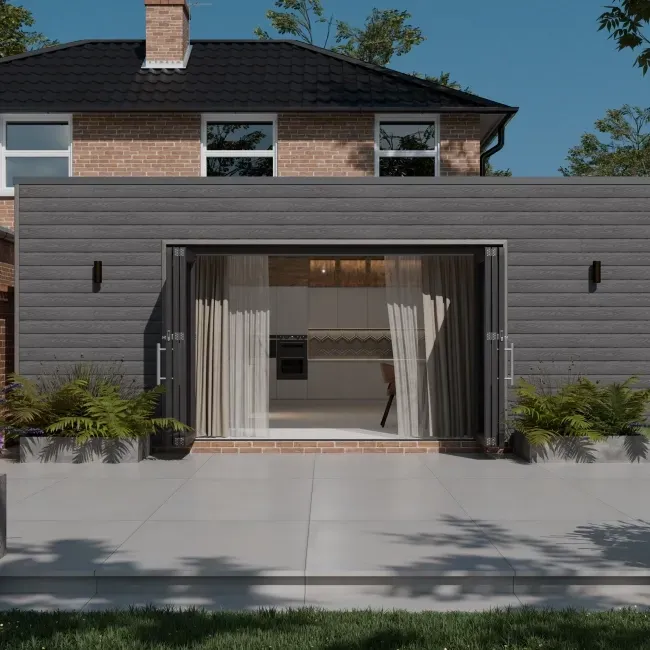
House cladding colour ideas help homeowners choose an exterior colour that works with the whole property, not just the wall surface. The right cladding colour should connect with the roof, windows, front door, brickwork, outdoor tiles, paving, garden, and surrounding homes.
A good house cladding colour can make a home look brighter, warmer, wider, more modern, or more settled in its setting. White and cream cladding can brighten small or shaded homes. Grey and charcoal cladding can add a clean modern finish. Sage green, olive green, natural timber, and stone beige cladding can help the outside of a home feel closer to the garden and landscape.
Colour choice also depends on the cladding material and profile. Timber cladding, composite cladding, stone cladding, brick cladding, exterior tile cladding, and shiplap panels all reflect colour in different ways. A smooth surface can make a colour look sharper, while a textured or board-style finish can add shadow, depth, and warmth.
This guide explains the best house cladding colour ideas for UK homes, including colour combinations, property styles, exterior tiles, roof colours, maintenance, planning checks, and common mistakes. The aim is simple: to help you choose a house cladding colour that looks good now, works with the rest of the home, and stays easy to live with over time.
Table of Contents
What Are The Best House Cladding Colour Ideas?
The best house cladding colour ideas are white, cream, light grey, charcoal, black, sage green, olive green, natural timber, brick red, and stone beige. These colours work well with common UK homes, roof tiles, windows, doors, gardens, and outdoor tiles.
House cladding colour works best when the colour matches the main parts of the home. The roof, brickwork, windows, front door, paving, and garden all change how the cladding colour looks.
- White House Cladding: White house cladding makes a home look bright, clean, and fresh. White works well with black windows, grey roof tiles, pale outdoor tiles, and modern garden spaces. White shows dirt faster than grey or beige, so white cladding suits homes away from muddy paths and busy roads.
- Cream And Off-White House Cladding: Cream house cladding gives a softer and warmer look than bright white. Cream works well with red brick, clay roof tiles, oak doors, beige paving, and older homes. Cream is a good choice when pure white feels too sharp.
- Light Grey House Cladding : Light grey house cladding gives a simple modern look. Light grey works well with slate roofs, black doors, white walls, grey windows, and porcelain paving. Light grey also hides dust better than white.
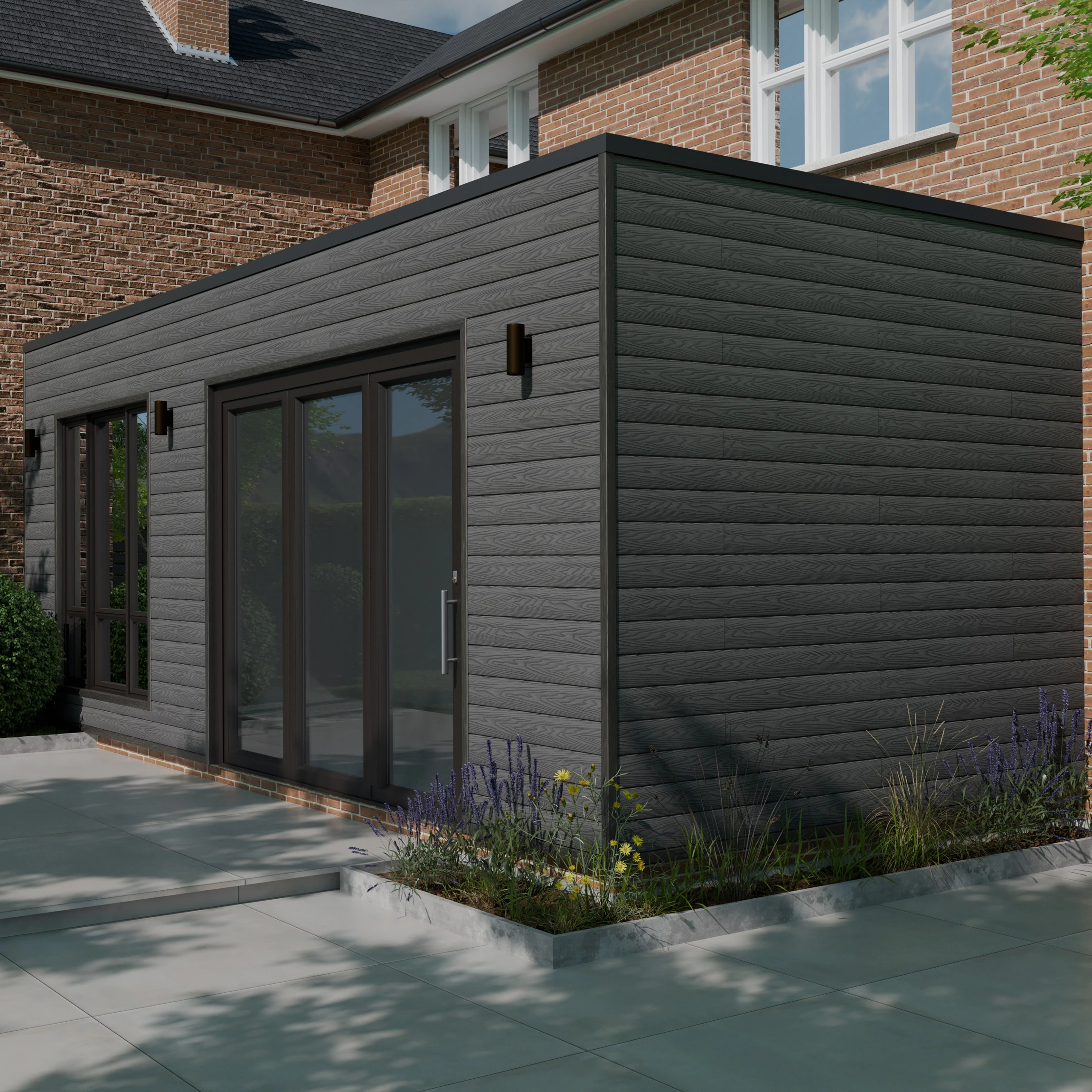
- Charcoal And Anthracite House Cladding: Charcoal house cladding gives a smart and bold look without feeling as dark as black. Charcoal works well on extensions, porches, gables, garages, and feature walls. Charcoal pairs well with pale render, timber details, black windows, and stone effect outdoor tiles.
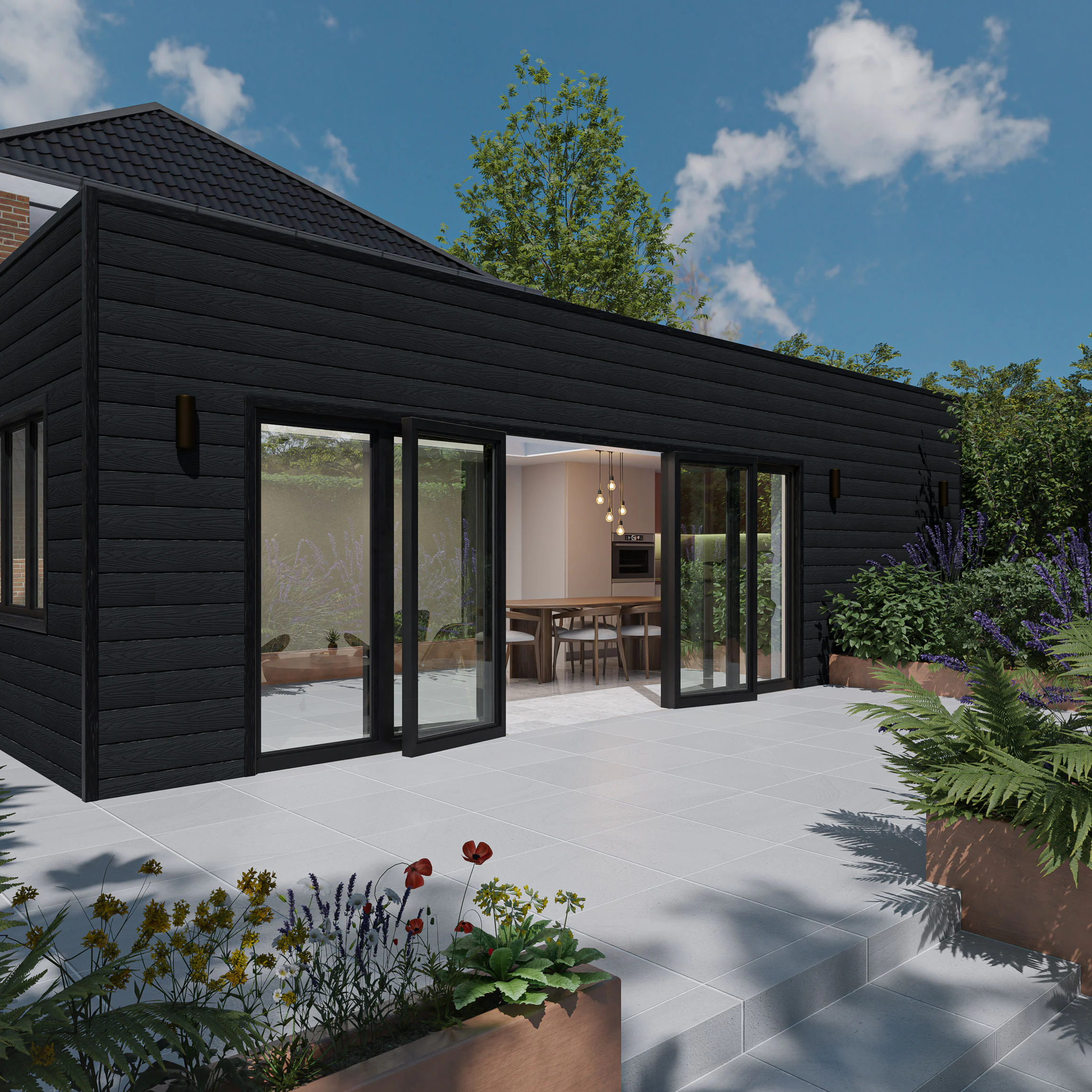
- Black House Cladding: Black house cladding gives a strong modern look. Black works well with white walls, pale stone, timber details, large windows, and green gardens. Black shows dust, pollen, and water marks faster than mid-tone colours, so black works best on smaller feature areas.
- Sage Green House Cladding: Sage green house cladding gives a calm garden-style look. Sage green works well with lawns, hedges, trees, cream walls, oak doors, limestone effect tiles, and country-style homes. Sage green is softer than bright green and easier to use on a house exterior.
- Olive Green House Cladding: Olive green house cladding gives a deeper natural look. Olive green works well with black windows, dark roof tiles, timber details, gravel paths, and garden buildings. Olive green suits homes near trees, fields, or large gardens.
- Natural Timber Colour Cladding: Natural timber colour cladding adds warmth to a house. Oak, cedar, larch, walnut, and weathered wood colours work well with white walls, black windows, grey roofs, and stone effect tiles. Timber colours are useful for porches, garden rooms, and rear extensions. Natural timber colours also suit shiplap panels because the board lines add texture to porches, garden rooms, rear extensions, and upper-storey cladding.
- Brick Red House Cladding: Brick red house cladding gives a traditional look. Brick red works well with UK terraces, Victorian homes, clay roof tiles, black front doors, cream trim, and quarry-style outdoor tiles. Brick red is a good choice when the home already has red or brown brick.
- Stone Beige And Stone Colour Cladding: Stone beige house cladding gives a soft natural look. Stone beige works well with cottages, bungalows, rural homes, sandstone paving, oak doors, gravel driveways, and warm roof colours. Beige hides marks better than white and feels calmer than dark colours.
Which House Cladding Colours Suit Different Property Styles?
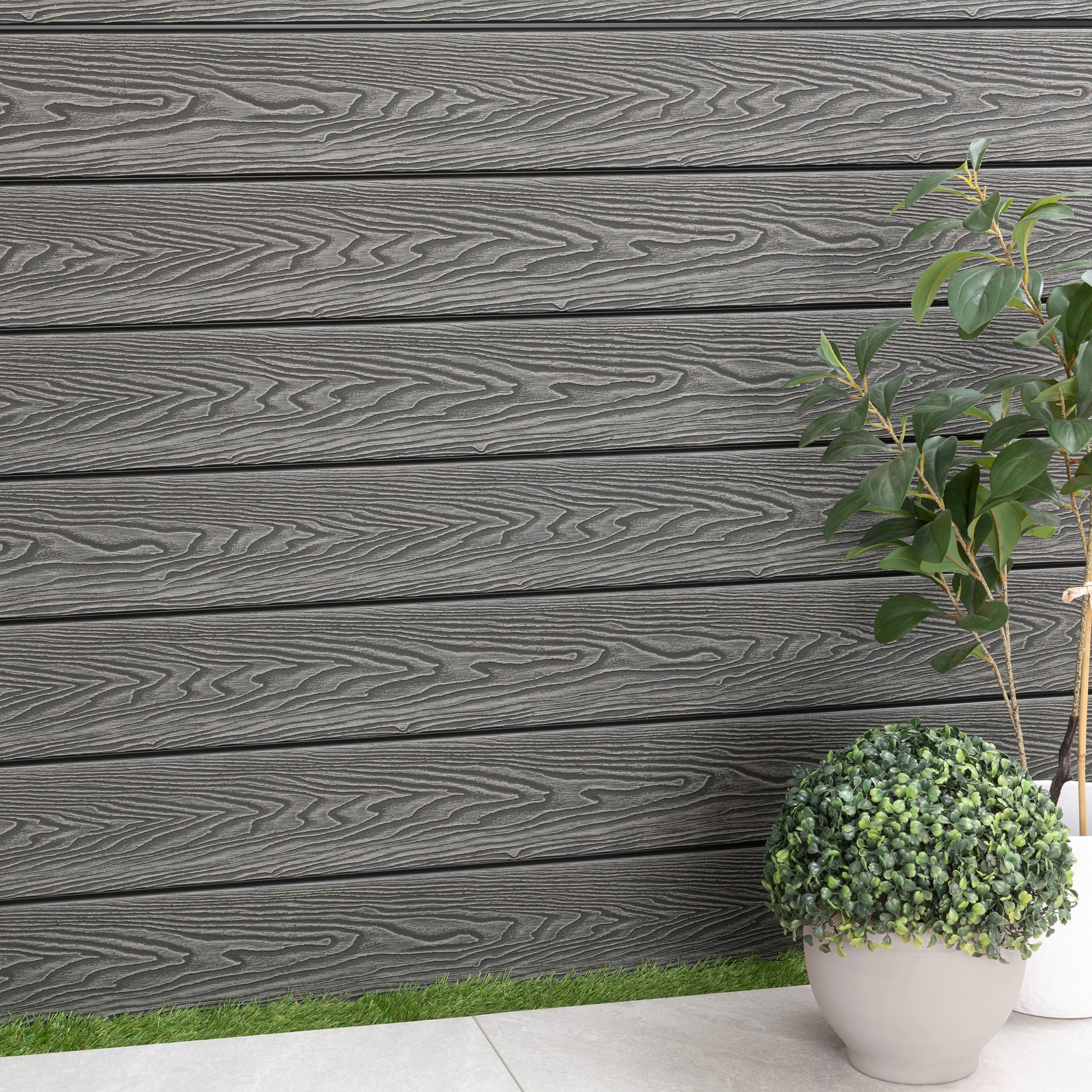
Different house cladding colours suit different property styles because every home has a different shape, roof colour, brick colour, window style, and garden setting. Modern homes suit grey, black, and timber, while traditional homes suit cream, brick red, sage green, and stone beige.
The house cladding colours below show which shades work best with common UK property styles. Each colour idea connects the cladding with the home’s age, roof, windows, walls, and outdoor space.
- Modern houses: Grey, black, charcoal, white, and natural timber cladding suit modern houses. These colours work well with large windows, flat roofs, clean walls, and simple garden designs. Grey and black give a sharp look. Timber adds warmth. Horizontal shiplap panels can add neat shadow lines to a modern exterior without making the wall look busy.
- Victorian and Edwardian houses: Cream, brick red, slate grey, soft green, and off-white cladding suit Victorian and Edwardian houses. These homes often have red brick, bay windows, tall roofs, and decorative details. Softer cladding colours protect the older look of the house.
- 1930s semi-detached houses: Cream, light grey, sage green, stone beige, and timber cladding suit 1930s semi-detached houses. These colours work well with bay windows, tiled roofs, front gardens, and brick or render walls. Light colours keep the house balanced beside the neighbouring home.
- Bungalows: Cream, light grey, sage green, timber, and stone beige cladding suit bungalows. Bungalows have lower walls and wider rooflines, so lighter cladding colours make the home feel brighter and less heavy. Dark colours work better on small areas, such as gables or porches.
- Cottages: Cream, stone beige, sage green, olive green, and weathered timber cladding suit cottages. These colours work well with clay roof tiles, small windows, garden paths, hedges, and natural stone. Soft natural colours keep the cottage exterior calm and friendly. Soft-coloured shiplap panels can suit cottage-style porches, garden rooms, and rear walls when the colour matches clay roof tiles and planting.
- New builds: White, light grey, anthracite, black, stone beige, and timber cladding suit new build homes. These colours work well with simple shapes, fresh brickwork, grey windows, clean driveways, and modern outdoor tiles. Timber or stone colours stop a new build from looking too plain.
- Garden rooms and outbuildings: Black, olive green, sage green, cedar, and grey cladding suit garden rooms and outbuildings. Dark green and black help the building blend into trees and plants. Pale grey and timber make small garden rooms look brighter and more open. Shiplap panels are a natural fit here because the board profile suits timber-look garden buildings and simple outdoor structures.
Which House Cladding Colour Combinations Work Best?
The best house cladding colour combinations use 2 or 3 exterior colours that work together across the walls, roof, windows, doors, paving, and garden. Grey and timber, black and white, cream and sage, brick red and charcoal, and stone beige and bronze suit many UK homes.
Good house cladding colour combinations make the outside of a home feel balanced. One colour usually covers the main cladding area. A second colour adds contrast through render, brick, stone, tiles, or timber. A third colour can appear on the front door, window frames, lights, trims, or planters.
The house cladding colour combinations below show simple ways to match cladding with common home features.
- Grey And Timber: Grey and timber house cladding creates a modern but warm exterior. Grey keeps the home looking neat and simple. Timber adds a natural feel. This colour combination works well with black window frames, slate roof tiles, porcelain paving, garden rooms, and rear extensions.
- Black And White: Black and white house cladding creates a clean and bold exterior. White keeps the house bright. Black adds shape around windows, doors, gables, or feature walls. This colour combination works well with large glass doors, pale outdoor tiles, black lighting, and simple garden spaces.
- Cream And Sage Green: Cream and sage green house cladding creates a soft and natural exterior. Cream adds warmth. Sage green links the home with lawns, hedges, trees, and planting. This colour combination suits cottages, bungalows, porches, rural homes, and traditional front elevations.
- Brick Red And Charcoal: Brick red and charcoal house cladding creates a classic exterior with a modern edge. Brick red keeps the home close to traditional UK brickwork. Charcoal adds a sharper finish. This colour combination works well with clay roof tiles, black front doors, cream trims, and quarry-style outdoor tiles.
- Stone Beige And Bronze: Stone beige and bronze house cladding creates a calm and natural exterior. Stone beige keeps the walls soft. Bronze adds warmth through lights, handles, trims, or planters. This colour combination suits detached homes, rural homes, garden-facing walls, gravel paths, and limestone-style paving.
- White And Oak: White and oak house cladding creates a bright and welcoming exterior. White makes the house look fresh. Oak adds warmth and stops the outside from feeling plain. This colour combination works well with coastal homes, garden rooms, pale paving, grey roofs, and black window frames.
- Olive Green And Black: Olive green and black house cladding creates a deep garden-led exterior. Olive green blends with trees, lawns, and planting. Black adds a modern frame around doors, windows, and rooflines. This colour combination suits garden rooms, rear extensions, woodland homes, and homes with dark roof tiles.
How Do You Choose A House Cladding Colour?
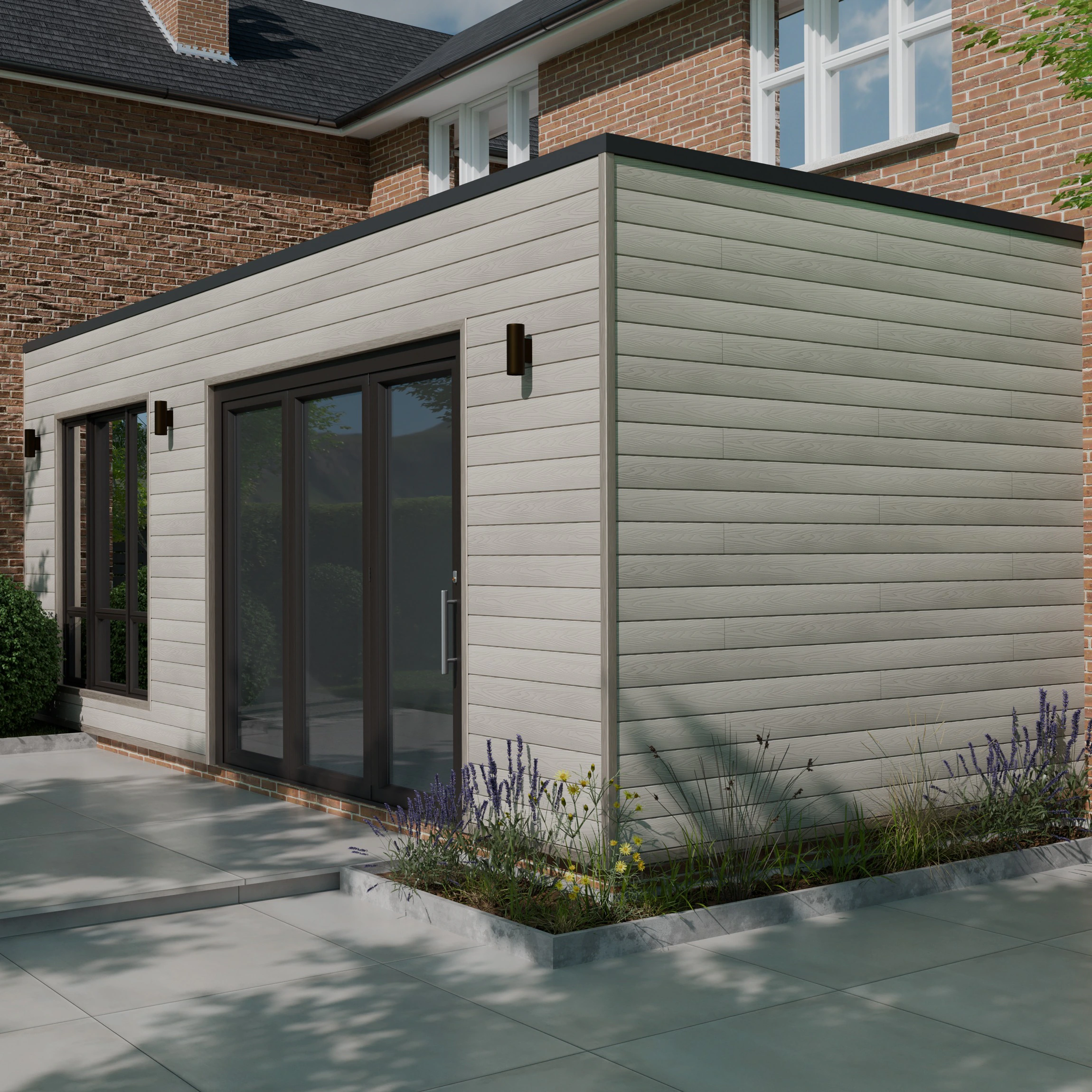
Choose a house cladding colour by matching the colour with the roof, windows, front door, brickwork, garden, street, and outdoor tiles. The best colour feels balanced with the whole home, not just the cladding on its own.
A house cladding colour looks different on every home. A colour that looks smart on a modern extension can look too dark on a small bungalow. A colour that looks soft beside a garden can look flat beside a busy road. The points below help homeowners choose a house cladding colour with more confidence.
- Match The Roof Colour: Roof colour is one of the biggest parts of a home exterior. Grey roof tiles work well with white, light grey, charcoal, black, sage green, and timber cladding. Clay roof tiles work well with cream, brick red, sage green, stone beige, and warm timber cladding.
- Match The Window Frame Colour: Window frames help set the cladding colour direction. Black or anthracite window frames work well with white, grey, black, timber, and stone beige cladding. White window frames work well with cream, sage green, light grey, brick red, and soft stone cladding.
- Match The Front Door Colour: A front door can make the cladding colour feel complete. Black doors work well with white, cream, grey, stone beige, and brick red cladding. Oak doors work well with charcoal, sage green, white, cream, and natural timber cladding.
- Match The Existing Brickwork: Existing brickwork gives a strong colour clue. Red brick works well with cream, charcoal, black, sage green, and timber cladding. Yellow brick works well with white, sage green, olive green, stone beige, and light grey cladding.
- Match The Garden Setting: Garden colours change how cladding looks. Homes near lawns, hedges, and trees suit sage green, olive green, timber, cream, and stone beige cladding. Homes with modern patios suit grey, black, white, charcoal, and slate-style cladding colours.
- Match The Street Style: Street-facing cladding should look natural beside nearby homes. Terraced and semi-detached houses usually need softer colours, such as cream, light grey, brick red, sage green, or stone beige. Detached homes can carry stronger colours, such as black, charcoal, and olive green.
- Match The Outdoor Tiles And Paving: Outdoor tiles and paving sit close to the cladding, so the colours should work together. Grey paving works well with white, charcoal, black, and timber cladding. Beige paving works well with cream, sage green, stone beige, and brick red cladding.
- Test A Colour Sample Outside: A cladding colour can look different in morning light, rain, shade, and bright sun. Place a sample beside the roof, brickwork, window frame, front door, and paving before choosing the final colour. A real sample gives a safer choice than a screen image.
- Match The Cladding Profile: Shiplap panels can make a colour look more textured because the board edges create shadow lines. Pale shiplap panels can make a wall feel lighter, while black or charcoal shiplap panels can make a small feature wall feel sharper.
Which House Cladding Colours Make A House Look Bigger?
Light house cladding colours make a house look bigger because pale colours reflect more daylight and make outside walls feel wider, brighter, and more open. White, cream, light grey, pale stone, and soft beige are the best cladding colours for a bigger-looking home.
A house can look smaller when the cladding colour feels too dark or too heavy. Lighter cladding colours work well on small homes, narrow front walls, bungalows, side returns, and shaded garden-facing walls. The house cladding colours below help create a brighter and more open exterior.
- White Cladding: White house cladding makes a home look wider, cleaner, and brighter. White works well on small homes, coastal houses, shaded walls, and garden rooms. White cladding looks best with black window frames, pale outdoor tiles, grey roof tiles, and simple planting.
- Cream Cladding: Cream house cladding makes a home look bigger without looking too bright. Cream has a softer look than pure white. Cream works well with red brick, clay roof tiles, oak doors, beige paving, and traditional houses.
- Light Grey Cladding: Light grey house cladding makes a home look modern and more open. Light grey is softer than white and lighter than charcoal. Light grey works well with slate roofs, white walls, grey windows, black doors, and porcelain paving.
- Pale Stone Cladding: Pale stone house cladding gives a soft natural look and helps a home feel larger. Pale stone colours work well with cottages, bungalows, rural homes, gravel paths, cream render, and limestone-style outdoor tiles.
- Soft Beige Cladding: Soft beige house cladding makes outside walls feel calm, warm, and open. Beige hides marks better than white and feels lighter than brown or black. Soft beige works well with warm roof tiles, timber doors, garden planting, and sandstone paving.
- Horizontal Shiplap Panels: Horizontal shiplap panels can make a house look wider because the board lines guide the eye across the wall. White, cream, light grey, and pale stone colours work best when the goal is a wider-looking exterior.
- Low-Contrast Trim: Low-contrast trim helps a house look bigger because the walls, edges, and corners blend together. White cladding with white trim, cream cladding with cream trim, or light grey cladding with pale grey trim creates a smoother and wider-looking exterior.
Which House Cladding Colours Are Easiest To Maintain?
Mid-tone house cladding colours are easiest to maintain because they hide dust, rain marks, algae, pollen, and road dirt better than very pale or very dark colours. Light grey, stone beige, taupe, sage green, weathered timber, brick red, and mid-grey are practical choices for busy homes.
House cladding colours stay cleaner-looking when the shade sits between light and dark. Bright white cladding often shows dirt faster. Black cladding often shows dust and water marks faster. Mid-tone cladding colours give the outside of a home a smart look with less visible day-to-day marking.
Which House Cladding Colours Suit Each Cladding Material?
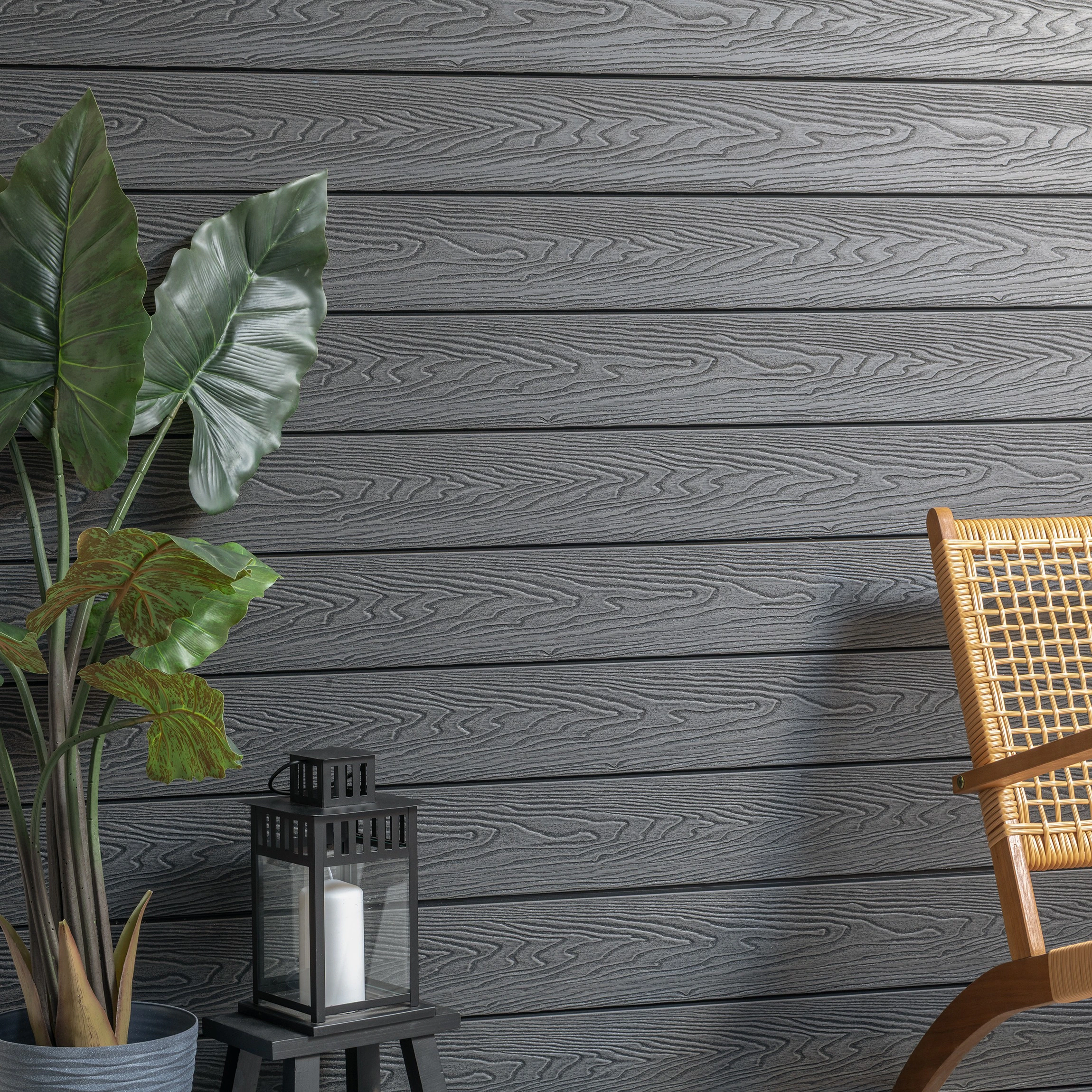
Different house cladding colours suit different cladding materials because every material has its own texture, shine, depth, and natural finish. Timber, composite, brick, stone, tile, and metal cladding all change how exterior colours look on a home.
A cladding colour can look soft on timber, sharper on metal, deeper on stone, and cleaner on tiles. The best choice comes from matching the colour with the material finish, roof colour, window frames, garden setting, and the age of the home.
Timber Cladding Colours: Timber cladding suits natural colours such as oak, cedar, larch, walnut, and weathered grey. These colours add warmth to modern homes, garden rooms, porches, and rear extensions. Timber colours work well with white walls, black windows, grey roof tiles, stone effect tiles, and green gardens.
Composite Cladding Colours: Composite cladding suits clean and even colours such as anthracite, light grey, black, cream, teak, and warm brown. These colours work well on modern homes, garages, side walls, and low-maintenance garden buildings. Composite cladding often looks neat with simple windows, modern paving, and tidy outdoor spaces.
Brick Cladding Colours: Brick cladding suits red, brown, clay, cream, whitewashed, and charcoal colours. These colours work well with terraced homes, Victorian houses, older properties, porches, and traditional front walls. Brick colours match clay roof tiles, black front doors, cream trims, and quarry-style outdoor tiles.
Stone Cladding Colours: Stone cladding suits soft natural colours such as beige, limestone, sandstone, slate grey, cream, and charcoal. These colours work well with cottages, bungalows, rural homes, garden walls, and larger exterior surfaces. Stone colours feel calm beside gravel paths, timber doors, planting, and warm roof tiles.
Exterior Tile Cladding Colours: Exterior tile cladding suits stone effect, slate effect, concrete effect, brick effect, cream, grey, and black colours. These colours work well on porches, entrance walls, garden walls, steps, and modern feature areas. Tile cladding is useful when the house needs a clean, shaped, and easy-to-match exterior finish.
Metal Cladding Colours: Metal cladding suits black, zinc grey, bronze, dark green, silver, and rust colours. These colours work well on modern homes, garden rooms, extensions, and sharp architectural details. Metal colours look best with simple shapes, large windows, pale paving, timber details, and clean rooflines.
What Colours Work Best For Shiplap Panels?
The best colours for shiplap panels are white, cream, light grey, charcoal, black, sage green, olive green, natural timber, and weathered grey because the board profile adds shadow lines and makes exterior colour look more textured.
White shiplap panels create a bright coastal look. Cream shiplap panels suit cottages and traditional homes. Light grey shiplap panels give garden rooms and rear extensions a clean finish. Black and charcoal shiplap panels create a bold modern feature. Sage green, olive green, and weathered timber shiplap panels suit rural homes, planted gardens, and outdoor buildings.
What House Cladding Colours Work With Exterior Tiles?
House cladding colours work best with exterior tiles when the wall colour matches the tile tone, roof colour, window frames, and garden style. Grey, cream, black, brick red, sage green, and stone beige all pair well with common outdoor tile finishes.
Exterior tiles sit close to house cladding on porches, steps, patios, paths, garden walls, and entrance areas. A good colour match makes the outside of the home feel planned and balanced. The colour ideas below show which house cladding colours work well with popular exterior tile styles.
- Grey Cladding With Slate Effect Tiles: Grey house cladding works well with slate effect exterior tiles because both colours share a cool and modern look. This pairing suits porches, patios, garden rooms, and rear extensions. Grey cladding also works well with black window frames, white walls, and simple outdoor lighting.
- Cream Cladding With Stone Effect Tiles: Cream house cladding works well with stone effect exterior tiles because both colours feel warm and soft. This pairing suits cottages, bungalows, traditional homes, and front entrances. Cream cladding also works well with oak doors, clay roof tiles, gravel paths, and garden planting.
- Black Cladding With Concrete Effect Tiles: Black house cladding works well with concrete effect exterior tiles because both finishes create a clean and modern exterior. This pairing suits garden rooms, modern extensions, side walls, and feature areas. Pale furniture, timber details, or green planting can soften the darker look.
- Brick Red Cladding With Quarry-Style Tiles: Brick red house cladding works well with quarry-style exterior tiles because both colours have a warm and traditional feel. This pairing suits Victorian homes, terraced houses, porches, and period-style entrances. Brick red also works well with cream trims, black doors, and clay roof tiles.
- Sage Green Cladding With Limestone Effect Tiles: Sage green house cladding works well with limestone effect exterior tiles because the soft green and pale stone tones feel calm together. This pairing suits garden-facing walls, rural homes, cottages, and bungalows. Sage green also works well with lawns, hedges, oak doors, and bronze outdoor lights.
- Stone Beige Cladding With Beige Outdoor Tiles: Stone beige house cladding works well with beige outdoor tiles because the colours stay close and natural. This pairing suits larger wall areas, rural homes, detached houses, and calm garden spaces. Stone beige also works well with cream render, timber doors, gravel paths, and warm roof tiles.
What House Cladding Colours Suit Coastal, Rural, And Urban Homes?
Coastal homes suit white, pale grey, blue-grey, and sandy beige cladding. Rural homes suit sage green, olive green, timber, cream, and stone beige cladding. Urban homes suit charcoal, black, brick red, concrete grey, and slate grey cladding.
Location changes how house cladding colours look. Sea air, open fields, trees, busy roads, nearby buildings, and garden size all affect the best colour choice. The colour ideas below show which house cladding colours suit coastal, rural, urban, and suburban homes.
- Coastal House Cladding Colours: White, pale grey, blue-grey, sandy beige, and weathered timber suit coastal homes. These colours feel bright, fresh, and open beside sea views, pale paving, gravel paths, and simple planting. White gives a clean coastal look. Blue-grey and sandy beige feel softer and easier to maintain.
- Rural House Cladding Colours: Sage green, olive green, natural timber, stone beige, cream, and clay red suit rural homes. These colours work well with fields, hedges, trees, gravel driveways, clay roof tiles, and garden planting. Natural colours help the house feel settled in the landscape.
- Urban House Cladding Colours: Charcoal, black, concrete grey, slate grey, brick red, and zinc grey suit urban homes. These colours work well with modern windows, small front gardens, brick streets, driveways, and exterior tiles. Mid-grey and charcoal hide road dust better than pure white.
- Suburban House Cladding Colours: Light grey, cream, taupe, sage green, natural timber, and white suit suburban homes. These colours work well with semi-detached houses, bungalows, new builds, front lawns, paved drives, and mixed brickwork. Soft cladding colours help the home look tidy without standing out too much.
Which House Cladding Colours Are Timeless?
Timeless house cladding colours are white, cream, light grey, stone beige, natural timber, slate grey, and brick red. These colours stay popular because they work with common roof tiles, brickwork, windows, front doors, paving, and garden styles.
A timeless house cladding colour does not feel tied to one short trend. The best long-lasting colours look balanced on modern homes, older houses, cottages, bungalows, extensions, and garden rooms. These colours also match well with exterior tiles, patios, driveways, and planting.
- White And Off-White Cladding: White and off-white house cladding gives a bright, clean, and simple look. These colours suit coastal homes, modern extensions, garden rooms, and shaded walls. White works well with black windows, grey roof tiles, pale outdoor tiles, and timber doors.
- Cream Cladding: Cream house cladding gives a soft and warm look. Cream suits cottages, bungalows, 1930s homes, and traditional house fronts. Cream works well with red brick, clay roof tiles, oak doors, beige paving, and garden planting.
- Light Grey Cladding: Light grey house cladding gives a calm modern look without feeling too dark. Light grey suits new builds, semi-detached homes, porches, garages, and rear extensions. Light grey works well with slate roofs, black windows, white walls, and porcelain paving.
- Stone Beige Cladding: Stone beige house cladding gives a natural and steady look. Stone beige suits rural homes, detached houses, cottages, and larger wall areas. Stone beige works well with gravel paths, cream render, timber doors, limestone-style tiles, and warm roof colours.
- Natural Timber Cladding: Natural timber colour cladding adds warmth that does not feel too trendy. Oak, cedar, larch, walnut, and weathered timber colours suit porches, garden rooms, modern homes, and rear extensions. Timber works well with white render, black windows, grey roofs, and stone effect tiles.
- Slate Grey Cladding: Slate grey house cladding gives a smart and balanced look. Slate grey is darker than light grey but softer than black. Slate grey suits modern homes, garden rooms, gables, garages, and extensions. Slate grey works well with pale walls, timber details, black frames, and slate effect outdoor tiles.
- Brick Red Cladding: Brick red house cladding gives a classic and familiar look. Brick red suits terraces, Victorian homes, older properties, porches, and traditional front walls. Brick red works well with clay roof tiles, black doors, cream trims, and quarry-style outdoor tiles.
Which House Cladding Colours Are Trending?
Trending house cladding colours include charcoal, black, sage green, olive green, warm stone, natural timber, and soft grey. These colours are popular because they make home exteriors feel modern, natural, and easy to match with roofs, windows, doors, outdoor tiles, and gardens.
House cladding colour trends are moving towards calm, nature-led shades and simple modern neutrals. The best trending colours do not feel too bright or too busy. They work across front elevations, rear extensions, garden rooms, porches, and feature walls.
- Charcoal Cladding: Charcoal house cladding is trending because it gives homes a smart modern look without being as strong as black. Charcoal works well with pale render, timber details, black window frames, grey roof tiles, and slate effect outdoor tiles.
- Black Cladding: Black house cladding is trending on modern extensions, garden rooms, and barn-style homes. Black adds bold shape and contrast. Black works best with pale paving, white walls, timber details, large windows, and green planting.
- Sage Green Cladding: Sage green house cladding is trending because it gives a soft natural look. Sage green works well with lawns, hedges, trees, cream walls, oak doors, and limestone-style outdoor tiles. Sage green suits cottages, bungalows, rural homes, and garden-facing walls.
- Olive Green Cladding: Olive green house cladding is trending for deeper garden-led designs. Olive green feels richer than sage and softer than bright green. Olive works well with black windows, dark roof tiles, timber cladding, gravel paths, and large garden spaces.
- Warm Stone Cladding: Warm stone house cladding is trending because beige, limestone, sandstone, and taupe colours create a calm and long-lasting exterior. Warm stone works well with cream render, timber doors, bronze lights, gravel driveways, and stone effect outdoor tiles.
- Natural Timber Cladding: Natural timber colour cladding is trending because oak, cedar, larch, and weathered wood tones add warmth to simple house shapes. Timber works well on porches, garden rooms, rear extensions, and modern homes with black windows or grey roofs.
- Soft Grey Cladding: Soft grey house cladding is trending because it gives a clean modern look without feeling dark. Soft grey works well with slate roofs, white walls, black doors, porcelain paving, and new build homes. Soft grey also hides dust better than bright white.
How Do You Build A House Cladding Colour Palette?
Build a house cladding colour palette with 3 simple parts: a main cladding colour, a second material colour, and a small accent colour. A good palette makes the walls, roof, windows, doors, paving, and garden feel connected.
A house cladding colour palette is the full colour plan for the outside of the home. The palette helps every exterior part work together instead of looking separate. A simple palette with 2 or 3 colours is usually easier to live with than a busy mix of many shades.
- Main Cladding Colour: The main cladding colour covers the largest wall area. White, cream, light grey, stone beige, sage green, timber, and charcoal are common main colours. Choose the main cladding colour by looking at the roof, brickwork, window frames, and the size of the house.
- Second Material Colour: The second material colour adds depth through brick, render, stone, timber, tiles, or paving. A cream house can use sage green as the second colour. A grey house can use timber as the second colour. A black house can use pale stone as the second colour.
- Accent Colour: The accent colour appears on smaller details, such as the front door, outdoor lights, window frames, handles, trims, planters, or steps. Black, bronze, oak, white, dark green, and charcoal are useful accent colours. Accent colours help the cladding scheme feel finished.
- Roof Colour: The roof colour should guide the cladding palette because the roof is a large part of the home exterior. Slate roofs work well with grey, black, white, timber, and sage cladding. Clay roofs work well with cream, brick red, stone beige, and warm timber cladding.
- Window And Door Colour: Window and door colours should sit comfortably inside the cladding palette. Black frames work well with white, grey, timber, stone beige, and green cladding. White frames work well with cream, light grey, sage, brick red, and soft stone cladding.
- Outdoor Tile And Paving Colour: Outdoor tiles and paving should match the tone of the cladding palette. Grey paving works well with grey, black, white, and timber cladding. Beige paving works well with cream, sage green, stone beige, and brick red cladding.
- Garden Colour: Garden colour should also guide the cladding palette. Green gardens work well with sage, olive, timber, cream, and stone beige cladding. Modern patios work well with grey, black, charcoal, white, and concrete-style cladding colours.
What Are The Biggest House Cladding Colour Mistakes?
The biggest house cladding colour mistakes happen when the colour is chosen without checking the roof, windows, front door, brickwork, paving, garden, and street style. A good cladding colour should suit the whole home, not just look nice on a small sample.
House cladding colour mistakes can make a home look too dark, too busy, too flat, or out of place. Most problems come from choosing a colour in isolation. The safest approach is to compare every cladding colour with the fixed parts of the house before making the final choice.
- Choosing A Colour From A Screen Only: A cladding colour can look very different on a phone, laptop, or printed image. Natural light, shade, rain, and wall direction can change the final colour. A real sample beside the roof, windows, door, and paving gives a better result.
- Ignoring The Roof Colour: The roof is one of the biggest visible parts of a home. A cladding colour that clashes with the roof can make the whole exterior look wrong. Slate roofs often suit grey, black, white, timber, and sage. Clay roofs often suit cream, brick red, stone beige, and warm timber.
- Using Too Many Colours: Too many exterior colours can make a house look messy. A simple cladding palette works better with 2 or 3 main colours. One colour can cover the cladding, one colour can add contrast, and one colour can appear on doors, trims, lights, or planters.
- Choosing A Trend Colour For The Whole House: A bold trend colour can look good on a small feature wall but feel too strong across a full house. Black, deep green, and charcoal often work best on smaller areas, such as porches, gables, garden rooms, or rear extensions.
- Forgetting About Maintenance: Some cladding colours show marks faster than others. White can show dirt, algae, and splash marks. Black can show dust, pollen, and water marks. Mid-tone colours such as light grey, stone beige, taupe, sage green, and brick red are easier to live with.
- Ignoring The Street Style: A cladding colour should feel natural beside nearby homes, especially on terraced and semi-detached streets. A very dark or bright colour can stand out too much on a traditional road. Cream, light grey, stone beige, brick red, and sage green often feel more balanced.
- Forgetting The Garden And Paving: Garden colours and outdoor tiles sit close to the cladding, so they change how the wall colour looks. Grey paving suits grey, black, white, and timber cladding. Beige paving suits cream, sage green, stone beige, and brick red cladding.
- Not Testing The Colour In Different Light: The same cladding colour can look pale in bright sun and darker in shade. Morning light, evening light, cloudy weather, and rain can all change the colour. A sample should be checked outside at different times before making a final choice.
How To Choose The Best House Cladding Colour For Your Home
Choose the best house cladding colour by matching the colour with the roof, windows, front door, brickwork, paving, garden, street style, and cleaning needs. The right colour makes the whole home look balanced, not just the cladding.
Match The Roof Colour
Roof colour is the best starting point because the roof takes up a large part of the home exterior. Grey or slate roof tiles work well with white, light grey, charcoal, black, sage green, and timber cladding. Clay or brown roof tiles work well with cream, brick red, stone beige, olive green, and warm timber cladding.
Match The Existing Brickwork Or Render
Existing brickwork or render helps decide the cladding colour. Red brick works well with cream, charcoal, black, sage green, and brick red cladding. Yellow brick works well with white, sage green, olive green, light grey, and stone beige cladding. Plain render gives more freedom with grey, black, white, timber, and stone colours.
Match The Windows And Front Door
Windows and doors help the cladding colour feel complete. Black or anthracite windows work well with white, grey, timber, sage green, stone beige, and black cladding. White windows work well with cream, light grey, sage green, brick red, and soft stone colours. Oak doors work well with charcoal, white, cream, sage green, and natural timber cladding.
Match The Size And Shape Of The Home
House size changes how cladding colours look. Small houses, bungalows, and narrow front walls often look bigger with white, cream, light grey, and pale stone cladding. Larger homes, rear extensions, garden rooms, and feature walls can handle stronger colours, such as charcoal, black, olive green, and slate grey.
Match The Garden, Driveway And Outdoor Tiles
Garden colours, driveways, and outdoor tiles sit close to the cladding, so they matter. Green gardens work well with sage green, olive green, timber, cream, and stone beige cladding. Grey paving works well with grey, black, white, and timber cladding. Beige paving works well with cream, sage green, stone beige, and brick red cladding.
Match The Street Style
Street style helps the home look natural beside nearby houses. Terraced and semi-detached homes usually look better with balanced colours because neighbouring homes sit close together. Detached homes can carry stronger contrast more easily. Cream, light grey, stone beige, brick red, and sage green often feel natural on traditional streets.
Think About Cleaning And Maintenance
Cleaning needs matter when choosing a house cladding colour. White cladding can show dirt and algae faster. Black cladding can show dust, pollen, and water marks faster. Mid-tone colours such as light grey, stone beige, taupe, sage green, weathered timber, and brick red are usually easier to maintain.
Test The Colour Outside
A house cladding colour can change in sun, shade, rain, morning light, and evening light. Place the sample beside the roof, windows, front door, brickwork, paving, and garden. A real outdoor sample gives a safer choice than a colour shown on a screen.
Final Thoughts On House Cladding Colour Ideas
The best house cladding colour is the colour that works with the whole home. White, cream, light grey, charcoal, black, sage green, olive green, natural timber, brick red, and stone beige all suit different homes when they match the roof, windows, door, paving, garden, and street style.
A good house cladding colour scheme does not need to feel complicated. Start with the fixed parts of the home. Check the roof, brickwork, windows, front door, garden, outdoor tiles, and nearby houses. Then choose a colour that makes those parts feel connected.
For many UK homes, the safest choices are soft neutrals, natural greens, warm timber tones, and mid-tone greys. Stronger colours such as black, charcoal, and olive green work well when used carefully on feature walls, extensions, garden rooms, and modern exteriors. At Walls and Floors, we recommend pairing house cladding colours with outdoor tiles, paving, steps, and entrance areas so the whole exterior feels balanced from wall to floor.
