
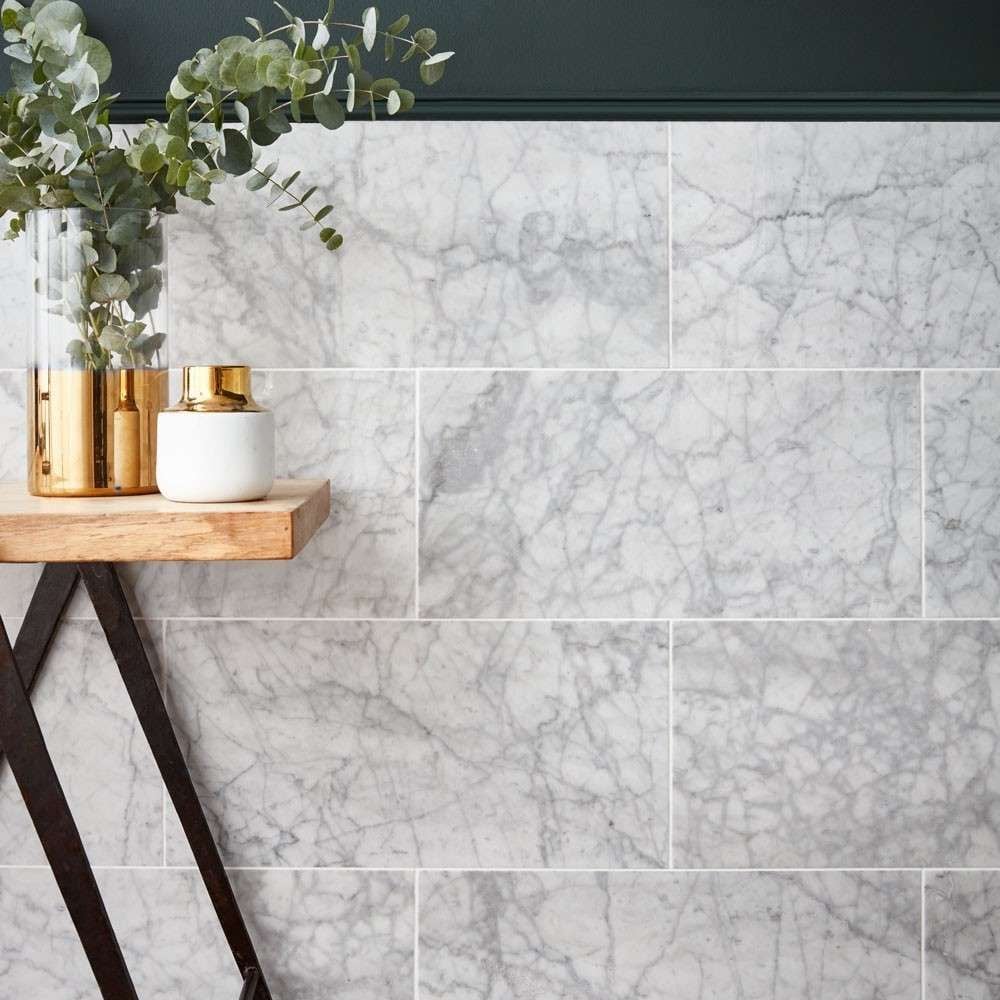
Natural stone rewards the right care and punishes the wrong kind more than almost any other tile material. The same porous, slightly reactive surface that gives travertine, limestone, and marble their character also makes them vulnerable to acidic cleaners, harsh scrubbing, and the wrong product stripping away a sealer you may not even realise is there. This guide covers how to clean natural stone and travertine tiles properly, for everyday maintenance and for tougher grime, without damaging the surface underneath.
Table of Contents
Why natural stone needs different cleaning products to standard tiles
Most everyday household cleaners, and plenty of products marketed generically as “tile cleaner,” are formulated with acids or strong alkalis that work well on ceramic and porcelain but can etch, dull, or discolour natural stone. Travertine and limestone are particularly reactive since they’re calcium-based, and something as ordinary as an acidic bathroom cleaner or undiluted vinegar can leave a permanent dull patch on a surface that was otherwise in good condition. If your stone has been sealed, which is standard practice for most natural stone installations, an overly harsh cleaner can also strip that sealer over time, leaving the stone more vulnerable to staining than before.
Everyday cleaning
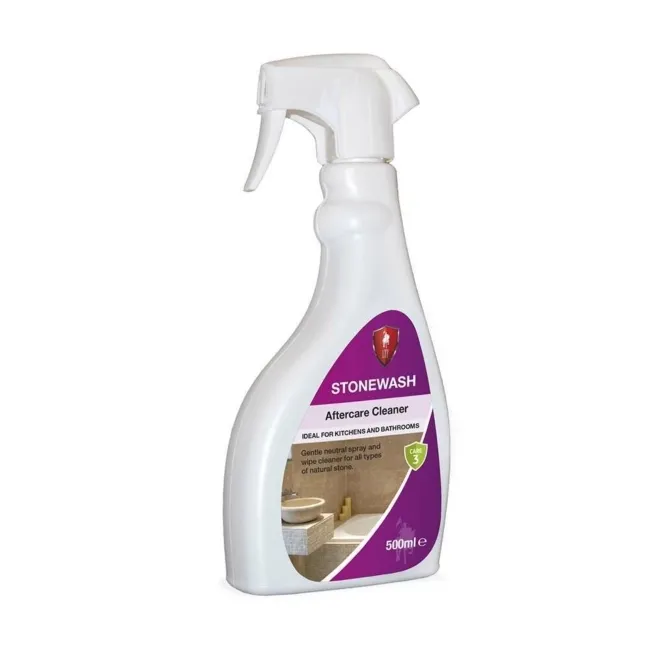
For routine cleaning, a pH-neutral cleaner formulated specifically for natural stone is the safest routine choice, since it cleans effectively without the acidity that risks etching the surface or breaking down a sealer. A product such as Walls & Floors’ LTP Stonewash is designed exactly for this, a gentle spray-and-wipe cleaner suitable across travertine, limestone, marble, granite, sandstone, and slate, that cleans without stripping any protective sealer already on the surface. Wipe with a soft cloth or mop rather than an abrasive pad, and avoid leaving any cleaning solution to dry on the surface, rinsing with clean water afterwards if the product’s instructions recommend it.
Dealing with tougher grime and older staining
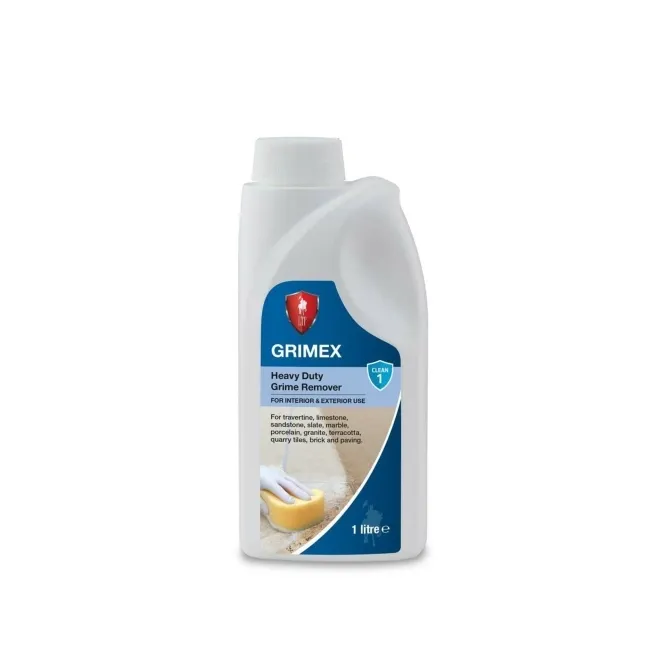
For grime that’s built up over time, old wax residue, or general heavier soiling that a routine spray-and-wipe cleaner doesn’t fully shift, a more intensive stone-safe cleaner is the next step rather than reaching for something stronger and generic. LTP Grimex Intensive Tile Cleaner is formulated for exactly this on natural stone surfaces including slate, marble, and quarry tiles, removing stubborn grime, old wax, and residue without the acidity that would risk damaging the stone. Always test an inconspicuous area first, and follow the product’s dilution and contact time instructions rather than leaving a stronger cleaner on the surface longer than recommended in the hope of a better result.
What to avoid using on natural stone
- Vinegar and other acidic household cleaners. A common natural cleaning suggestion for tiles generally, but genuinely risky on travertine, limestone, and marble, since the acid can etch and permanently dull the surface.
- Bleach-based cleaners, which can discolour some natural stone types and, more seriously, produce a toxic gas if they come into contact with an ammonia-based product, so the two should never be used on the same surface without being fully rinsed and dried between applications.
- Abrasive scouring pads or powders. These can scratch a polished stone finish permanently, which is a far more expensive problem to fix than the staining or grime they were meant to remove.
- A generic “tile and grout” cleaner not specifically rated for natural stone. Many of these are formulated for ceramic and porcelain and contain acids or alkalis strong enough to affect stone even if the label doesn’t specifically warn against it.
Cleaning natural stone in a shower or wet area
Wet areas need slightly more frequent attention, since standing water and soap residue build up faster there than on a dry floor. A daily squeegee after showering, wiping down the stone to remove standing water, goes a long way toward preventing the mineral and soap scum buildup that’s otherwise harder to remove later. Use the same pH-neutral, stone-safe cleaner for routine cleaning here as elsewhere, and check with the sealant manufacturer or a qualified fitter if you’re unsure whether your specific stone and sealer combination is holding up well in a consistently wet environment, since some stone types and finishes cope with prolonged moisture better than others.
When to reseal rather than just clean

If water is no longer beading on the surface of your stone, soaking in instead, that’s usually a sign the sealer has worn down and needs reapplying rather than a sign you need a stronger cleaner. Cleaning can’t restore a worn sealer’s protective function, and continuing to clean a surface that’s lost its seal just delays addressing the actual problem, which is that the stone is more exposed to staining than it should be. Walls & Floors’ guide to sealing natural stone tiles covers the resealing process step by step if you’re at that point.
Common mistakes to avoid
- Using an acidic cleaner because it’s what’s on hand. Reaching for a generic bathroom spray or vinegar out of convenience is one of the most common ways natural stone gets etched or dulled.
- Scrubbing with an abrasive pad on stubborn grime. A stone-safe intensive cleaner left to work for the recommended contact time is more effective and far less risky than scrubbing harder.
- Skipping a patch test on a new cleaning product. Stone types and finishes vary enough that testing an inconspicuous area first is worth the extra few minutes.
- Not recognising when a sealer needs reapplying. Continuing to clean a stone surface that’s lost its seal doesn’t restore its stain resistance, only reapplying a sealer does that.
- Leaving cleaning solution to dry on the surface. This can leave its own residue or streaking, particularly with a spray cleaner used more heavily than the instructions suggest.
FAQs
What’s the best way to clean natural stone tiles?
A pH-neutral cleaner formulated specifically for natural stone, used regularly with a soft cloth or mop, is the safest routine approach. Avoid acidic or abrasive products, which can etch, dull, or scratch the surface permanently.
Can you use vinegar to clean travertine tiles?
It’s best avoided. Vinegar is acidic, and travertine is calcium-based, so it can etch and permanently dull the surface even when diluted. A stone-safe, pH-neutral cleaner is a much safer routine choice.
How do you clean natural stone tiles without damaging the sealer?
Use a cleaner specifically formulated to be sealer-safe, such as a dedicated stone cleaning spray, rather than a generic or acidic product. Check the product’s own guidance, since not every stone cleaner is designed to leave an existing sealer intact.
What removes stubborn grime from natural stone without damaging it?
An intensive stone-safe cleaner formulated for grime, old wax, and heavier residue, used according to the product’s dilution and contact time instructions, is more effective and safer than scrubbing with an abrasive pad or using a stronger generic cleaner.
How often should you clean natural stone tiles in a bathroom or shower?
A quick squeegee after each shower to clear standing water helps considerably, with a proper clean using a stone-safe cleaner on a regular basis, weekly is a reasonable starting point for a well-used bathroom, adjusted depending on how heavily the space is used.
How do you know if natural stone tiles need resealing rather than just cleaning?
If water no longer beads on the surface and instead soaks in, that’s a sign the sealer has worn down. Cleaning won’t restore that protection, since resealing is what’s needed at that point rather than switching to a different or stronger cleaner.
In summary
Natural stone and travertine need cleaning products matched to the material, pH-neutral for routine use and a dedicated intensive stone cleaner for tougher grime, rather than generic tile cleaners or acidic household products that risk etching or dulling the surface. Watch for water no longer beading as the sign it’s time to reseal rather than clean harder, and the stone should stay looking good for years rather than gradually losing its finish.
Browse Walls & Floors’ natural stone cleaning and sealing products to keep your travertine, limestone, or marble tiles looking their best.
