
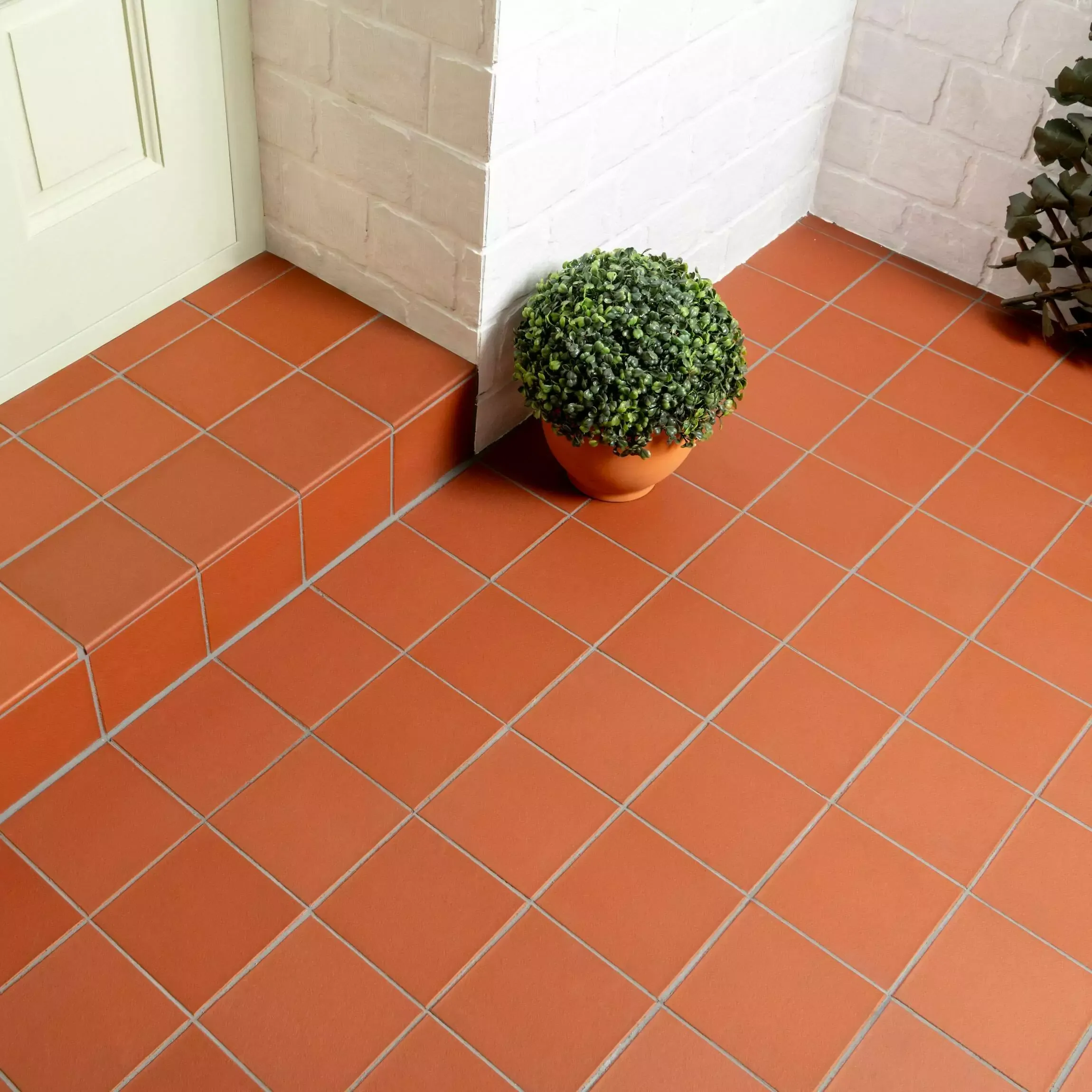
Terracotta tiles are made from naturally porous fired clay, so regular cleaning requires controlled moisture, gentle cleaning tools and products compatible with the tile surface. Dirt, grease, spills and excess water can penetrate unsealed or poorly sealed terracotta more easily, increasing the risk of staining and discolouration.
To clean terracotta tiles, sweep or vacuum loose dirt first, then damp-mop the surface using warm water and a pH-neutral cleaner suitable for terracotta. Remove excess moisture, allow the tiles to dry completely and avoid acidic cleaners, abrasive products and steam cleaning.
The correct cleaning method depends on whether the terracotta is sealed, unsealed, glazed or waxed. Our guide covers routine cleaning, deep cleaning, stain removal, suitable cleaning products, common mistakes, sealing and ongoing maintenance to help keep terracotta floor and wall tiles clean without damaging the clay surface or protective finish.
Table of Contents
Why Does Terracotta Need Special Care?
Terracotta needs special care because the fired clay has a naturally porous surface that absorbs water, dirt, oils and cleaning products more readily than many glazed tiles. Correct cleaning protects the surface, preserves the warm colour and reduces the risk of staining or discolouration.
Sealed terracotta tiles have greater protection against moisture and everyday spills, but harsh chemicals, abrasive tools and excessive water can gradually damage the protective finish. Unsealed terracotta requires greater care because liquids and stains can penetrate deeper into the clay.
Regular sweeping removes grit before particles scratch or dull the surface. Gentle cleaning with warm water and a suitable pH-neutral cleaner removes everyday dirt without exposing terracotta tiles to unnecessarily aggressive chemicals.
Understanding whether terracotta tiles are sealed, unsealed, glazed or waxed should always come before choosing a cleaning method. Different surface finishes require different levels of moisture, cleaning strength and maintenance.
Sealed Tiles vs Unsealed Tiles:
| Terracotta surface | Surface protection | Cleaning considerations |
| Sealed terracotta | Protective sealer reduces liquid absorption | Easier to clean, but harsh cleaners can damage the protective finish |
| Unsealed terracotta | Porous clay remains directly exposed | Absorbs moisture and spills more readily, requiring controlled moisture and prompt cleaning |
How Can You Tell Whether Terracotta Tiles Are Sealed?
Sealed terracotta tiles usually resist water absorption, while unsealed terracotta absorbs moisture more readily and often darkens where water contacts the porous clay. Check the surface appearance, water absorption and existing finish before cleaning, particularly on older terracotta floors with an unknown maintenance history.
A simple water test can help indicate whether terracotta has an effective protective sealer. Place a few drops of clean water on a small, inconspicuous area and observe the surface for several minutes.
- Water remains on the surface: The terracotta is likely to have an effective protective finish in that area.
- Water slowly absorbs and darkens the tile: The sealer may be worn, uneven or deteriorating.
- Water absorbs quickly: The terracotta may be unsealed or have limited remaining protection.
- Different areas absorb water differently: The existing sealer may have worn unevenly, particularly across high-traffic sections.
Surface appearance can provide additional clues. Sealed terracotta may have a more consistent finish, although the appearance varies according to the type of sealer or previous surface treatment. Unsealed terracotta generally retains a more naturally porous surface and can absorb spills more readily.
Older terracotta floors require additional care because previous owners may have applied sealers, waxes or other surface treatments. Avoid assuming that a shiny surface always indicates an effective sealer or that a matt surface always indicates unsealed terracotta.
Identifying the surface condition before cleaning helps determine the appropriate amount of moisture, cleaning product and stain treatment. Follow the tile or sealer manufacturer’s guidance where the original product information remains available, and seek specialist advice when the existing finish cannot be identified.
What Do You Need to Clean Terracotta Tiles?
Cleaning terracotta tiles requires gentle equipment and a suitable pH-neutral cleaner that removes dirt without damaging the clay surface or protective seal. A soft broom, vacuum cleaner, microfibre mop, two buckets, soft-bristled brush, clean water and dry cloths cover most routine cleaning tasks.
Essential terracotta tile cleaning supplies include:
- Soft-bristled broom: Removes loose dust, grit and debris without scratching the surface.
- Vacuum cleaner: Lifts fine dirt from tile surfaces, edges and grout joints. Use a hard-floor attachment without a rotating brush.
- Microfibre mop: Cleans the floor while controlling the amount of water applied to porous terracotta.
- Two buckets: Keep the cleaning solution separate from dirty rinse water.
- pH-neutral tile cleaner: Removes everyday dirt while reducing the risk of damaging terracotta or an existing protective seal.
- Soft-bristled brush: Loosens stubborn dirt from textured tiles and grout joints without aggressive abrasion.
- Clean warm water: Dilutes suitable cleaning products and removes remaining residue where rinsing is required.
- Microfibre cloths or towels: Absorb excess moisture and help the terracotta surface dry evenly.

How Do You Clean Terracotta Tiles Step by Step?
Clean terracotta tiles by removing loose debris, preparing a suitable pH-neutral cleaning solution, working across small sections, gently agitating stubborn dirt, rinsing where required and removing excess moisture. Allow the terracotta surface to dry fully before replacing rugs, furniture or applying any protective treatment.
- Remove loose dust and debris. Sweep the terracotta tiles with a soft-bristled broom or vacuum using a hard-floor attachment. Pay particular attention to grout joints, corners and entrances where grit collects.
- Prepare the cleaning solution. Dilute a pH-neutral cleaner according to the manufacturer’s instructions. Avoid using a stronger concentration than recommended because excess cleaner can leave residue or affect the existing surface finish.
- Test a small hidden area. Apply the cleaning solution to an inconspicuous section before treating the entire floor. Check for colour changes, surface dulling or an unexpected reaction with an existing sealer or wax.
- Clean a small section at a time. Apply the cleaning solution with a microfibre mop or soft cloth. Controlled application prevents excessive water from soaking into porous terracotta, particularly where the protective seal has become worn.
- Gently loosen stubborn dirt. Use a soft-bristled brush on textured areas, grout lines or ingrained dirt. Work gently rather than applying heavy pressure or abrasive scrubbing.
- Remove the dirty cleaning solution. Lift contaminated water with a clean mop or absorbent cloth rather than allowing dirty liquid to dry back onto the tile surface.
- Rinse the tiles where required. Use clean water to remove remaining cleaner residue when the product instructions recommend rinsing. Change the rinse water regularly to avoid spreading dirt across the floor.
- Remove excess moisture. Pass a clean, well-wrung microfibre mop over the surface or absorb remaining water with dry microfibre cloths.
- Allow the terracotta tiles to dry completely. Keep foot traffic, rugs and furniture away from the cleaned area until the floor has dried. Unsealed or poorly sealed terracotta can take longer to release absorbed moisture.
- Inspect the surface after drying. Check for remaining stains, dull areas or signs of a worn protective finish. Persistent marks may require targeted stain treatment rather than repeated general cleaning.
What Cleaning Products Should You Avoid on Terracotta Tiles?
Avoid acidic cleaners, bleach, highly alkaline detergents, abrasive cleaning powders and products not confirmed as suitable for terracotta tiles. Aggressive cleaning products can affect the clay surface, weaken protective sealers, alter the finish or leave residues that make terracotta floors appear dull or uneven.
Cleaning products and tools to avoid include:
- Acidic cleaners: Vinegar, lemon juice and strong acid-based cleaners can affect some terracotta finishes, sealers and surrounding grout.
- Bleach: Strong bleach solutions can cause discolouration and may degrade certain sealers or surface treatments.
- Highly alkaline cleaners: Strong alkaline products can strip waxes, affect protective finishes and leave difficult-to-remove residues.
- Abrasive cleaning powders: Scouring powders can scratch or dull sealed, polished and traditionally finished terracotta surfaces.
- Undiluted household detergents: Concentrated detergents can leave a film that attracts dirt and reduces the natural appearance of the tiles.
- Oil-based cleaning products: Oils can penetrate inadequately sealed terracotta and create darker, uneven patches.
- Unverified stain removers: Specialist stain treatments should only be used when the manufacturer confirms suitability for terracotta and the existing surface finish.
- Wire brushes and abrasive pads: Aggressive cleaning tools can scratch the surface and wear away sealers, waxes or other protective coatings.
How Do You Remove Stains from Terracotta Tiles?
Remove stains from terracotta tiles by identifying the stain, blotting away fresh contamination and applying a cleaner suitable for terracotta and the specific stain type. Avoid aggressive scrubbing because porous terracotta can absorb liquids quickly, particularly when the protective sealer has worn away.
Treat stains as soon as possible. Fresh spills generally remain easier to remove than contamination that has penetrated deeper into the clay. Blot liquids with a clean, absorbent cloth rather than wiping across the floor, which can spread the stain over a larger area.
Different stains require different cleaning approaches:
- Grease and cooking oil: Blot fresh oil immediately, then use a terracotta-compatible cleaner designed to tackle grease. Avoid adding excessive water before absorbing as much oil as possible.
- Food and drink: Remove solid residue first, then clean the affected area with a pH-neutral tile cleaner and a soft cloth. Repeat gentle treatment rather than increasing chemical strength.
- Mud and soil: Allow wet mud to dry where practical, then sweep or vacuum loose material before washing the remaining mark. Removing dry grit first reduces surface abrasion.
- Water marks: Allow the area to dry completely before assessing the mark. Damp terracotta naturally appears darker, so temporary moisture absorption can resemble permanent staining.
- Mould and algae: Use a specialist treatment confirmed as suitable for terracotta. Address persistent moisture, poor ventilation or inadequate drainage where biological growth repeatedly returns.
- White deposits: Identify whether the deposit is cleaning residue, mineral build-up or efflorescence before treatment. Efflorescence consists of soluble salts transported to the surface by moisture and requires a different approach from ordinary dirt.
- Paint: Lift fresh paint carefully without spreading the spill. Dried or absorbed paint may require a specialist remover compatible with terracotta and the existing sealer.
Avoid automatically reaching for vinegar, bleach or strong acidic stain removers when a mark proves difficult to remove. Strong chemicals can damage protective finishes or alter the appearance of terracotta.
How Do You Clean Outdoor Terracotta Tiles?
Clean outdoor terracotta tiles by sweeping away loose dirt, leaves and grit before washing the surface with warm water and a pH-neutral cleaner suitable for exterior terracotta. Use a soft-bristled brush for stubborn dirt, remove excess cleaning solution and allow the tiles to dry thoroughly.
Outdoor terracotta is exposed to rain, soil, mud, fallen leaves and organic growth, so exterior tiles often require more frequent attention than indoor surfaces. Porous or inadequately sealed terracotta can also absorb moisture and staining more readily.
Follow these steps when cleaning outdoor terracotta:
- Remove loose debris: Sweep away leaves, soil, grit and surface dirt with a soft-bristled broom.
- Prepare the cleaning solution: Dilute a terracotta-compatible pH-neutral cleaner according to the manufacturer’s instructions.
- Work across small sections: Apply the cleaning solution without saturating the terracotta surface.
- Agitate stubborn dirt: Use a soft-bristled brush to loosen ingrained mud and dirt from textured surfaces and grout joints.
- Treat organic growth separately: Moss or algae may require a specialist cleaner confirmed as suitable for terracotta and the existing sealer.
- Remove cleaning residue: Rinse where required by the cleaning-product instructions and prevent dirty water from drying on the tiles.
- Allow the surface to dry: Remove standing water and allow the terracotta to dry thoroughly before assessing remaining stains or the condition of the sealer.
Avoid aggressive pressure washing unless the terracotta, grout and existing surface treatment are confirmed as suitable. Excessive pressure can affect vulnerable surfaces, grout joints and deteriorating protective finishes.
Regularly remove fallen leaves, soil and standing debris from outdoor terracotta. Good drainage and prompt removal of organic material also help reduce persistent moisture, staining, moss and algae growth.

How Often Should You Clean Terracotta Tiles?
Clean terracotta tiles weekly for general maintenance, with sweeping or vacuuming every 2–3 days in high-traffic areas. Kitchens, hallways and entrances often require more frequent cleaning because grit, grease, mud and moisture accumulate faster. Clean spills immediately to reduce staining on porous terracotta surfaces.
Terracotta tile cleaning frequency depends on foot traffic, room location, surface condition and sealer condition. Regular dry cleaning removes abrasive particles before grit becomes ingrained or wears the protective finish.
A practical terracotta cleaning schedule includes:
- Every 2–3 days: Sweep or vacuum high-traffic terracotta floors to remove dust, grit, crumbs, pet hair and loose dirt.
- Once a week: Damp-mop frequently used terracotta tiles with a well-wrung microfibre mop and a pH-neutral cleaner suitable for terracotta.
- Immediately after spills: Blot water, drinks, cooking oil, grease and food spills with an absorbent cloth. Rapid removal reduces the risk of liquids penetrating porous or inadequately sealed tiles.
- When visibly dirty: Clean mud, tracked-in dirt and localised marks before contamination becomes ingrained.
- Periodically: Check terracotta tiles for dull areas, persistent stains, uneven absorption or deterioration of the protective sealer.
Sealed terracotta tiles generally resist everyday dirt and moisture better than unsealed terracotta tiles. Unsealed or poorly sealed terracotta absorbs liquids more readily, making prompt spill removal particularly important.
Terracotta floors in kitchens and hallways usually need more frequent attention because cooking residues, footwear and regular foot traffic increase surface contamination. Outdoor terracotta tiles may require additional cleaning after prolonged wet weather, fallen leaves, mud, moss or algae growth.
Avoid unnecessary wet cleaning. Regular sweeping combined with controlled damp-mopping provides effective terracotta maintenance without repeatedly exposing the porous clay surface to excess moisture.
How Do You Protect Terracotta Tiles After Cleaning?
Protect terracotta tiles after cleaning by allowing the surface to dry completely, maintaining a suitable protective sealer and removing future spills quickly. Sealing reduces the absorption of water, oils and dirt, while regular sweeping helps prevent abrasive grit from wearing the terracotta surface and protective finish.
Terracotta is naturally porous, so effective protection starts after the cleaning process has finished. Avoid applying sealer, wax or another protective treatment while moisture remains within the tiles. Trapped moisture can cause uneven appearance, discolouration or problems with the protective finish.
Follow these steps to protect terracotta tiles after cleaning:
- Allow the tiles to dry completely: Keep the cleaned floor free from rugs, furniture and unnecessary foot traffic until all visible and absorbed moisture has dried.
- Check the existing sealer: Look for dull patches, uneven colour or areas that absorb water noticeably faster than surrounding tiles. Increased absorption can indicate a worn protective finish.
- Reseal when required: Apply a sealer specifically suitable for terracotta tiles when the existing protection has deteriorated. Follow the sealer manufacturer’s preparation, application and drying instructions.
- Remove spills immediately: Blot water, cooking oils, drinks and food spills with an absorbent cloth before liquids penetrate vulnerable areas.
- Sweep regularly: Remove sand, grit and other abrasive particles before foot traffic grinds debris against the tile surface.
- Use suitable cleaning products: Continue routine maintenance with a pH-neutral cleaner compatible with terracotta and the existing sealer.
- Protect high-traffic areas: Use suitable entrance mats to reduce the amount of mud, grit and moisture carried onto terracotta floors.
Sealing provides the main protective barrier for many unglazed terracotta tiles. A suitable sealer reduces liquid absorption and makes routine cleaning easier, but sealing does not eliminate the need for regular maintenance or prompt spill removal.
Avoid resealing terracotta according to a fixed timetable alone. Foot traffic, tile porosity, sealer type, cleaning frequency and exposure to moisture determine how quickly protection deteriorates. Inspect the terracotta surface periodically and follow the tile and sealer manufacturers’ maintenance recommendations.
What Common Mistakes Should You Avoid When Cleaning Terracotta Tiles?
Common terracotta cleaning mistakes include using acidic or abrasive cleaners, applying excessive water, scrubbing with harsh tools, ignoring spills and cleaning without checking the existing sealer. Avoiding aggressive cleaning methods protects the porous clay surface, preserves the protective finish and reduces staining, discolouration and surface damage.
Terracotta requires a gentler cleaning method than many glazed tile surfaces. Avoid the following mistakes when cleaning terracotta tiles:
- Using vinegar or acidic cleaners: Acidic cleaning products can affect terracotta finishes, protective sealers and surrounding grout. Use a pH-neutral cleaner confirmed as suitable for terracotta instead.
- Using bleach or harsh chemicals: Strong cleaning chemicals can cause discolouration, degrade some protective finishes and create an uneven appearance.
- Applying too much water: Porous terracotta can absorb moisture, particularly where tiles are unsealed or the sealer has deteriorated. Use a well-wrung microfibre mop rather than saturating the floor.
- Scrubbing with abrasive tools: Wire brushes, scouring pads and abrasive powders can scratch the tile surface or wear away waxes and sealers. Choose a soft-bristled brush for stubborn dirt.
- Leaving spills untreated: Oil, grease, drinks and other liquids can penetrate porous terracotta. Blot spills promptly with a clean, absorbent cloth rather than allowing liquids to dry.
- Using too much cleaning product: Excess detergent can leave a sticky or dull residue that attracts additional dirt. Follow the cleaner manufacturer’s recommended dilution ratio.
- Cleaning without checking the surface finish: Sealed, unsealed, glazed and waxed terracotta surfaces can require different cleaning methods. Identify the finish before applying a new cleaning product.
- Allowing dirty water to dry on the tiles: Contaminated cleaning water can redeposit dirt and cleaner residue across the floor. Remove dirty water and rinse with clean water where the cleaning-product instructions require rinsing.
- Sealing damp terracotta: Applying a protective treatment before the tiles have dried completely can trap moisture beneath the finish and create an uneven appearance.
- Ignoring a worn sealer: Repeatedly deep-cleaning a floor will not correct inadequate surface protection. Inspect dull, stained or rapidly absorbing areas for signs that the terracotta requires resealing.
Gentle cleaning, controlled moisture and suitable products provide the safest approach to terracotta tile maintenance. Test unfamiliar cleaning products on a small, inconspicuous area first and follow the tile, cleaner and sealer manufacturers’ care instructions.
Can You Use a Steam Cleaner on Terracotta?
No, steam cleaners are generally best avoided on terracotta tiles. Terracotta is naturally porous, so high-temperature steam and moisture can penetrate vulnerable areas, particularly where tiles are unsealed or the protective sealer has become worn, damaged or uneven.
Why Are Steam Cleaners a Problem for Terracotta?
Steam cleaning introduces heat and moisture to the terracotta surface. Porous or inadequately sealed tiles can absorb moisture, which may cause temporary darkening, uneven discolouration or deterioration of certain protective finishes.
Regular steam cleaning can also expose worn areas around grout joints, small cracks and sections where the sealer no longer provides consistent protection.
Can You Steam Clean Sealed Terracotta Tiles?
Sealed terracotta is better protected against moisture, but a sealer does not automatically make terracotta suitable for steam cleaning. Steam can penetrate worn patches, damaged grout joints and small gaps in the protective finish.
Check the tile and sealer manufacturers’ care instructions before using a steam cleaner. Avoid steam cleaning when compatibility cannot be confirmed.
What Should You Use Instead of a Steam Cleaner?
Clean terracotta tiles with a soft, well-wrung microfibre mop, warm water, and a pH-neutral cleaner designed for terracotta. This method effectively removes everyday dirt while limiting the amount of moisture absorbed by the porous clay surface.
Instead of using a steam cleaner or high-temperature steam, opt for controlled damp cleaning with warm water. Avoid excessive water and harsh household detergents, as they can damage the tiles or affect their finish. A pH-neutral cleaner formulated for terracotta is the safest choice for routine cleaning.
After cleaning, remove any excess moisture and allow the terracotta tiles to dry completely before replacing rugs or furniture.
Conclusion:
Keep terracotta tiles clean by removing loose dirt regularly, using a pH-neutral cleaner with controlled amounts of water and treating spills promptly. Maintaining a suitable protective sealer also reduces the absorption of moisture, grease and stains into the naturally porous clay surface.
Effective terracotta maintenance depends on gentle, consistent cleaning rather than aggressive treatments. Soft cleaning tools, appropriate products and prompt stain removal help preserve the natural colour, texture and finish of terracotta floor and wall tiles.
Avoid acidic cleaners, abrasive products, excessive water and steam cleaning unless the tile manufacturer specifically confirms compatibility. Check sealed terracotta periodically for worn or uneven protection, particularly across high-traffic areas.
A consistent cleaning and maintenance routine helps terracotta tiles retain their distinctive warm appearance while reducing ingrained dirt, staining and unnecessary surface damage.
