
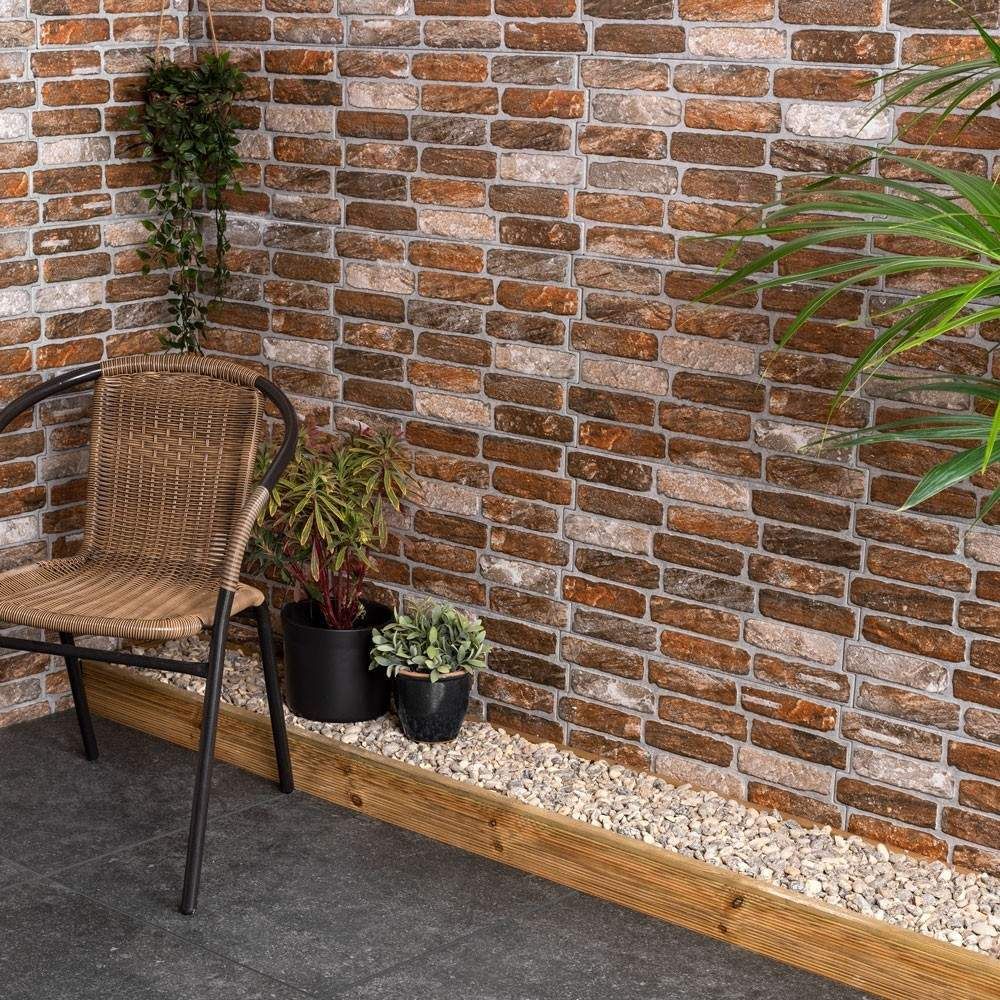
Garden wall cladding defines outdoor wall protection, durability, aesthetics, and cost efficiency, with material selection, installation method, and maintenance determining lifespan between 20 and 100 years and total project cost ranging from £40 to £250+ per m² across UK garden applications.
Garden wall cladding functions as a protective external layer that reduces weather damage by 30–60%, prevents moisture penetration, and improves structural durability under rainfall, frost, and UV exposure. Garden wall cladding materials include stone, brick slip, timber, shiplap, composite, metal, uPVC, porcelain, and render systems, each offering different performance levels, maintenance requirements, and visual characteristics. These cladding enhances outdoor design through modern, traditional, rustic, and industrial aesthetics using texture, colour variation, and panel orientation.
Garden wall cladding installation requires structured preparation including wall assessment, moisture control, ventilation gap design, and drainage planning to ensure long-term performance. This cost structure includes material pricing, labour cost between £20 and £60 per m², and design complexity, with DIY installation reducing total cost by 40–70%. The selection depends on durability, climate exposure, maintenance level, budget range, and design requirement, ensuring alignment with UK weather conditions and outdoor performance needs.
Table of Contents
What Is Garden Wall Cladding?
Garden wall cladding is an external wall covering system applied to garden-facing structures to improve weather resistance, visual appearance, and surface durability using materials such as stone, composite, timber, metal, and uPVC fixed onto existing masonry or framework.
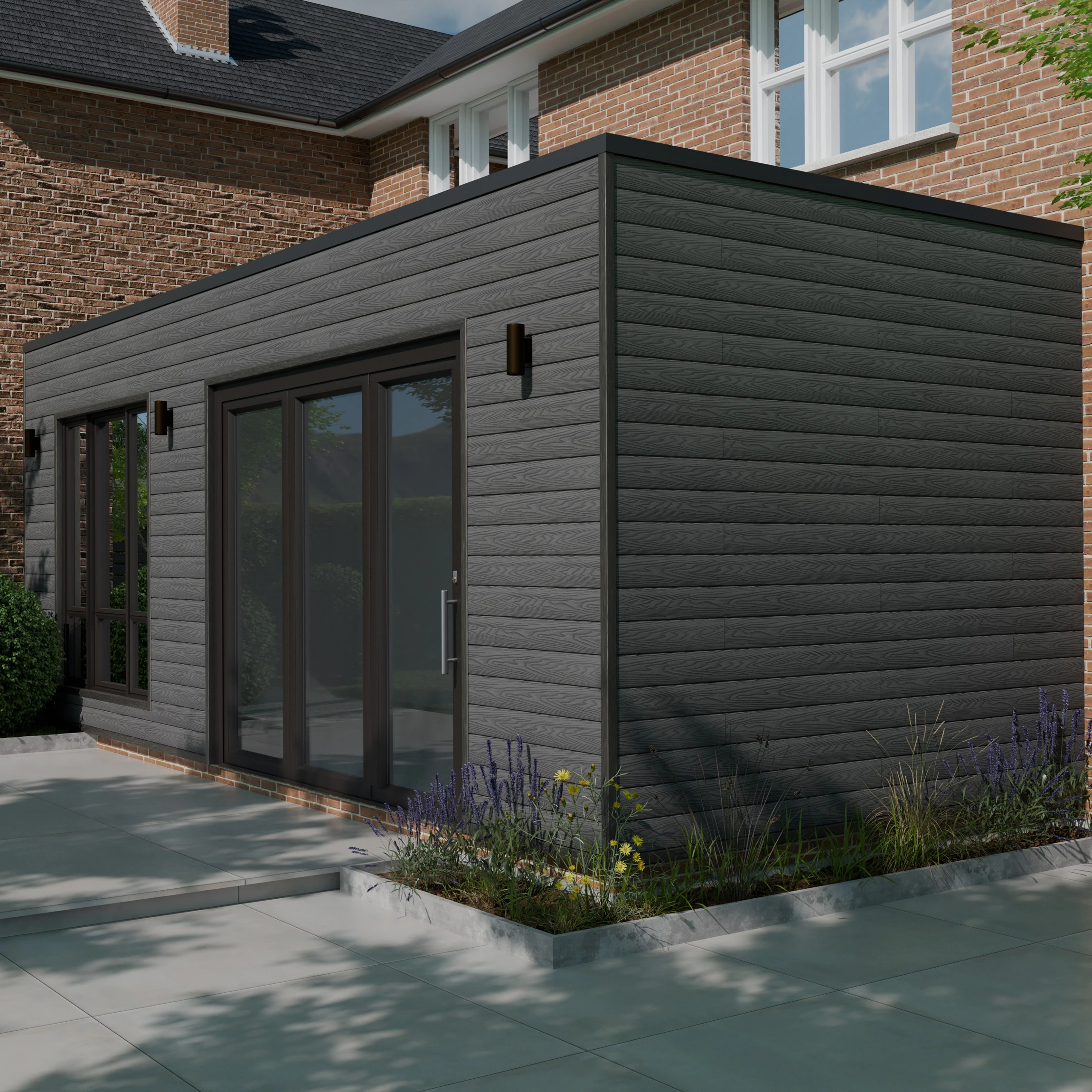
The definition and functions of garden wall cladding are given below:
- Protect Garden Walls: This forms a barrier against rain, frost, and UV exposure, reducing surface erosion and structural damage.
- Enhance Visual Appearance: These improve outdoor design through finishes such as natural stone, wood-effect, and modern composite textures.
- Increase Surface Durability: Its materials resist cracking, staining, and environmental wear across outdoor conditions.
- Support Moisture Resistance: It reduces water penetration into masonry, preventing dampness and surface deterioration.
- Enable Design Flexibility: It includes horizontal, vertical, stacked, and panel-based systems suitable for various garden layouts.
- Improve Maintenance Efficiency: It reduces repainting and repair frequency by protecting underlying wall surfaces.
- Extend Wall Lifespan: It increases durability of garden structures by limiting direct exposure to environmental stress factors.
What Are the Main Benefits of Installing Garden Wall Cladding?
Garden wall cladding delivers 6 core benefits including weather protection, surface durability, moisture resistance, visual enhancement, maintenance reduction, and lifespan extension, with cladding systems reducing environmental damage by 30–60% and improving long-term structural performance of outdoor walls.
The main benefits of installing garden wall cladding are given below:
- Increase Weather Protection: It shields surfaces from rain, frost, and UV exposure, reducing erosion and structural damage.
- Improve Surface Durability: Its materials resist cracking, staining, and environmental wear across outdoor conditions.
- Enhance Moisture Resistance: It prevents water penetration into masonry, reducing dampness and surface deterioration.
- Upgrade Visual Appearance: It improves garden design with finishes such as stone, timber, and composite textures.
- Reduce Maintenance Requirements: It lowers repainting and repair frequency by protecting underlying wall surfaces.
- Extend Wall Lifespan: It increases structural longevity by limiting direct exposure to weather conditions.
- Support Design Flexibility: It offers multiple layouts including stacked, panel, and slatted systems for different garden styles.
What Are the Different Types of Garden Wall Cladding?
Garden wall cladding types include stone, brick slip, timber, composite, metal, uPVC, porcelain, and render systems, each defined by durability, weather resistance, maintenance level, and visual appearance for outdoor wall applications.
Stone Cladding
Stone cladding uses natural or engineered stone effect wall panels to provide high durability, weather resistance, and premium outdoor aesthetics for garden walls. Stone cladding resists frost and moisture exposure. Stone cladding provides textured finishes such as slate and limestone. Stone cladding suits long-term outdoor installations.
Brick Slip Cladding
Brick slip cladding uses thin brick sections to replicate traditional brickwork while reducing weight and installation complexity on garden walls. Brick slip cladding provides an authentic brick appearance. Brick slip cladding reduces structural load on existing walls. Brick slip cladding suits renovation projects.
Timber Cladding
Timber cladding uses treated wood boards such as cedar or pine to provide natural appearance with moderate durability for garden wall applications. Timber cladding offers organic texture and warmth. Timber cladding requires treatment every 3–5 years. Timber cladding suits traditional garden designs.
Composite Cladding
Composite cladding combines wood fibres and polymers to create durable, moisture-resistant and shiplap panels with low maintenance requirements for outdoor walls. Composite cladding resists rot and warping. Composite cladding provides wood-effect finishes. Composite cladding suits modern garden spaces.
Metal Cladding
Metal cladding uses aluminium or steel panels to provide high strength, corrosion resistance, and contemporary design for garden walls. Metal cladding resists weather exposure with protective coatings. Metal cladding provides clean linear finishes. Metal cladding suits modern landscapes.
uPVC Cladding
uPVC cladding uses lightweight plastic panels to deliver waterproof, low-maintenance, and cost-effective solutions for garden wall coverage. uPVC cladding resists moisture and staining. uPVC cladding requires minimal upkeep. uPVC cladding suits budget-focused outdoor projects.
Porcelain Cladding
Porcelain cladding uses high-density ceramic panels to provide scratch resistance, stain resistance, and weather durability for garden walls. Porcelain cladding resists frost and UV exposure. Porcelain cladding provides consistent colour and finish. Porcelain cladding suits contemporary outdoor designs.
Render Cladding Systems
Render cladding systems apply cement or polymer-based coatings to create smooth or textured finishes for garden wall surfaces. Render systems improve surface protection and appearance. Render systems require periodic maintenance. Render systems suit modern garden aesthetics.
How Do Different Wood Types Compare for Garden Cladding?
Different wood types for garden cladding vary in durability, maintenance, cost, and weather resistance, with softwoods lasting 15–30 years, hardwoods lasting 30–60 years, and modified woods exceeding 50 years due to enhanced stability and moisture resistance.
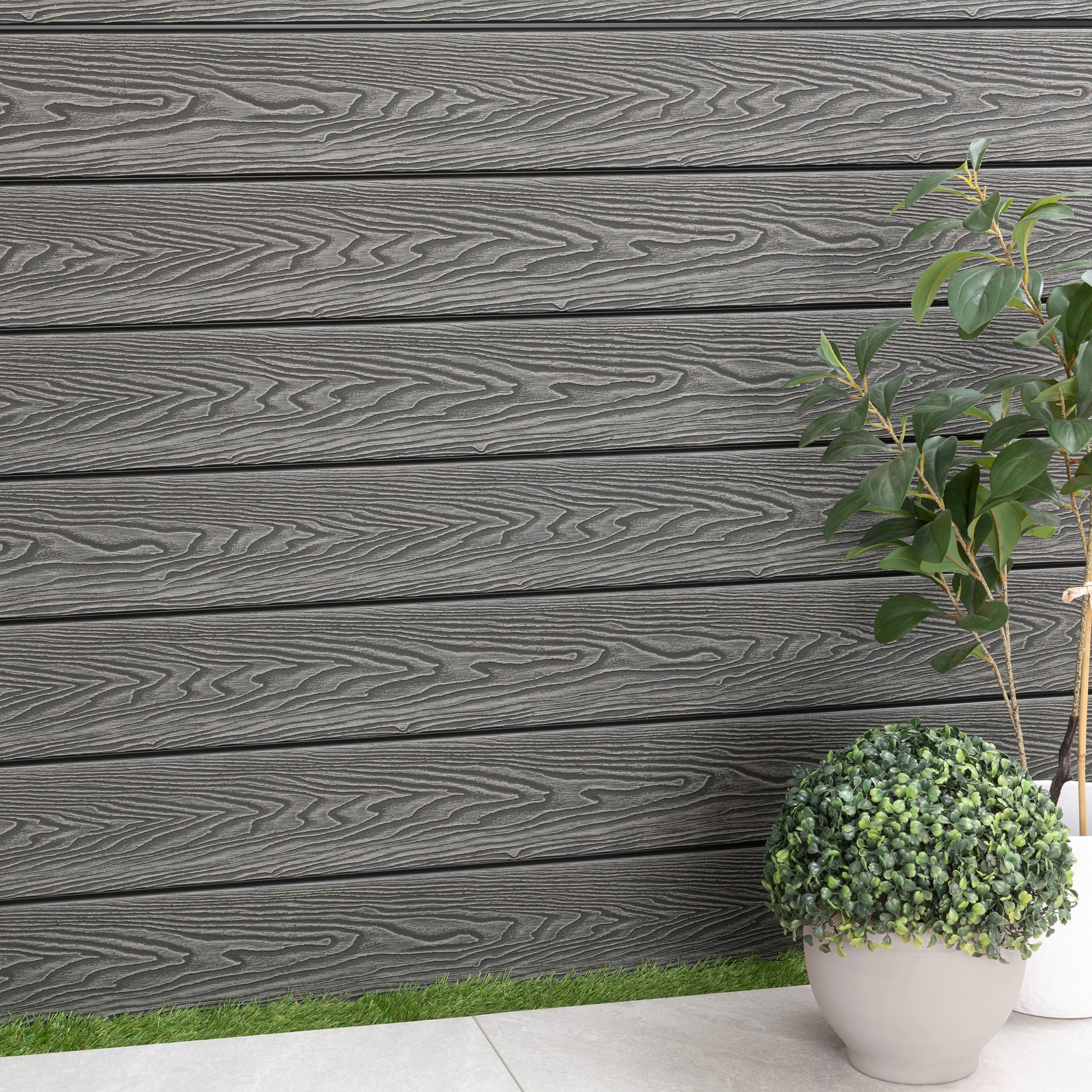
The comparison of wood types for garden cladding is given below:
- Softwood Cladding (Pine, Spruce): 15–30 years lifespan. Lower cost at £20–£60/m². Requires treatment every 2–3 years to prevent rot and moisture damage.
- Larch Cladding: 25–40 years lifespan. Mid-range cost at £40–£80/m². Naturally durable with good resistance to moisture and fungal decay.
- Cedar Cladding: 30–50 years lifespan. Cost range £60–£120/m². High natural oil content improves resistance to rot, insects, and weather exposure.
- Hardwood Cladding (Oak, Iroko): 40–60 years lifespan. Higher cost at £80–£150/m². Dense structure increases durability and resistance to impact and moisture.
- Thermally Modified Wood: 40–60+ years lifespan. Cost range £70–£130/m². Heat treatment reduces moisture absorption and improves dimensional stability.
- Accoya Wood: 50–100 years lifespan. Premium cost at £100–£180/m². Acetylated wood structure provides high resistance to rot, swelling, and weathering.
- Maintenance Requirement Comparison: Softwoods require frequent treatment every 2–3 years, while hardwoods and modified woods require treatment every 5–10 years.
What Is Composite Garden Wall Cladding?
Composite garden wall cladding is an engineered exterior wall covering made from wood fibres and polymer resins, designed to deliver high durability, moisture resistance, and low maintenance performance for outdoor garden wall applications with lifespan ranging between 25 and 40 years.
The definition and characteristics of composite garden wall cladding are given below:
- Define Material Composition: Composite cladding combines recycled wood fibres and plastic polymers to create dense, weather-resistant panels.
- Provide Moisture Resistance: Composite garden wall cladding resists water absorption, preventing rot, swelling, and fungal growth in outdoor environments.
- Increase Durability Performance: Composite panels resist cracking, warping, and insect damage, improving long-term structural stability.
- Reduce Maintenance Requirement: Composite garden wall cladding requires cleaning 1–2 times per year without frequent sealing or painting.
- Offer Wood-Effect Appearance: Composite cladding replicates natural timber textures while maintaining consistent colour and finish.
- Improve UV Stability: Composite panels resist colour fading under sunlight exposure through UV-resistant surface coatings.
- Support Installation Efficiency: Composite cladding panels use interlocking or clip systems, reducing installation time and labour complexity.
How Do Composite Materials Perform In Outdoor Environments?
Composite materials perform in outdoor environments by delivering high moisture resistance, UV stability, and structural durability, with lifespan ranging between 25 and 40 years and reduced maintenance requirements compared to natural timber under continuous weather exposure.
The outdoor performance characteristics of composite materials are given below:
- Resist Moisture Absorption: Composite materials limit water uptake, preventing rot, swelling, and fungal growth in wet garden environments.
- Maintain UV Stability: Composite surfaces include UV-resistant coatings that reduce colour fading and surface degradation under prolonged sunlight exposure.
- Increase Structural Durability: Composite materials resist cracking, warping, and splitting due to engineered density and uniform composition.
- Withstand Temperature Changes: Composite panels maintain dimensional stability with lower expansion and contraction compared to untreated timber.
- Reduce Maintenance Requirement: Composite materials require cleaning 1–2 times per year without repainting or sealing, lowering long-term upkeep effort.
- Resist Insect Damage: Composite materials prevent infestation by termites and insects due to polymer content.
- Maintain Surface Appearance: Composite finishes retain consistent colour and texture without weathering effects common in natural wood.
How Do You Choose The Right Garden Wall Cladding Material?
Choosing the right garden wall cladding material requires evaluating 7 key factors including durability, weather resistance, maintenance level, budget range, design requirement, installation complexity, and lifespan, with correct selection improving performance by 20–50% and reducing long-term maintenance cost.
The selection criteria for garden wall cladding materials are given below:
- Evaluate Durability Level: Select materials such as composite, stone, or metal for long-term outdoor performance, while timber suits moderate durability requirements.
- Assess Weather Resistance: Choose moisture-resistant materials such as composite, uPVC, or porcelain for wet conditions and UV-resistant finishes for high sun exposure.
- Compare Maintenance Requirement: Low-maintenance materials such as composite and uPVC reduce upkeep frequency, while timber requires treatment every 3–5 years.
- Match Budget Range: Economy materials such as uPVC reduce upfront cost, while stone and hardwood increase cost with extended lifespan.
- Define Design Requirement: Stone and timber provide natural appearance, while composite and metal deliver modern, consistent finishes.
- Check Installation Complexity: Lightweight panels reduce labour cost, while heavy materials such as stone increase installation effort and structural support requirements.
- Consider Lifespan Performance: Materials such as composite and stone extend lifespan to 25–100 years depending on maintenance and environmental exposure.
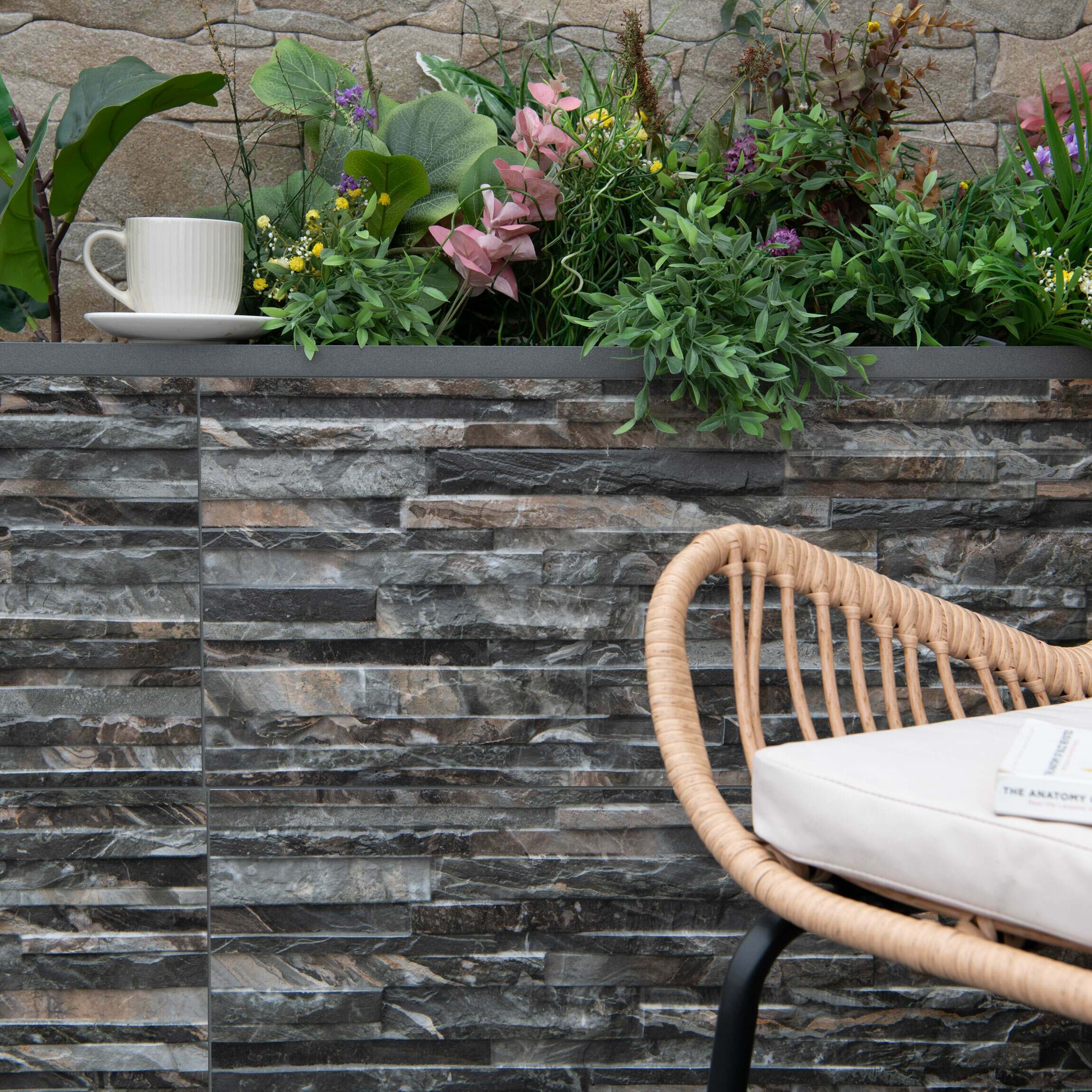
How Does Garden Style And Design Impact Material Choice?
Garden style and design influence cladding material choice by defining texture, colour, layout, and visual continuity, with modern gardens favouring composite and metal panels while traditional gardens favour timber and stone to maintain design consistency and aesthetic balance.
The impact of garden style and design on material choice is given below:
- Modern Garden Design: Select composite, metal, or porcelain cladding to achieve clean lines, uniform colour, and minimal texture variation.
- Traditional Garden Style: Use timber or stone cladding to create natural textures, organic finishes, and classic visual appearance.
- Contemporary Landscape Layout: Choose large-format panels or smooth finishes to maintain visual continuity and reduce joint visibility.
- Rustic Garden Design: Select timber or rough stone cladding to enhance natural character and irregular surface detailing.
- Colour Coordination Requirement: Match cladding colour with paving, fencing, and planting schemes to maintain visual harmony across garden elements.
- Feature Wall Integration: Use textured or contrasting cladding materials to create focal points within garden layouts.
- Space Perception Impact: Light-coloured cladding increases visual space, while darker finishes create depth and contrast in outdoor areas.
What Climate And Weather Considerations Apply To Wall Cladding?
Climate and weather conditions determine garden wall cladding performance through moisture exposure, UV intensity, temperature variation, and wind load, with correct material selection reducing weather-related deterioration by 30–60% and extending outdoor wall lifespan.
The climate and weather considerations for garden wall cladding are given below:
- Rainfall And Moisture Exposure: Select water-resistant materials such as composite, porcelain, or stone to prevent water absorption, staining, and surface degradation.
- UV Radiation Exposure: Choose UV-stable materials such as composite, metal, or treated timber to reduce colour fading and surface breakdown under sunlight.
- Temperature Fluctuation Impact: Use materials with low thermal expansion such as fibre cement or composite to prevent cracking and joint failure.
- Freeze–Thaw Conditions: Select low-porosity materials such as porcelain or treated stone to avoid expansion damage caused by freezing moisture.
- Wind Load Resistance: Use high-strength materials such as metal or fibre cement with secure fixing systems to withstand wind pressure and panel movement.
- Humidity Level Influence: Choose non-porous materials such as uPVC or composite to reduce swelling, mould growth, and moisture retention.
- Soil And Ground Contact: Avoid untreated timber near ground level due to moisture exposure and select durable materials such as composite or stone for base areas.
How Do You Install Garden Wall Cladding?
Garden wall cladding installation requires a 7-step process including surface preparation, batten fixing, membrane installation, ventilation gap creation, panel fixing, joint sealing, and finishing, with correct installation improving durability by 20–40% and preventing moisture-related damage.
The installation steps for garden wall cladding are given below:
- Prepare Wall Surface: Clean, dry, and level the wall to remove debris and ensure a stable base for cladding installation.
- Install Support Battens: Fix timber or metal battens at 400–600 mm spacing to create a structural framework for cladding panels.
- Apply Protective Membrane: Install a breathable waterproof membrane to prevent water ingress while allowing internal moisture to escape.
- Create Ventilation Gap: Maintain a 25–50 mm cavity between wall and cladding to enable airflow and reduce condensation buildup.
- Fix Cladding Panels: Attach panels using screws, clips, or adhesive systems depending on material type and installation method.
- Seal Joints And Edges: Apply trims and sealants to protect edges, joints, and exposed areas from water penetration.
- Complete Finishing Details: Install corner trims, base profiles, and protective elements to ensure structural stability and consistent appearance.
What Preparation Is Required Before Installation?
Garden wall cladding installation requires 6 preparation steps including wall assessment, surface repair, moisture control, batten planning, ventilation design, and material acclimatisation, with correct preparation reducing installation defects by 30–50% and improving long-term durability.
The preparation steps before installing garden wall cladding are given below:
- Assess Wall Condition: Inspect the garden wall for cracks, dampness, and structural weakness to ensure a stable base for cladding systems.
- Repair Surface Defects: Fill cracks, remove loose material, and level uneven areas to prevent panel misalignment and fixing failure.
- Control Moisture Levels: Ensure the wall surface is dry and install damp-proof layers where required to prevent trapped moisture behind cladding.
- Plan Batten Layout: Mark vertical or horizontal batten spacing based on panel dimensions to ensure proper structural support.
- Design Ventilation Gap: Maintain a 25–50 mm cavity to enable airflow and reduce condensation buildup behind cladding panels.
- Check Drainage Path: Ensure base-level drainage to prevent water accumulation near the bottom of the wall.
- Acclimatise Materials: Store cladding panels on-site for 24–48 hours to stabilise temperature and moisture content before installation.
How Do You Ensure Proper Drainage Behind Cladding?
Proper drainage behind garden wall cladding requires a ventilated cavity, drainage pathways, moisture barriers, and controlled water runoff, with correct design reducing water retention by 40–70% and preventing long-term structural damage.

The drainage methods behind garden wall cladding are given below:
- Create Ventilated Cavity: Maintain a 25–50 mm gap between wall and cladding to allow airflow and enable water evaporation.
- Install Breather Membrane: Fix a breathable waterproof membrane to block water ingress while allowing internal moisture to escape.
- Provide Drainage Openings: Leave gaps at the base of cladding systems to allow trapped water to exit and prevent accumulation.
- Use Drip Edges And Flashings: Install drip profiles and flashing systems to direct water away from the wall surface and cladding joints.
- Ensure Proper Batten Alignment: Install vertical battens to create continuous drainage channels for water movement behind panels.
- Slope Horizontal Surfaces: Angle horizontal trims and ledges to direct water runoff away from the wall structure.
- Avoid Sealed Cavities: Prevent fully enclosed spaces behind cladding to eliminate moisture trapping and condensation buildup.
How Much Does Garden Wall Cladding Cost In The UK?
Garden wall cladding cost in the UK ranges between £40 and £250+ per square metre depending on material type, installation complexity, maintenance level, and durability performance, with uPVC and timber at the lower range and stone or metal cladding at the premium end.
The garden wall cladding cost breakdown in the UK is given below:
- uPVC Garden Wall Cladding Cost: £40–£70/m². Lightweight plastic panels provide the lowest-cost outdoor cladding solution with minimal maintenance requirements.
- Timber Garden Wall Cladding Cost: £45–£120/m². Softwood systems remain lower cost, while cedar and hardwood increase pricing due to durability and natural appearance.
- Shiplap Cladding Cost: £50–£110/m². Overlapping timber or composite boards provide weather-resistant outdoor finishes with moderate installation cost.
- Composite Garden Wall Cladding Cost: £80–£150/m². Engineered wood–plastic panels increase cost due to moisture resistance and low maintenance performance.
- Brick Slip Garden Wall Cladding Cost: £80–£150/m². Thin brick systems provide traditional brick appearance with reduced structural load and installation complexity.
- Fibre Cement Garden Wall Cladding Cost: £90–£140/m². Cement-based panels increase cost due to fire resistance and weather durability.
- Metal Garden Wall Cladding Cost: £100–£200/m². Aluminium and steel systems increase cost due to fabrication and corrosion-resistant finishes.
- Stone Garden Wall Cladding Cost: £120–£250+/m². Natural and engineered stone panels represent the highest cost due to material density and installation complexity.
- Installation Labour Cost: £20–£60/m². Labour cost varies based on wall access, fixing method, and cladding material weight.
How Do Cladding Material Costs Vary By Quality?
Garden wall cladding material costs vary by quality through differences in density, durability, finish quality, weather resistance, and lifespan, with economy materials starting near £40/m² and premium cladding systems exceeding £250/m² due to advanced manufacturing and long-term performance.
The material cost variations by quality are given below:
- Economy Quality Cladding: £40–£70/m². Basic uPVC and low-density timber panels provide low-cost outdoor coverage with shorter lifespan and limited finish variation.
- Standard Quality Cladding: £70–£120/m². Mid-range timber, shiplap, and composite panels provide balanced durability, weather resistance, and moderate maintenance requirements.
- Premium Composite Cladding: £120–£180/m². High-density composite boards increase cost due to UV resistance, colour stability, and low moisture absorption.
- Premium Timber Cladding: £100–£180/m². Cedar, hardwood, and thermally modified timber increase pricing due to natural durability and enhanced outdoor performance.
- Architectural Metal Cladding: £120–£220/m². Aluminium and zinc systems increase cost due to corrosion-resistant coatings and fabrication precision.
- Natural Stone Cladding: £150–£250+/m². High-density stone panels represent the premium segment due to extraction, processing, and installation complexity.
- Finish Quality Impact: Textured, brushed, UV-coated, and colour-stable finishes increase cost by 15–40% compared to standard surface treatments.
- Lifespan Value Difference: Premium materials extend lifespan to 40–100 years, reducing long-term replacement and maintenance cost compared to economy systems lasting 15–30 years.
What Installation Labour Costs Should You Expect?
Garden wall cladding installation labour in the UK costs between £20 and £60 per square metre depending on material type, wall condition, access difficulty, and fixing method, with complex installations increasing labour cost to £70–£100 per m² for premium systems.
The installation labour cost factors for garden wall cladding are given below:
- Basic Labour Cost: £20–£35/m². Simple installations using uPVC or lightweight composite panels with standard fixing systems.
- Mid-Range Labour Cost: £35–£60/m². Timber, shiplap, and fibre cement cladding require additional cutting, alignment, and finishing work.
- Premium Labour Cost: £60–£100/m². Stone, metal, and custom cladding systems increase labour cost due to weight, specialised tools, and structural support requirements.
- Wall Preparation Impact: Uneven or damaged walls increase labour cost by 10–30% due to repair, levelling, and moisture treatment work.
- Access Difficulty Influence: Restricted access, elevated walls, or complex garden layouts increase labour cost through additional installation time and equipment use.
- Fixing Method Variation: Mechanical fixing systems increase labour time compared to adhesive installations due to drilling and structural alignment requirements.
- Design Complexity Cost: Vertical layouts, patterns, and detailed trim work increase labour cost by 15–40% due to precision cutting and finishing.
- Project Scale Efficiency: Larger garden wall projects reduce labour cost per m² by 10–25% through repetitive workflow efficiency and reduced setup time.
How Much Can You Save With DIY Installation?
DIY garden wall cladding installation saves 40–70% of total project cost by eliminating labour charges of £20–£60 per m², with total savings ranging between £400 and £2,000 depending on wall size and material type.
The cost savings from DIY installation are given below:
- Labour Cost Elimination: DIY installation removes labour cost of £20–£60/m², forming the largest portion of total savings.
- Total Project Savings: A 20 m² garden wall saves £400–£1,200, while a 40 m² project saves £800–£2,400 depending on material and complexity.
- Material-Only Cost Structure: DIY projects focus on material cost between £40–£250/m² without additional labour expense.
- Tool Investment Requirement: Basic tools such as drills, saws, and levels add £50–£200 initial cost, reducing net savings slightly.
- Time Investment Factor: DIY installation increases project duration by 30–100% compared to professional installation due to skill level and experience.
- Error Risk Cost: Incorrect installation increases repair cost by 10–30% due to misalignment, poor sealing, or structural issues.
- Suitable Material Selection: Lightweight materials such as uPVC, shiplap, and composite panels reduce installation difficulty and improve DIY success rate.
What Return On Investment Does Garden Cladding Provide?
Garden wall cladding delivers a return on investment of 50–80% through increased property value, reduced maintenance cost, and improved outdoor usability, with garden upgrades increasing property appeal and supporting value growth of 3–10% in residential markets.
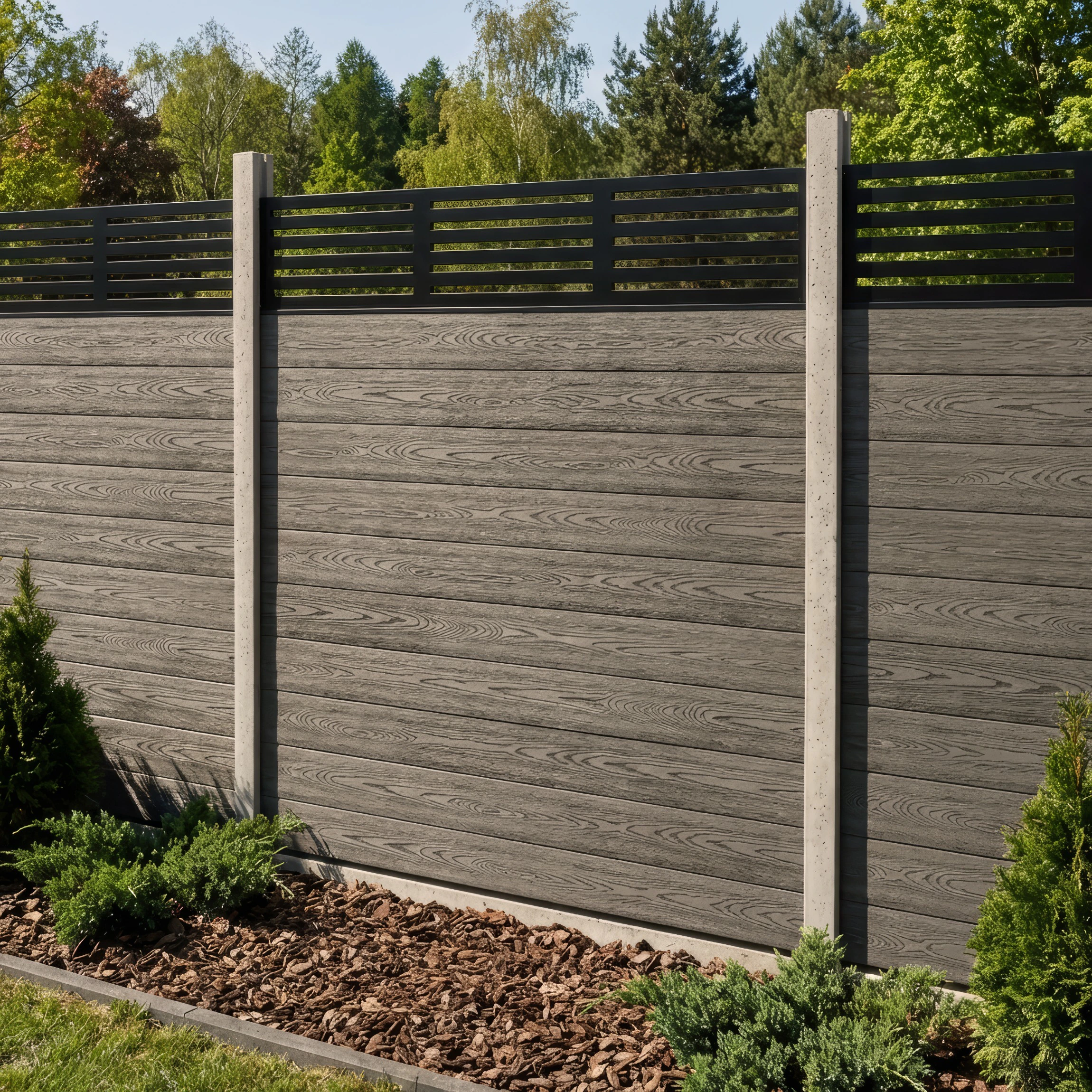
The return on investment factors for garden wall cladding are given below:
- Property Value Increase: Garden wall cladding improves exterior presentation and perceived quality, increasing property value by 3–10% depending on design and material quality.
- Maintenance Cost Reduction: Durable materials reduce repainting and repair frequency, lowering long-term maintenance cost by 20–40%.
- Extended Wall Lifespan: Cladding protects underlying walls from moisture and weather exposure, increasing structural lifespan by 20–50%.
- Outdoor Space Enhancement: Improved garden aesthetics increase usability and functionality, adding practical value to outdoor living areas.
- Buyer Appeal Increase: Modern garden finishes improve marketability, attracting more buyers and reducing property selling time.
- Weather Damage Reduction: Cladding reduces environmental damage by 30–60%, lowering future repair and restoration costs.
- Long-Term Cost Efficiency: Low-maintenance materials such as composite and stone reduce lifecycle cost despite higher initial investment.
How Do You Maintain Garden Wall Cladding?
Garden wall cladding maintenance requires regular cleaning, surface inspection, moisture control, and material-specific treatment, with correct maintenance extending lifespan by 20–50% and reducing repair frequency across outdoor wall systems.
The maintenance methods for garden wall cladding are given below:
- Clean Cladding Surfaces: Wash panels 2–3 times per year using water and mild detergent to remove dirt, algae, and surface contaminants.
- Inspect For Damage: Check for cracks, loose panels, or joint gaps annually to prevent structural issues and water ingress.
- Control Moisture Exposure: Ensure drainage pathways remain clear and prevent water accumulation at the base of cladding systems.
- Maintain Protective Coatings: Apply sealants, stains, or protective finishes to timber and porous materials every 3–5 years.
- Remove Biological Growth: Treat mould, algae, and moss using appropriate cleaners to prevent surface staining and moisture retention.
- Check Fixings And Joints: Tighten screws, clips, and repair sealants to maintain structural stability and weather resistance.
- Ensure Ventilation Gap Function: Keep airflow behind cladding unobstructed to reduce condensation and material deterioration.
How Often Should Garden Cladding Be Cleaned?
Garden wall cladding requires cleaning 2–3 times per year under normal conditions, with high-exposure areas requiring 3–4 cleanings annually to remove dirt, algae, and environmental buildup and maintain surface durability and appearance.
The cleaning frequency for garden wall cladding is given below:
- Standard Cleaning Frequency: Clean cladding every 4–6 months to remove dirt, dust, and organic buildup from outdoor exposure.
- High Moisture Areas: Clean 3–4 times per year in shaded or damp environments where algae and mould growth increase.
- Low Exposure Areas: Clean 1–2 times per year in sheltered locations with limited rain and debris accumulation.
- Timber Cladding Maintenance: Clean every 4–6 months and inspect before applying protective treatments every 3–5 years.
- Composite And uPVC Cladding: Clean 1–2 times per year due to lower dirt absorption and moisture resistance.
- Post-Season Cleaning: Clean after winter and autumn seasons to remove moisture buildup, leaves, and debris.
- Pollution And Dust Exposure: Increase cleaning frequency in urban or dusty environments to maintain surface finish and prevent staining.
How Do You Maintain Composite Garden Cladding?
Composite garden cladding maintenance requires periodic cleaning, surface inspection, drainage control, and joint maintenance, with correct care extending lifespan to 25–40 years and reducing maintenance effort by 30–60% compared to natural timber systems.
The maintenance methods for composite garden cladding are given below:
- Clean Surface Periodically: Wash composite panels 1–2 times per year using water and mild detergent to remove dirt, algae, and debris buildup.
- Remove Surface Stains: Clean spills, marks, and organic residue promptly to prevent staining and maintain surface appearance.
- Inspect Panels And Fixings: Check for loose boards, damaged panels, or fixing issues annually to ensure structural stability.
- Maintain Drainage Pathways: Keep base gaps and drainage channels clear to prevent water accumulation behind cladding.
- Check Expansion Gaps: Ensure 2–5 mm movement gaps remain unobstructed to allow thermal expansion and prevent warping.
- Prevent Mechanical Damage: Avoid heavy impact or abrasive cleaning methods to protect surface coating and structural integrity.
- Avoid Chemical Exposure: Use non-abrasive and non-corrosive cleaners to maintain surface finish and material performance.
How Do You Repair Damaged Garden Cladding?
Repairing damaged garden cladding requires a 6-step process including damage assessment, panel removal, substrate inspection, replacement installation, joint sealing, and surface finishing, with timely repair preventing 30–50% further structural deterioration and moisture ingress.
The repair steps for damaged garden cladding are given below:
- Assess Damage Level: Identify cracks, warping, loose panels, or moisture damage to determine repair scope and material replacement requirements.
- Remove Damaged Panels: Detach affected boards or panels carefully without disturbing surrounding cladding to maintain structural alignment.
- Inspect Underlying Structure: Check battens, fixings, and wall surface for moisture damage, rot, or instability before installing new panels.
- Replace With Matching Panels: Install new cladding panels with identical material, size, and finish to maintain visual consistency.
- Secure Fixings Properly: Use appropriate screws, clips, or adhesives to ensure strong attachment and prevent future panel movement.
- Seal Joints And Edges: Apply sealants, trims, or joint compounds to prevent water ingress and restore weather resistance.
- Restore Surface Finish: Reapply coatings, paint, or protective treatments where required to match surrounding cladding appearance.
When Should You Replace Garden Wall Cladding?
Garden wall cladding requires replacement when structural damage, moisture penetration, surface degradation, or lifespan limits reduce performance, with replacement typically needed after 20–40 years for standard materials and earlier if damage exceeds 30% of the surface area.
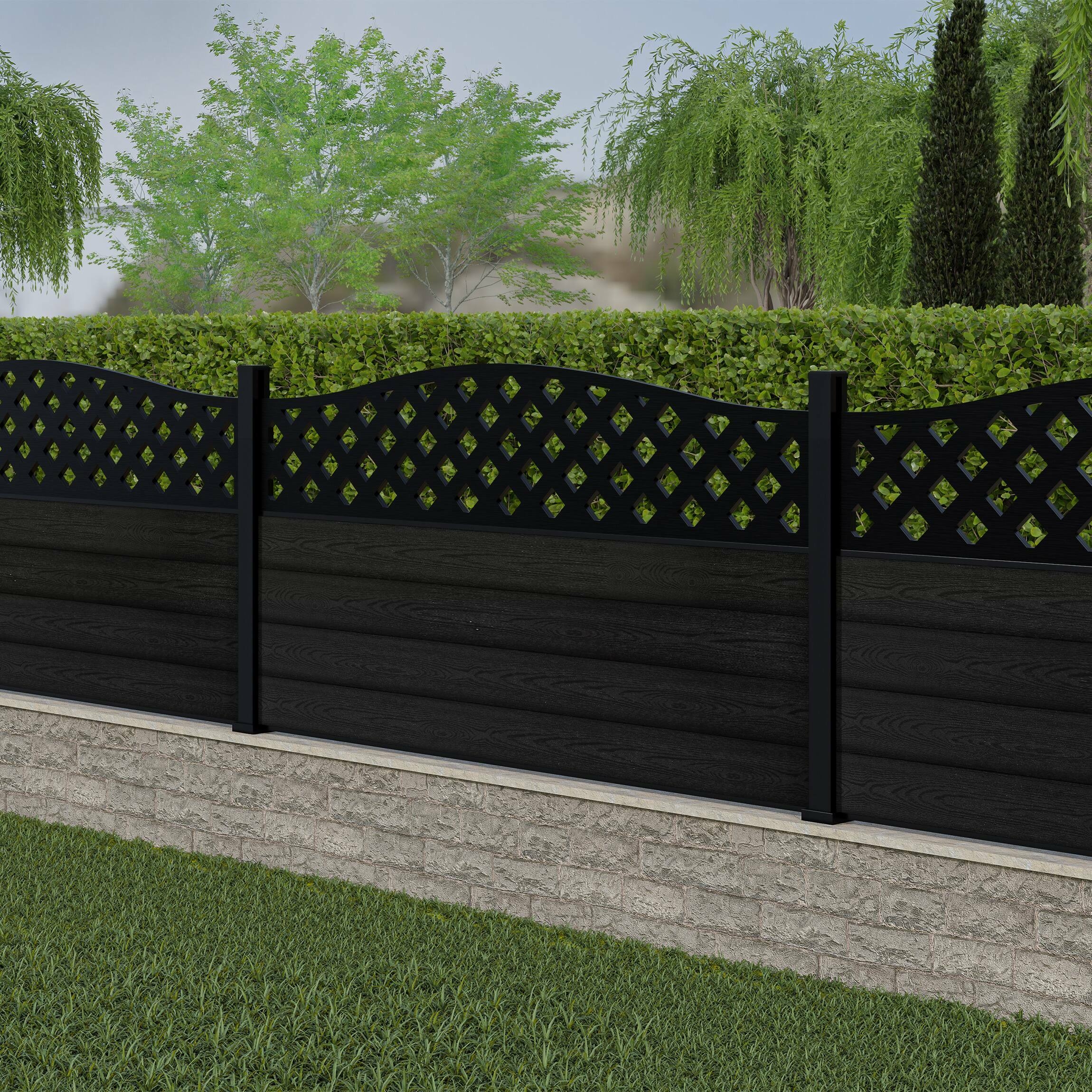
The conditions for replacing garden wall cladding are given below:
- Severe Structural Damage: Replace cladding when panels show extensive cracking, warping, or detachment affecting structural stability.
- Moisture Penetration Issues: Replace cladding when persistent dampness, mould, or water ingress occurs behind panels despite repairs.
- Surface Degradation: Replace cladding when fading, peeling, or erosion reduces protective performance and visual quality.
- End Of Lifespan: Replace materials such as uPVC or low-density timber after 20–30 years, while composite or stone may last longer.
- Frequent Repair Requirement: Replace cladding when repair frequency increases beyond cost-effective maintenance levels.
- Fixing System Failure: Replace cladding when battens, fixings, or support structures show significant deterioration or instability.
- Design Or Upgrade Requirement: Replace cladding during renovation to improve durability, insulation, or aesthetic performance.
What Impact Does Weather Have On Garden Cladding Durability?
Weather conditions impact garden cladding durability by influencing moisture exposure, UV degradation, temperature movement, and wind stress, with harsh environments reducing lifespan by 20–40% if cladding materials lack resistance to specific environmental conditions.
The impact of weather on garden cladding durability is given below:
- Rain And Moisture Exposure: High rainfall increases water absorption risk, causing rot in timber and joint failure in poorly sealed cladding systems.
- UV Radiation Effect: Prolonged sunlight exposure causes colour fading and surface breakdown in plastic and untreated timber materials.
- Temperature Variation Impact: Expansion and contraction cycles cause cracking, warping, and joint separation in materials with high thermal movement.
- Freeze–Thaw Damage: Water trapped in porous materials expands during freezing, leading to cracks and surface deterioration.
- Wind Load Pressure: Strong winds create mechanical stress on panels and fixings, increasing risk of loosening or structural failure.
- Humidity Influence: High humidity promotes mould growth and swelling in timber-based cladding systems.
- Coastal Salt Exposure: Salt air accelerates corrosion in metal cladding without protective coatings, reducing structural lifespan.
How Do UK Climate Conditions Affect Different Materials?
UK climate conditions affect garden wall cladding materials through high rainfall, humidity, temperature fluctuation, and limited sunlight, with moisture-resistant and low-porosity materials outperforming untreated timber by extending durability by 20–40% under continuous exposure.
The impact of UK climate conditions on different cladding materials is given below:
- Timber Cladding Performance: High rainfall and humidity increase moisture absorption, causing swelling, rot, and surface degradation without regular treatment every 3–5 years.
- Composite Cladding Performance: Composite materials resist moisture and maintain dimensional stability, performing consistently in wet and variable UK weather conditions.
- uPVC Cladding Performance: uPVC panels resist water penetration and humidity, maintaining durability with minimal maintenance in damp environments.
- Fibre Cement Cladding Performance: Fibre cement panels provide strong resistance to moisture, frost, and temperature variation, maintaining structural stability over long periods.
- Metal Cladding Performance: Metal panels resist moisture but require protective coatings to prevent corrosion in coastal or high-humidity areas.
- Stone Cladding Performance: Stone materials resist weather exposure and maintain durability under rain and frost, offering long-term performance with minimal maintenance.
- Porcelain Cladding Performance: Porcelain panels provide low water absorption and high frost resistance, maintaining surface integrity under freeze–thaw cycles.
What Design Aesthetics Are Possible With Garden Cladding?
Garden wall cladding enables multiple design aesthetics including modern, traditional, rustic, industrial, and contemporary styles, with material choice, colour variation, texture, and layout determining visual impact and spatial perception across outdoor environments.
The design aesthetics possible with garden wall cladding are given below:
- Modern Aesthetic: Use composite, metal, or porcelain panels with smooth finishes and neutral colours to create clean lines and minimalistic outdoor spaces.
- Traditional Aesthetic: Use timber or brick slip cladding to replicate classic garden designs with natural textures and warm tones.
- Rustic Aesthetic: Use rough stone or untreated timber cladding to create organic textures and irregular finishes for natural garden settings.
- Industrial Aesthetic: Use metal cladding or concrete-effect panels to achieve raw finishes and structured geometric layouts.
- Contemporary Aesthetic: Combine mixed materials such as wood-effect composite and stone panels to create contrast and layered visual depth.
- Feature Wall Design: Use contrasting colours, vertical slats, or textured wall panels to create focal points within garden layouts.
- Colour And Texture Variation: Select light colours to expand visual space or darker tones to create depth and contrast across outdoor walls.
What Modern Garden Cladding Designs Are Trending?
Modern garden cladding trends focus on clean architectural lines, mixed-material façades, textured surfaces, and low-maintenance finishes, with composite slats, dark timber, stone-effect panels, and vertical layouts dominating contemporary UK garden design aesthetics.
The trending modern garden cladding designs are given below:
- Vertical Slatted Cladding: Vertical composite and timber slats create contemporary linear aesthetics with increased visual height and architectural depth.
- Black And Anthracite Finishes: Dark cladding colours such as black, charcoal, and anthracite increase contrast and modernise outdoor spaces through minimalist visual styling.
- Mixed-Material Designs: Combined stone, timber, metal, and render systems create layered façades with stronger texture variation and visual balance.
- Textured Stone Cladding: Dry-stack stone and split-face panels remain popular for feature walls due to natural depth and structured outdoor appearance.
- Low-Maintenance Composite Cladding: Composite garden cladding continues growing in popularity due to UV stability, moisture resistance, and reduced maintenance requirements.
- Indoor–Outdoor Continuity: Matching cladding tones across garden walls, paving, and outdoor rooms create continuous visual flow between interior and exterior spaces.
- Warm Neutral Colour Palettes: Earthy tones such as soft grey, sand, taupe, and muted wood finishes dominate modern outdoor cladding palettes.
How Does Garden Wall Cladding Create Privacy?
Garden wall cladding creates privacy by forming solid visual barriers, increasing wall height perception, reducing sightlines, and blocking gaps in existing structures, with cladding systems improving privacy levels by 60–100% depending on material density and installation design.

The ways garden wall cladding creates privacy are given below:
- Block Direct Sightlines: Garden wall cladding forms continuous surfaces that prevent visibility into outdoor spaces from neighbouring properties.
- Increase Wall Height Perception: Vertical cladding designs visually extend wall height, improving perceived enclosure without structural extension.
- Eliminate Gaps And Openings: Cladding covers joints, cracks, and uneven surfaces that allow visibility through existing walls or fencing.
- Use Solid Panel Systems: Dense materials such as composite, stone, and metal create complete visual barriers compared to open slat systems.
- Apply Vertical Slatted Designs: Adjustable slatted cladding controls visibility angles, reducing direct line-of-sight while maintaining airflow.
- Enhance Acoustic Privacy: High-density cladding materials reduce noise transmission by 20–40%, improving sound privacy in outdoor areas.
- Define Private Zones: Cladding creates enclosed sections within gardens, separating seating, dining, and recreational areas for controlled privacy.
What Garden Cladding Mistakes Should You Avoid?
Common garden cladding mistakes include poor material selection, lack of ventilation, incorrect fixing, inadequate drainage, and ignoring climate conditions, with such errors increasing failure risk by 30–60% and reducing cladding lifespan and weather resistance.
The garden cladding mistakes to avoid are given below:
- Choose Incorrect Material: Selecting materials without moisture or UV resistance leads to premature degradation in outdoor environments.
- Ignore Ventilation Gap: Absence of a 25–50 mm cavity traps moisture behind cladding, causing mould growth and structural damage.
- Use Improper Fixings: Incorrect screws or fixing systems reduce load capacity and increase risk of panel movement or detachment.
- Fail To Ensure Proper Drainage: Lack of drainage pathways causes water accumulation, leading to rot, staining, and surface deterioration.
- Skip Surface Preparation: Uneven or damp walls create alignment issues and reduce fixing strength, causing long-term instability.
- Ignore Expansion Gaps: Absence of 2–5 mm movement gaps causes warping and cracking due to temperature changes.
- Install Without Weather Planning: Installation during wet or extreme conditions reduces adhesion and increases risk of defects.
- Neglect Maintenance Planning: Failure to plan cleaning and treatment cycles increases long-term damage and repair costs.
How Do You Prevent Poor Installation Practices?
Preventing poor garden wall cladding installation requires structured planning, correct material handling, adherence to fixing standards, and quality control checks, with proper practices reducing installation defects by 30–50% and improving long-term durability.
The methods to prevent poor installation practices are given below:
- Follow Installation Guidelines: Use manufacturer specifications for fixing methods, spacing, and alignment to ensure correct system performance.
- Prepare Wall Surface Properly: Clean, dry, and level the wall before installation to prevent misalignment and weak fixing points.
- Maintain Ventilation Gap: Ensure a 25–50 mm cavity behind cladding to allow airflow and prevent moisture buildup.
- Use Correct Fixings: Select appropriate screws, clips, or adhesives based on material type to ensure structural stability.
- Allow Expansion Gaps: Maintain 2–5 mm gaps between panels to accommodate thermal movement and prevent warping.
- Install Drainage Systems: Create base openings and drainage channels to prevent water accumulation behind cladding.
- Check Panel Alignment: Align panels accurately during installation to maintain structural integrity and visual consistency.
- Use Skilled Installers: Engage experienced professionals to ensure compliance with installation standards and avoid common errors.
How Do You Plan a Garden Wall Cladding Project?
Planning a garden wall cladding project requires a 7-step process including requirement definition, material selection, budget allocation, layout design, drainage planning, installer selection, and timeline scheduling, with structured planning reducing cost overruns by 20–30% and improving installation efficiency.
The planning steps for a garden wall cladding project are given below:
- Define Project Objective: Identify goals such as privacy improvement, weather protection, or aesthetic enhancement to guide material and design decisions.
- Select Cladding Material: Choose materials based on durability, weather resistance, maintenance level, and design requirement for outdoor performance.
- Set Budget Allocation: Define total budget covering material cost, labour, tools, and contingency to control project expenditure.
- Design Cladding Layout: Plan panel orientation, joint spacing, and feature wall positioning to ensure structural alignment and visual consistency.
- Plan Drainage And Ventilation: Incorporate a 25–50 mm cavity and drainage pathways to prevent moisture buildup behind cladding.
- Choose Installation Method: Decide between DIY installation or professional contractors based on project complexity and skill level.
- Schedule Project Timeline: Organise material delivery, labour availability, and installation phases to avoid delays and cost increases.
How Does Garden Cladding Compare To Fencing?
Garden wall cladding differs from fencing by providing a solid, durable wall covering system with higher longevity and lower maintenance, while fencing offers lightweight boundary definition with lower cost but shorter lifespan and reduced structural protection.
The comparison between garden cladding and fencing is given below:
- Structural Function Difference: Garden wall cladding covers existing walls to enhance durability and protection, while fencing creates boundary separation using standalone structures.
- Durability Comparison: Cladding materials such as composite, stone, and metal last 25–100 years, while timber fencing typically lasts 10–20 years depending on maintenance.
- Cost Comparison: Cladding costs £40–£250+/m², while fencing costs £20–£80/m² depending on material and installation complexity.
- Maintenance Requirement Difference: Cladding requires low to moderate maintenance depending on material, while fencing requires frequent treatment and repair every 2–5 years.
- Weather Resistance Comparison: Cladding provides higher resistance to moisture, UV exposure, and wind load compared to standard fencing systems.
- Privacy Performance Difference: Cladding creates solid visual barriers, while fencing may include gaps depending on design such as slatted or panel fencing.
- Aesthetic Impact Comparison: Cladding offers wider design options including stone, composite, and metal finishes, while fencing provides simpler visual styles.
- Installation Complexity Difference: Cladding installation requires surface preparation and structural fixing, while fencing installation involves post setting and panel attachment.
Summing Up
Garden wall cladding improves durability, weather resistance, privacy, and visual appeal, with correct material choice, installation, and maintenance determining long-term performance, cost efficiency, and lifespan across outdoor wall applications.
Garden wall cladding provides a reliable way to protect outdoor walls from moisture, frost, and UV exposure while improving overall garden design. Garden wall cladding materials such as composite, stone, timber, shiplap, metal, and uPVC offer different levels of durability, maintenance, and cost, allowing selection based on performance and design needs. Garden wall cladding cost ranges between £40 and £250+ per m², with labour, material quality, and installation complexity influencing total investment.
Garden wall cladding installation depends on proper preparation, ventilation gaps, drainage systems, and secure fixing to prevent common issues such as water ingress, warping, and structural damage. Garden wall cladding maintenance varies by material, with composite and uPVC requiring minimal upkeep and timber requiring regular treatment to maintain performance. Garden wall cladding durability depends on resistance to weather conditions including rainfall, humidity, temperature changes, and wind exposure.
