
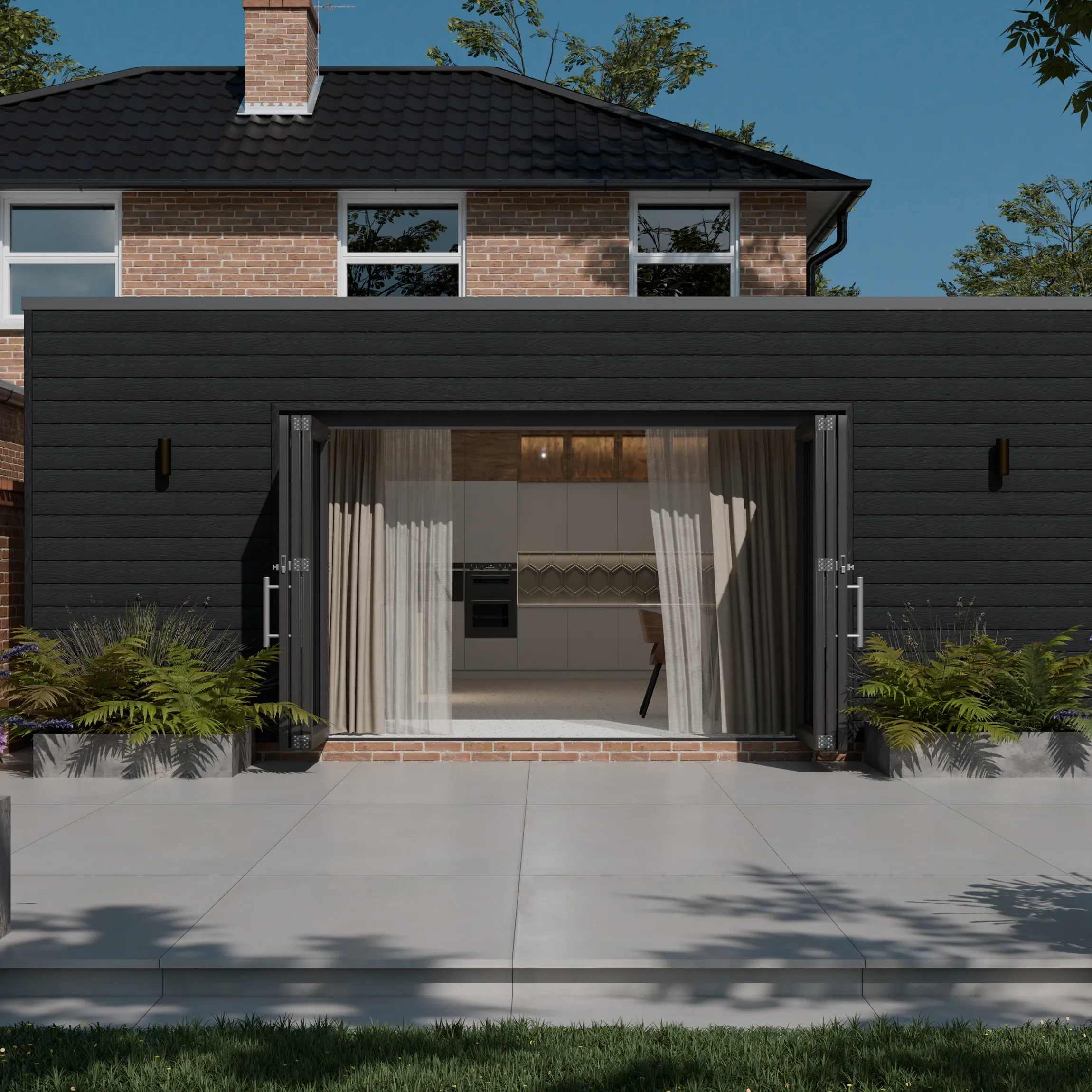
Cladding defines building protection, insulation performance, durability, and visual design, with material selection determining lifespan between 20 and 100+ years and cost ranging from £40 to £250+ per m² across residential and commercial applications.
Cladding functions as an external or internal covering system that protects structural walls from rain, wind, UV exposure, and temperature variation while improving thermal insulation and reducing heat transfer by 20–40%. Cladding materials include timber, softwood, hardwood, shiplap, composite, uPVC, fibre cement, metal, stone, brick slip, porcelain, glass, terracotta, and concrete, each varying in durability, maintenance requirements, and environmental resistance. Cladding systems include ventilated façades, insulated systems, cavity constructions, acoustic panels, fire-resistant assemblies, and waterproof solutions, each designed to improve performance and compliance.
Cladding cost varies by material density, manufacturing complexity, and installation method, with labour ranging between £20 and £60 per m² and premium systems exceeding £250 per m² due to durability and performance features. Cladding selection depends on climate conditions, fire safety requirements, maintenance level, and design objectives, ensuring alignment with environmental exposure and structural performance needs. Cladding durability ranges from 20 years for low-density materials to 100+ years for stone and metal systems, with maintenance requirements varying from minimal cleaning to regular treatment cycles.
Table of Contents
What Is Cladding?
Cladding is an external or internal covering system applied to building surfaces to provide protection, insulation, and aesthetic enhancement, using materials such as timber, metal, stone, composite, and uPVC fixed onto structural walls or frameworks.
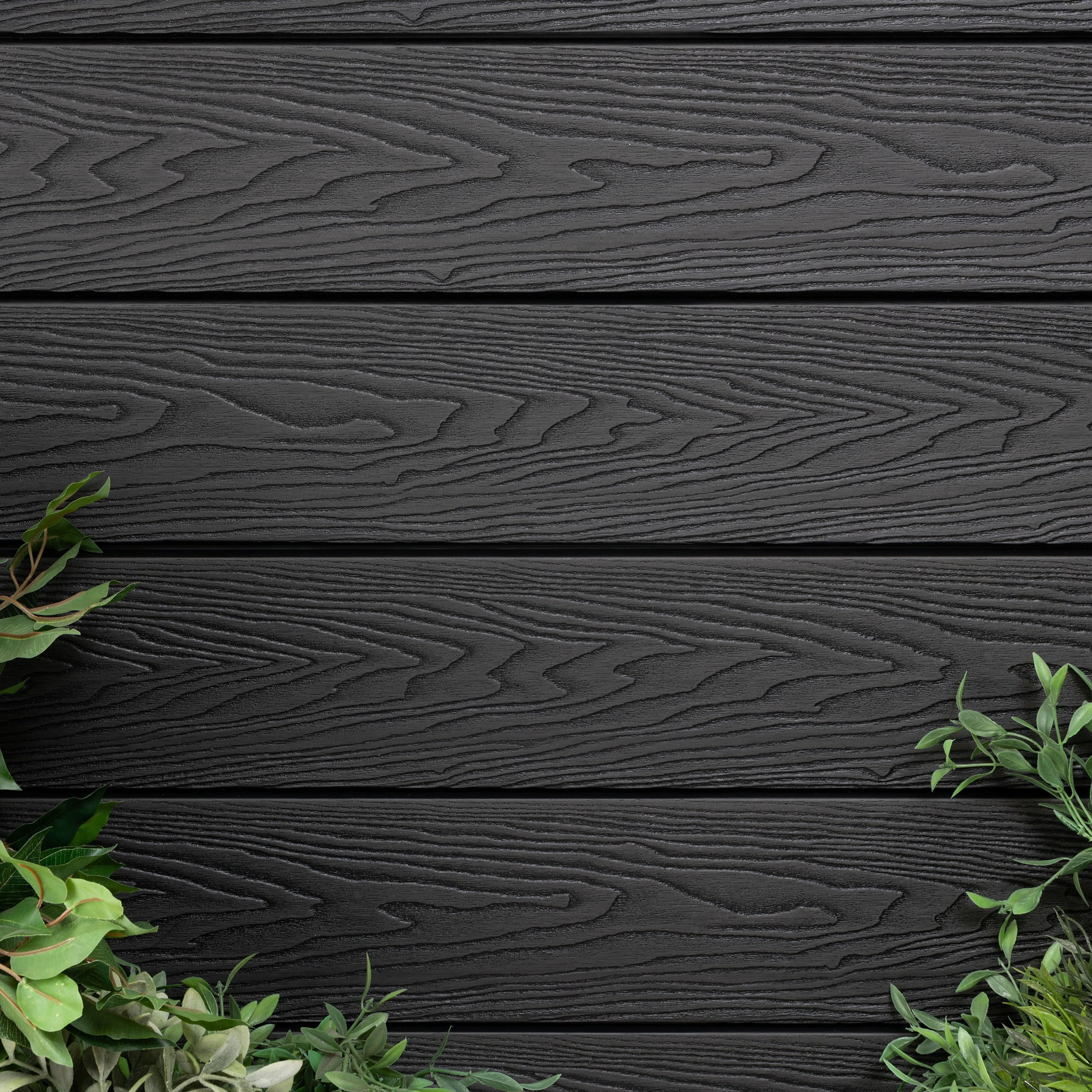
The definition and functions of cladding are given below:
- Protect Structural Surfaces: Cladding forms a barrier against rain, wind, and UV exposure, reducing environmental damage and extending building lifespan.
- Improve Thermal Insulation: Cladding reduces heat transfer through walls, improving energy efficiency and indoor temperature stability.
- Enhance Visual Appearance: Cladding provides decorative finishes such as woodgrain, stone, and metallic textures to improve façade design.
- Increase Surface Durability: Cladding materials resist impact, moisture, and weathering, improving long-term structural performance.
- Support Moisture Control: Cladding systems prevent water penetration and reduce condensation buildup behind wall surfaces.
- Enable Design Flexibility: Cladding includes multiple layouts such as vertical, horizontal, panel-based, and ventilated façade systems.
- Extend Building Lifespan: Cladding protects underlying structures from environmental stress, reducing maintenance and repair requirements.
What Are Primary Functions Of Cladding?
Cladding performs 6 primary functions including structural protection, thermal insulation, moisture control, aesthetic enhancement, durability improvement, and fire performance support, with cladding systems reducing environmental damage by 30–60% and improving overall building efficiency.
The primary functions of cladding are given below:
- Provide Structural Protection: Cladding shields walls from rain, wind, and UV exposure, reducing surface degradation and extending building lifespan.
- Improve Thermal Insulation: Cladding reduces heat transfer through external walls, improving indoor temperature stability and lowering energy consumption.
- Control Moisture Penetration: Cladding systems prevent water ingress and condensation buildup, reducing dampness and structural damage.
- Enhance Visual Appearance: Cladding improves façade design with finishes such as timber, stone, metal, and composite textures.
- Increase Surface Durability: Cladding materials resist impact, weathering, and environmental stress, improving long-term performance.
- Support Fire Performance: Cladding systems use fire-rated materials and assemblies to limit flame spread and improve building safety.
- Reduce Maintenance Requirements: Cladding protects underlying surfaces, lowering repainting and repair frequency over time.
What Are The Main Types Of Cladding?
Cladding types include more than 20 material categories such as timber, metal, stone, composite, fibre cement, uPVC, brick slip, and porcelain, each defined by durability, maintenance level, weather resistance, and architectural application across residential and commercial buildings.
Timber Cladding
Timber cladding uses natural wood boards such as cedar, larch, and oak to provide organic appearance with moderate durability and regular maintenance requirements.
Softwood Cladding
Softwood cladding uses pine or spruce boards to provide cost-effective solutions with shorter lifespan and higher maintenance frequency.
Hardwood Cladding
Hardwood cladding uses dense wood such as oak or iroko to provide high durability and extended lifespan with lower maintenance frequency.
Shiplap Cladding
Shiplap cladding panels uses overlapping horizontal boards to improve water runoff and create uniform exterior finishes.
Tongue And Groove Cladding
Tongue and groove cladding uses interlocking boards to create tight joints and smooth surface finishes for walls.
Composite Cladding
Composite cladding combines wood fibres and polymers to provide moisture resistance, durability, and low maintenance performance.
uPVC Cladding
uPVC cladding uses lightweight plastic panels to provide waterproof, low-cost, and low-maintenance exterior covering.
Fibre Cement Cladding
Fibre cement cladding uses cement, sand, and cellulose fibres to provide fire resistance and high durability.
Metal Cladding
Metal cladding uses aluminium, steel, zinc, or copper panels to provide strength, corrosion resistance, and modern finishes.
Aluminium Cladding
Aluminium cladding provides lightweight, corrosion-resistant panels suitable for residential and commercial façades.
Steel Cladding
Steel cladding provides high strength and impact resistance for industrial and commercial applications.
Zinc Cladding
Zinc cladding forms a protective patina, providing long lifespan and minimal maintenance.
Copper Cladding
Copper cladding develops natural patina and provides premium durability and architectural appearance.
Aluminium Composite Panels (ACP)
ACP cladding uses layered aluminium panels with core material to provide lightweight and modern façade systems.
Stone Cladding
Stone cladding uses natural or engineered stone to provide high durability and premium visual appearance.
Natural Stone Cladding
Natural stone cladding uses materials such as slate, granite, and limestone to provide long-term durability and texture.
Engineered Stone Cladding
Engineered stone cladding uses manufactured stone panels to replicate natural textures with lower weight.
Brick Slip Cladding
Brick slip cladding uses thin brick sections to replicate traditional brickwork with reduced structural load.
Render Cladding Systems
Render cladding uses cement or polymer coatings to provide smooth or textured wall finishes.
External Wall Insulation (EWI) Cladding
EWI cladding combines insulation boards with render or panels to improve thermal performance.
Porcelain Cladding
Porcelain cladding uses high-density ceramic panels to provide low water absorption and high durability.
Glass Cladding
Glass cladding uses toughened or laminated glass panels to provide modern, reflective building façades.
Terracotta Cladding
Terracotta cladding uses fired clay panels to provide breathable and durable façade systems.
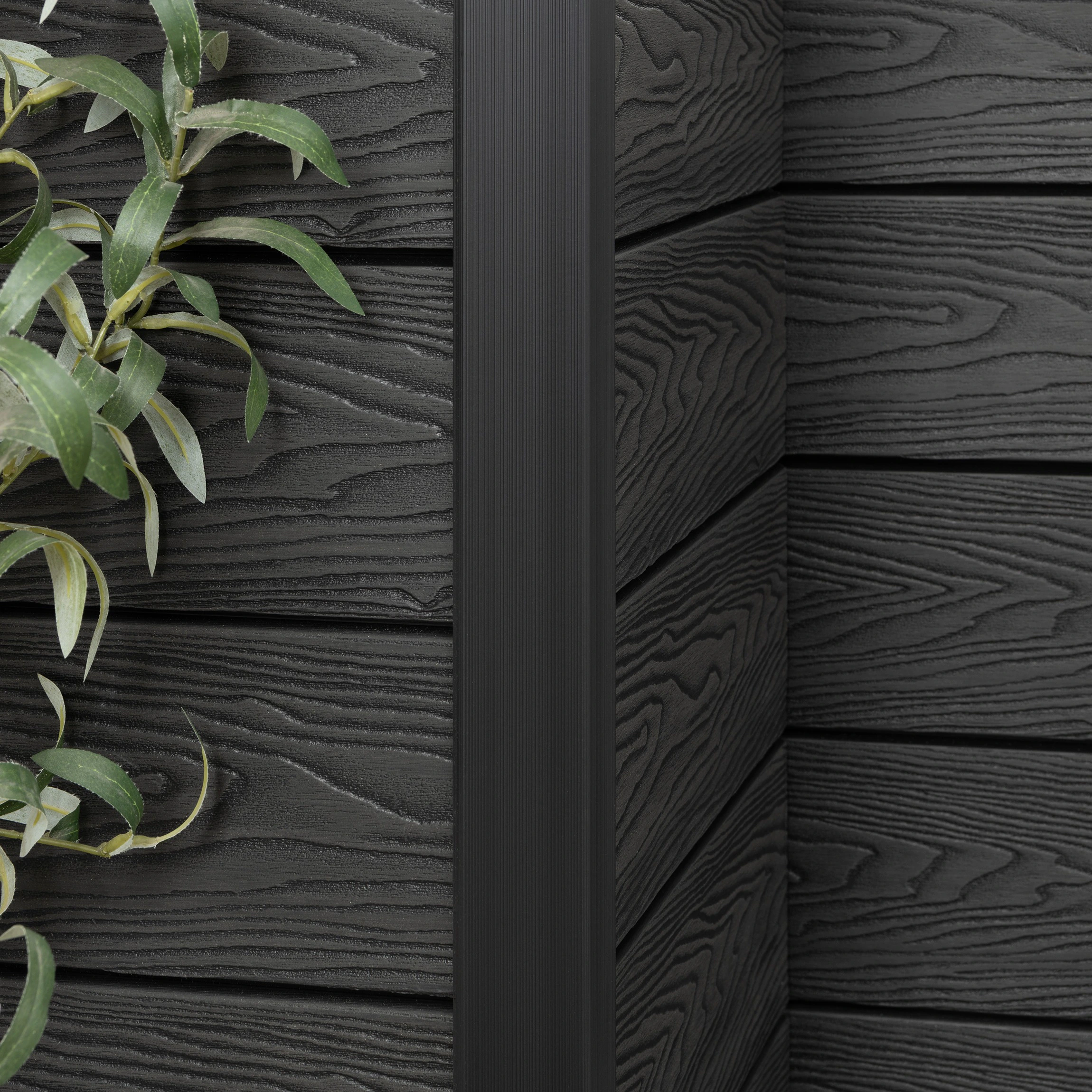
Concrete Cladding
Concrete cladding uses precast panels to provide structural strength and industrial aesthetic finishes.
High-Pressure Laminate (HPL) Cladding
HPL cladding uses resin-based laminate panels to provide impact resistance and decorative finishes.
Corrugated Cladding
Corrugated cladding uses profiled sheets to increase strength and drainage performance in industrial settings.
Standing Seam Cladding
Standing seam cladding uses interlocking metal panels to provide weather-tight and modern vertical designs.
PVC Cladding
PVC cladding uses plastic panels to provide cost-effective and moisture-resistant wall covering solutions.
WPC Cladding
WPC cladding uses wood–plastic composite materials to provide durability and moisture resistance with wood-effect appearance.
What Are The Main Categories Of Cladding Types?
Cladding types are categorised into 6 main groups including timber, metal, stone, composite, uPVC, and fibre cement, with each category defined by material composition, durability, maintenance level, and application across residential and commercial buildings.
The main categories of cladding types are given below:
- Timber Cladding Category: Natural wood materials such as cedar, larch, and oak provide organic appearance with moderate durability and regular maintenance requirements.
- Metal Cladding Category: Aluminium, steel, and zinc panels deliver high strength, corrosion resistance, and long lifespan exceeding 30–50 years.
- Stone Cladding Category: Natural and engineered stone panels provide premium durability, high density, and long lifespan exceeding 50–100 years.
- Composite Cladding Category: Engineered materials combining wood fibres and polymers provide moisture resistance, low maintenance, and lifespan between 25–40 years.
- uPVC Cladding Category: Lightweight plastic panels provide waterproof performance, low cost, and minimal maintenance for residential applications.
- Fibre Cement Cladding Category: Cement-based panels provide fire resistance, structural stability, and durability in external wall systems.
- Brick Slip Cladding Category: Thin brick systems replicate traditional masonry appearance with reduced weight and easier installation.
What Is Brick Cladding And How Is It Classified?
Brick cladding is a non-structural wall covering system that uses thin brick slips or lightweight brick panels fixed onto a substrate to replicate traditional brickwork, classified by installation method, material composition, and structural integration within external wall systems.
The classification of brick cladding is given below:
- Brick Slip Cladding: Thin brick sections, typically 15–25 mm thick, bonded to walls using adhesive systems to replicate full brick appearance with reduced weight.
- Panelised Brick Cladding: Pre-assembled brick panels fixed onto structural frameworks to improve installation speed and consistency across large surfaces.
- Ventilated Brick Cladding: Brick cladding installed with a cavity system to allow airflow and moisture drainage behind the façade.
- Adhered Brick Cladding: Brick slips fixed directly onto backing boards or masonry using cement-based adhesive systems without mechanical support.
- Mechanically Fixed Brick Cladding: Brick units secured using anchors or rail systems to improve structural stability in high-rise or commercial applications.
- Insulated Brick Cladding Systems: Brick cladding integrated with external insulation layers to improve thermal performance and energy efficiency.
- Material-Based Classification: Natural clay brick slips and engineered concrete brick panels provide different density, durability, and finish characteristics.
How Do Softwood And Hardwood Cladding Options Compare?
Softwood and hardwood cladding differ in density, durability, maintenance, and cost, with softwood lasting 15–30 years at lower cost and hardwood lasting 40–60 years with higher density, improved weather resistance, and reduced long-term maintenance requirements.
The comparison between softwood and hardwood cladding options is given below:
- Durability Comparison: Softwood cladding provides moderate durability with lifespan of 15–30 years, while hardwood cladding provides high durability with lifespan of 40–60 years.
- Material Density Difference: Softwood materials such as pine and spruce have lower density, while hardwood materials such as oak and iroko provide higher structural strength and resistance.
- Cost Range Comparison: Softwood cladding costs £20–£60/m², while hardwood cladding costs £80–£150/m² due to material quality and sourcing.
- Maintenance Requirement: Softwood requires treatment every 2–3 years to prevent moisture damage, while hardwood requires treatment every 5–10 years.
- Weather Resistance: Hardwood cladding resists moisture, UV exposure, and insect damage more effectively than softwood cladding.
- Appearance Difference: Softwood provides uniform grain and lighter tones, while hardwood provides richer colour variation and natural texture.
- Stability Performance: Hardwood cladding maintains dimensional stability under temperature changes, while softwood shows higher expansion and contraction.
What Is Fibre Cement Cladding And Its Applications?
Fibre cement cladding is a composite wall covering made from cement, sand, and cellulose fibres, designed to provide high durability, fire resistance, and weather protection, with applications across residential, commercial, and industrial building exteriors.
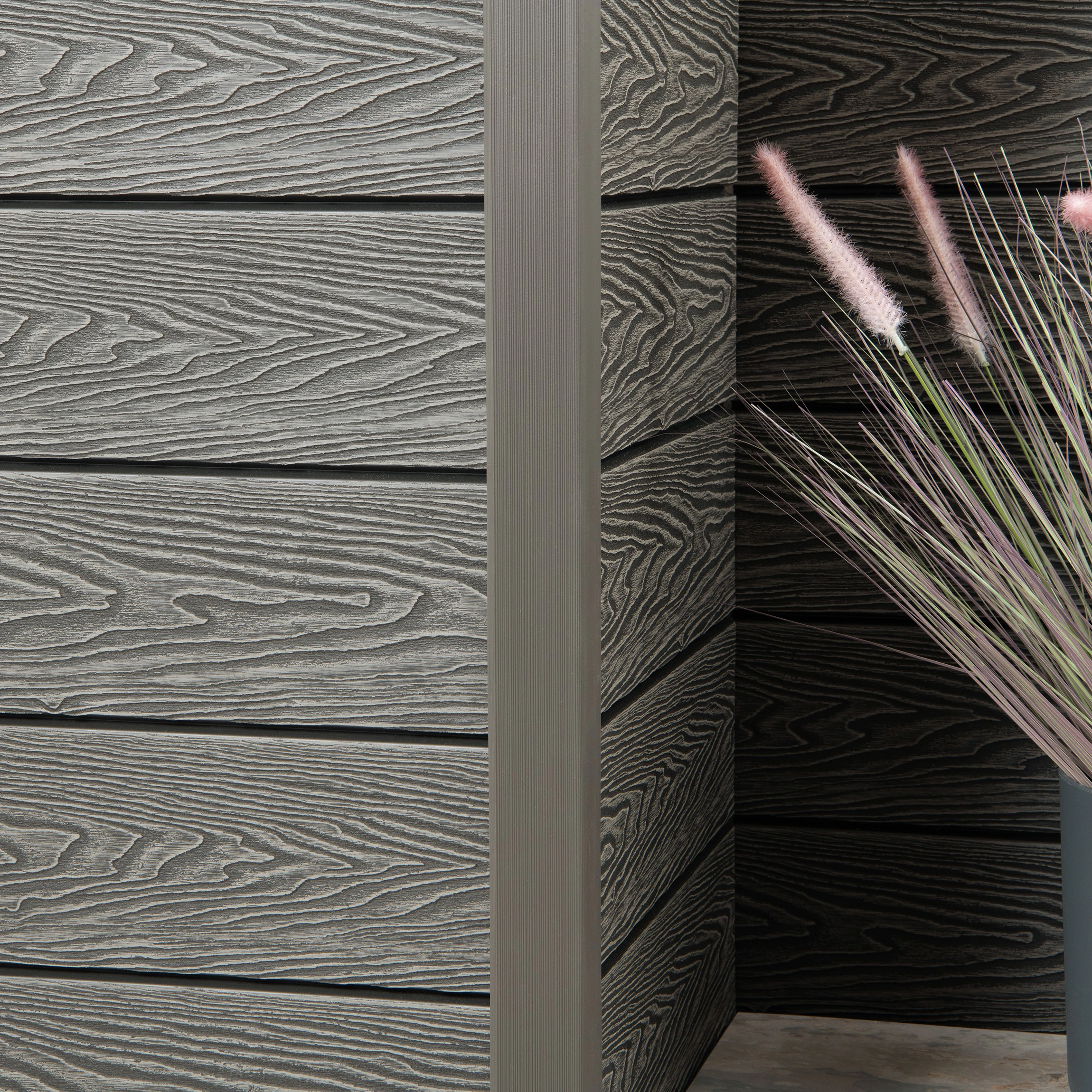
The definition and applications of fibre cement cladding are given below:
- Define Fibre Cement Composition: Fibre cement cladding combines cement, silica sand, and reinforcing cellulose fibres to create dense, stable panels for external use.
- Provide Fire Resistance Performance: Fibre cement cladding achieves non-combustible or limited-combustibility classification, improving building fire safety compliance.
- Resist Weather Exposure: Fibre cement panels withstand rain, frost, UV exposure, and temperature variation without warping or cracking.
- Support Residential Applications: Fibre cement cladding is used on house façades, extensions, and external wall insulation systems for durability and low maintenance.
- Enable Commercial Use: Fibre cement cladding is applied to offices, schools, and retail buildings due to structural stability and fire performance.
- Allow Ventilated Façade Systems: Fibre cement cladding integrates with cavity systems to improve airflow and moisture control behind panels.
- Provide Design Flexibility: Fibre cement cladding offers smooth, textured, and wood-effect finishes for modern architectural design.
- Reduce Maintenance Requirements: Fibre cement cladding requires minimal upkeep due to resistance to rot, pests, and environmental degradation.
What Is Metal Cladding And What Types Are Used?
Metal cladding is a protective and decorative wall covering system made from metals such as aluminium, steel, zinc, and copper, designed to provide high durability, weather resistance, and modern architectural finishes across external and internal building surfaces.
The types of metal cladding are given below:
- Aluminium Cladding: Lightweight panels with high corrosion resistance, suitable for residential and commercial façades with lifespan of 30–50 years.
- Steel Cladding: Galvanised or coated steel panels provide high structural strength and impact resistance, commonly used in industrial and commercial buildings.
- Zinc Cladding: Self-healing metal surface forms protective patina, providing long lifespan of 50–100 years with minimal maintenance.
- Copper Cladding: Premium metal cladding develops natural patina over time, offering high durability and distinctive architectural appearance.
- Aluminium Composite Panels (ACP): Multi-layer panels with aluminium outer layers and core material provide lightweight structure and modern finishes.
- Corrugated Metal Cladding: Profiled sheets increase structural strength and drainage performance for industrial and agricultural applications.
- Standing Seam Cladding: Interlocking vertical panels provide weather-tight joints and clean architectural lines for contemporary designs.
What Is External Insulation With Finish Systems?
External Insulation With Finish System (EIFS) is a multi-layer exterior wall cladding system that combines insulation boards, reinforcement layers, and a decorative finish coat to improve thermal performance, weather resistance, and façade appearance in residential and commercial buildings.
The structure and components of EIFS are given below:
- Insulation Layer: Rigid insulation boards such as expanded polystyrene or mineral wool are fixed to external walls to reduce heat transfer and improve energy efficiency.
- Adhesive And Mechanical Fixing: Insulation boards are secured using adhesive compounds and mechanical fixings to ensure structural stability.
- Base Coat Layer: A cement-based or polymer-modified base coat is applied over insulation to provide strength and surface bonding.
- Reinforcement Mesh: Glass fibre mesh is embedded within the base coat to increase impact resistance and prevent cracking.
- Finish Coat Layer: Decorative render or textured coating provides final appearance and additional weather protection.
- Moisture Control Function: EIFS systems include water-resistant layers to prevent moisture penetration and reduce condensation risk.
- Thermal Performance Improvement: EIFS reduces heat loss by 20–40%, improving building energy efficiency and indoor comfort.
What Is Insulated Cladding And Cavity Systems?
Insulated cladding and cavity systems are external wall constructions that combine thermal insulation layers with ventilated air gaps, designed to reduce heat transfer, control moisture, and improve building durability through structured multi-layer façade assemblies.
The components and functions of insulated cladding and cavity systems are given below:
- Insulated Cladding System: External cladding integrated with insulation boards reduces heat loss by 20–40% and improves energy efficiency across building envelopes.
- Cavity Gap Structure: A 25–50 mm ventilated air gap between cladding and wall enables airflow and moisture evaporation.
- Moisture Control Function: Cavity systems prevent water penetration and condensation buildup by allowing drainage and ventilation behind cladding panels.
- Thermal Performance Improvement: Insulation layers reduce heat transfer through walls, improving indoor temperature stability and reducing energy consumption.
- Ventilated Façade Design: Continuous airflow within cavity systems prevents trapped moisture and improves long-term structural performance.
- Drainage Pathway Integration: Openings at the base of the cavity allow water to exit, preventing accumulation and structural damage.
- Fixing System Support: Battens or rail systems create the cavity and provide structural support for cladding installation.
What Is Acoustic Cladding And Sound-Dampening Systems?
Acoustic cladding and sound-dampening systems are multi-layer wall coverings designed to reduce noise transmission and echo, using dense panels, absorbent cores, and perforated surfaces to achieve 30–60% sound reduction across residential and commercial environments.
The components and functions of acoustic cladding and sound-dampening systems are given below:
- Acoustic Panel Structure: Multi-layer panels combine surface finishes with absorbent cores such as mineral wool or PET felt to reduce sound reflection and transmission.
- Sound Absorption Function: Porous and fibrous materials absorb airborne sound waves, reducing echo and reverberation within enclosed spaces.
- Noise Reduction Performance: Acoustic cladding reduces external noise penetration and internal sound reflection by 30–60% depending on panel density and thickness.
- Perforated Surface Design: Micro-perforations in panels allow sound waves to pass into absorbent layers, improving acoustic performance.
- Installation With Air Gap: Mounting acoustic panels with a cavity gap enhances sound absorption by increasing sound wave dissipation.
- Material Types Used: Acoustic cladding includes wood slat panels, fabric-wrapped boards, perforated metal panels, and composite acoustic systems.
- Application Areas: Acoustic cladding is used in offices, studios, cinemas, and residential spaces requiring noise control and improved sound quality.
What Is Fire-Resistant And Non-Combustible Cladding?
Fire-resistant and non-combustible cladding is a façade system made from materials that resist ignition and limit flame spread, using A1 or A2-s1,d0 rated components to achieve 30–120 minute fire resistance and reduce external fire propagation across building envelopes.
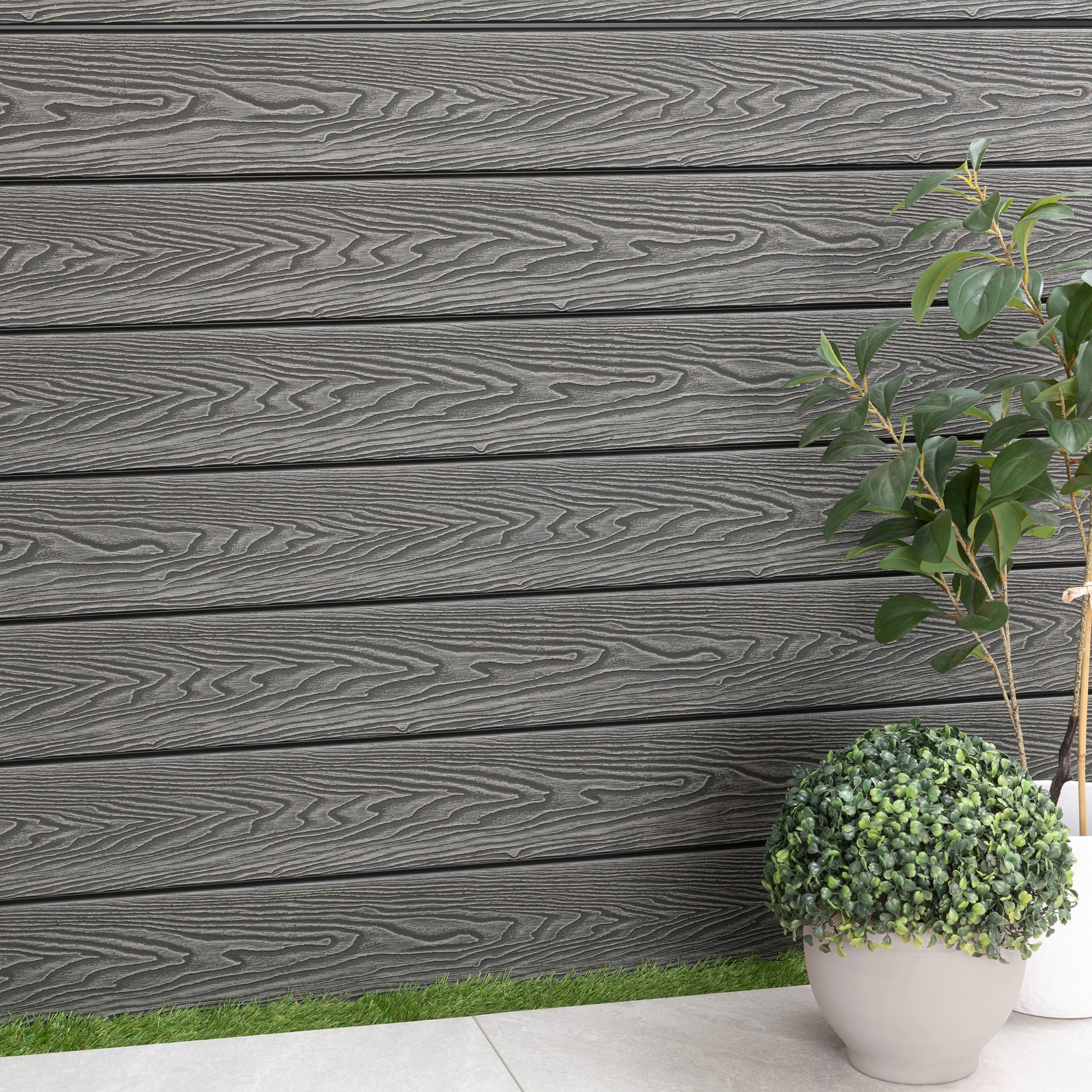
The definition and characteristics of fire-resistant and non-combustible cladding are given below:
- Define Non-Combustible Materials: Materials classified as A1 under Euroclass do not ignite or contribute to fire, including stone, concrete, and certain metal systems.
- Define Limited Combustibility Materials: Materials classified as A2-s1,d0 provide very low contribution to fire with controlled smoke production and minimal flaming droplets.
- Fire Resistance Performance: Cladding systems achieve fire resistance ratings of 30, 60, or 120 minutes depending on material composition and system design.
- System-Based Performance: Fire compliance depends on the full cladding assembly including insulation, fixings, membranes, and cavity barriers.
- Cavity Barrier Integration: Fire-stopping barriers prevent vertical and horizontal fire spread within ventilated cladding cavities.
- Surface Spread Of Flame Control: Fire-resistant finishes limit flame spread across external wall surfaces, reducing façade fire risk.
- Material Examples: Fibre cement, metal panels, stone cladding, and fire-rated composites provide non-combustible or fire-resistant performance.
What Is Water-Resistant And Waterproof Cladding?
Water-resistant and waterproof cladding are external wall systems designed to limit or prevent water penetration, using low-absorption materials, sealed joints, and drainage layers to achieve 30–70% reduction in moisture ingress and protect structural walls.
The definition and characteristics of water-resistant and waterproof cladding are given below:
- Define Water-Resistant Cladding: Materials such as fibre cement, treated timber, and composite limit water absorption and resist surface moisture without complete impermeability.
- Define Waterproof Cladding: Materials such as uPVC, metal, and porcelain prevent water penetration through non-porous surfaces and sealed joint systems.
- Moisture Protection Function: Cladding systems reduce rainwater ingress and surface saturation, protecting underlying wall structures from dampness.
- Drainage System Integration: Waterproof cladding uses cavity gaps and drainage pathways to direct water away from the wall surface.
- Sealed Joint Design: Interlocking panels, sealants, and trims prevent water entry at panel edges and connection points.
- Material Performance Difference: Waterproof materials provide zero water absorption, while water-resistant materials allow limited moisture exposure without damage.
- Application Areas: Waterproof cladding suits high-moisture environments such as bathrooms and exterior façades, while water-resistant cladding suits general outdoor applications.
What Is Low-Maintenance Cladding?
Low-maintenance cladding is a wall covering system designed to require minimal cleaning, treatment, and repair, using durable materials such as uPVC, composite, metal, and fibre cement that maintain performance and appearance with limited upkeep over 20–50 years.
The characteristics of low-maintenance cladding are given below:
- Use Durable Materials: Materials such as composite, uPVC, and fibre cement resist rot, corrosion, and weather damage, reducing maintenance frequency.
- Require Minimal Cleaning: Low-maintenance cladding requires cleaning 1–2 times per year to remove dirt and environmental buildup.
- Eliminate Regular Treatment: Low-maintenance systems do not require repainting, sealing, or staining compared to timber cladding.
- Resist Moisture And UV Exposure: Non-porous and coated surfaces prevent water absorption and reduce colour fading under sunlight.
- Reduce Repair Frequency: Strong materials reduce cracking, warping, and surface damage, lowering long-term repair needs.
- Maintain Surface Appearance: Consistent colour and finish reduce visible wear and maintain aesthetic quality over time.
- Support Long Lifespan: Low-maintenance cladding systems maintain durability for 20–50 years with limited intervention.
How Do Different Cladding Types Perform In UK Climate?
Different cladding types perform in the UK climate based on moisture resistance, frost durability, and UV stability, with composite, fibre cement, and stone outperforming untreated timber by maintaining structural integrity under high rainfall, humidity, and temperature variation.
The performance of cladding types in UK climate is given below:
- Timber Cladding Performance: High rainfall and humidity increase moisture absorption, causing swelling, rot, and surface degradation without treatment every 3–5 years.
- Composite Cladding Performance: Composite materials resist moisture, reduce expansion, and maintain dimensional stability under wet and variable UK conditions.
- uPVC Cladding Performance: uPVC panels provide waterproof performance and resist humidity, maintaining durability with minimal maintenance.
- Fibre Cement Cladding Performance: Fibre cement panels resist rain, frost, and temperature variation, providing stable long-term performance.
- Metal Cladding Performance: Metal panels resist moisture but require protective coatings to prevent corrosion in coastal or high-humidity environments.
- Stone Cladding Performance: Stone materials resist weather exposure and frost, maintaining durability with minimal maintenance over long periods.
- Porcelain Cladding Performance: Porcelain panels provide low water absorption and high frost resistance, performing well under freeze–thaw cycles.
- Brick Slip Cladding Performance: Brick slips maintain durability under rainfall and frost when joints are properly sealed and maintained.
What Weather Resistance Characteristics Matter?
Weather resistance in cladding depends on 6 key characteristics including water absorption rate, UV stability, frost resistance, thermal movement control, wind load strength, and corrosion resistance, with high-performance materials reducing environmental damage by 30–60% under UK climate conditions.
The weather resistance characteristics that matter are given below:
- Water Absorption Resistance: Low-porosity materials such as porcelain, composite, and metal prevent moisture penetration and reduce risk of rot and structural damage.
- UV Stability Performance: UV-resistant coatings and materials prevent colour fading and surface degradation under prolonged sunlight exposure.
- Frost And Freeze Resistance: Materials with low water absorption resist freeze–thaw damage, preventing cracking and surface deterioration.
- Thermal Expansion Control: Stable materials such as fibre cement and composite reduce expansion and contraction, preventing joint failure and warping.
- Wind Load Strength: High-strength materials and secure fixing systems resist wind pressure, preventing panel movement and detachment.
- Corrosion Resistance: Metal cladding requires protective coatings to resist rust and corrosion in humid or coastal environments.
- Surface Durability: Hard surfaces resist scratching, staining, and environmental wear, maintaining appearance and performance over time.
How Do Cladding Materials Handle Temperature Fluctuations?
Cladding materials handle temperature fluctuations through controlled thermal expansion, stable composition, and joint movement design, with high-performance materials reducing expansion-related damage by 20–50% and maintaining structural integrity across seasonal temperature changes.
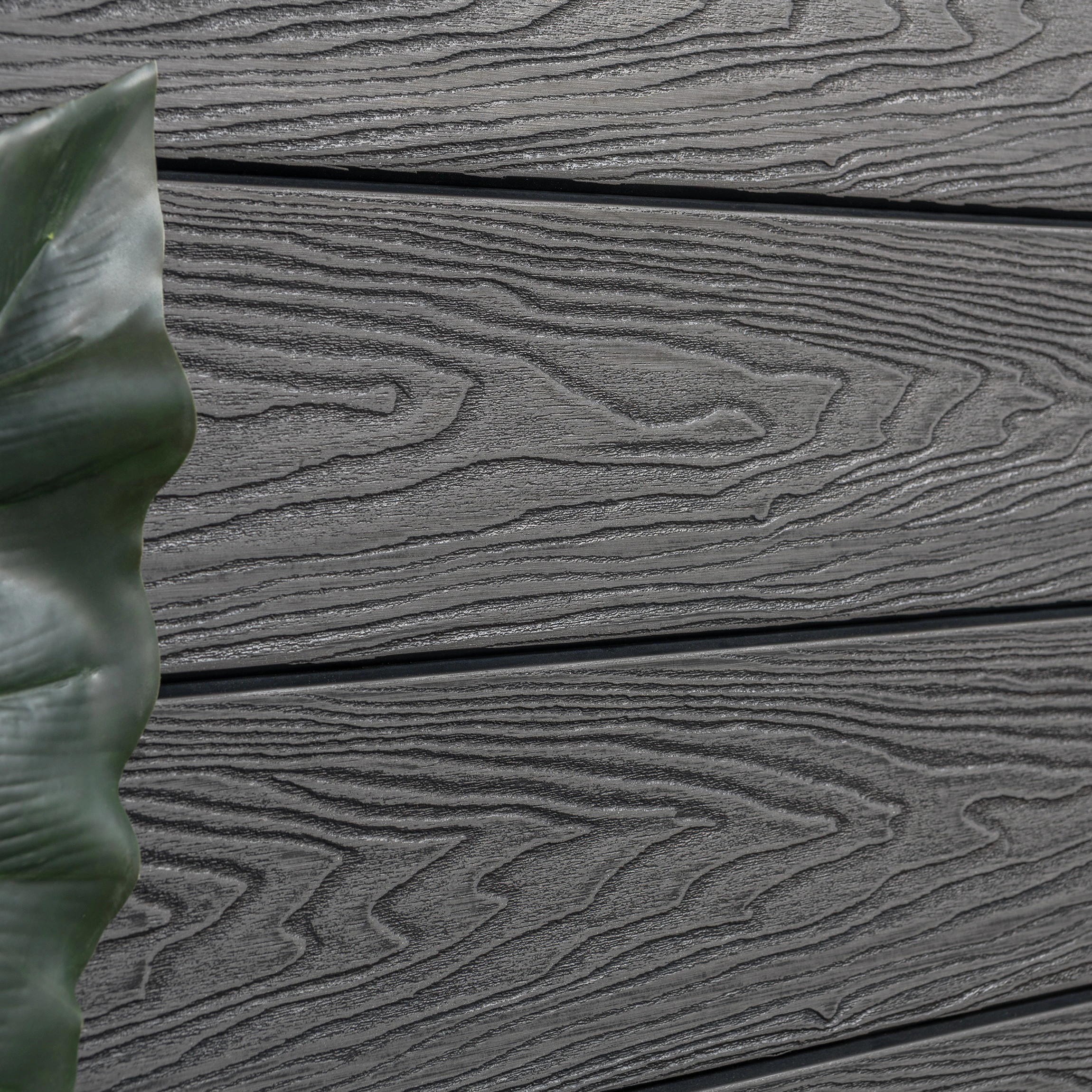
The temperature fluctuation performance of cladding materials is given below:
- Thermal Expansion Behaviour: Materials expand and contract with temperature changes, with metals showing higher movement and fibre cement or composite showing lower movement.
- Low Movement Materials: Fibre cement, porcelain, and composite fence panels maintain dimensional stability, reducing risk of cracking and joint failure.
- High Movement Materials: Metal and plastic-based cladding expand more under heat, requiring precise fixing systems and expansion gaps.
- Expansion Gap Requirement: Installation includes 2–10 mm movement gaps to accommodate expansion and prevent warping or buckling.
- Fixing System Flexibility: Mechanical fixings and clip systems allow controlled movement without damaging panel structure.
- Temperature Resistance Range: High-quality cladding materials perform within temperature ranges of -20°C to 60°C without structural failure.
- Surface Coating Protection: Protective coatings reduce heat absorption and limit surface stress caused by temperature variation.
What Installation Methods Differ Across Cladding Types?
Cladding installation methods differ across types through fixing systems, support structures, joint design, and ventilation requirements, with adhesive, mechanical fixing, rail systems, and interlocking methods influencing durability, installation speed, and structural performance by 20–40%.
The installation methods across cladding types are given below:
- Direct Adhesive Fixing: Panels such as brick slips and lightweight cladding use cement-based adhesives for direct bonding onto prepared wall surfaces.
- Mechanical Fixing System: Screws, nails, and clips secure timber, composite, and fibre cement panels to battens or frameworks for strong structural support.
- Batten And Framing System: Timber or metal battens create a support structure and ventilation cavity behind cladding panels, improving moisture control.
- Rail And Track Systems: Metal cladding and large-format panels use aluminium rail systems for precise alignment and secure installation on façades.
- Interlocking Panel Systems: Shiplap, tongue-and-groove, and composite panels use interlocking edges to create tight joints and improve water resistance.
- Ventilated Façade Installation: Cladding installed with a 25–50 mm cavity allows airflow and drainage behind panels to prevent moisture buildup.
- Panelised System Installation: Pre-assembled panels reduce installation time and improve consistency across large surface areas.
- Wet System Installation: Render and EIFS systems use layered application including base coat, reinforcement mesh, and finish coat.
How Do Different Types Of Cladding Compare In Cost?
Cladding costs vary from £40 to £250+ per square metre depending on material type, with uPVC and softwood at the lowest cost, composite and fibre cement in the mid-range, and metal, stone, and premium systems at the highest cost due to durability and manufacturing complexity.
The cost comparison across different cladding types is given below:
- uPVC Cladding Cost: £40–£70/m². Lowest-cost option due to lightweight plastic composition and mass production efficiency.
- Softwood Cladding Cost: £40–£80/m². Affordable timber option with shorter lifespan and higher maintenance requirement.
- Shiplap Cladding Cost: £50–£110/m². Overlapping board systems in timber or composite provide moderate pricing and weather resistance.
- Composite Cladding Cost: £80–£150/m². Engineered materials increase cost due to durability, moisture resistance, and low maintenance performance.
- Fibre Cement Cladding Cost: £90–£140/m². Cement-based panels increase cost due to fire resistance and structural stability.
- Brick Slip Cladding Cost: £80–£150/m². Thin brick systems provide traditional appearance with moderate material cost.
- Metal Cladding Cost: £100–£200/m². Aluminium, steel, and zinc panels increase cost due to fabrication and corrosion-resistant coatings.
- Stone Cladding Cost: £120–£250+/m². Natural and engineered stone represent the highest cost due to material density and installation complexity.
- Porcelain Cladding Cost: £100–£200/m². High-density ceramic panels increase cost due to low water absorption and durability.
How Do Maintenance Costs Vary By Type?
Cladding maintenance costs vary by material type between £1 and £20 per m² annually, with uPVC and composite requiring minimal upkeep and timber and render systems requiring higher ongoing treatment and repair costs due to exposure and material sensitivity.
The maintenance cost variation by cladding type is given below:
- uPVC Cladding Maintenance Cost: £1–£3/m² per year. Low maintenance due to waterproof and non-porous surfaces requiring cleaning only 1–2 times annually.
- Composite Cladding Maintenance Cost: £2–£5/m² per year. Requires periodic cleaning with no need for sealing or repainting, reducing long-term cost.
- Fibre Cement Cladding Maintenance Cost: £3–£6/m² per year. Requires inspection and occasional cleaning with minimal surface treatment.
- Metal Cladding Maintenance Cost: £4–£8/m² per year. Requires cleaning and coating inspection to prevent corrosion, especially in coastal environments.
- Brick Slip Cladding Maintenance Cost: £3–£7/m² per year. Requires joint inspection and occasional repointing to maintain structural integrity.
- Stone Cladding Maintenance Cost: £5–£10/m² per year. Requires periodic sealing and cleaning to prevent staining and moisture penetration.
- Timber Cladding Maintenance Cost: £8–£20/m² per year. Requires treatment every 3–5 years including staining, sealing, or painting to prevent rot and UV damage.
- Render Cladding Maintenance Cost: £6–£15/m² per year. Requires repainting and crack repair to maintain surface protection and appearance.
How Do Different Types Compare In Durability?
Cladding durability varies between 20 and 100+ years depending on material density, moisture resistance, and maintenance level, with uPVC and softwood at the lower range and metal, fibre cement, and stone providing the highest long-term structural performance.
The durability comparison across cladding types is given below:
- uPVC Cladding Durability: 20–30 years. Resistant to moisture but susceptible to UV degradation over time.
- Softwood Cladding Durability: 15–30 years. Lower density increases risk of rot and requires regular treatment to maintain performance.
- Shiplap Cladding Durability: 25–50 years. Performance depends on material type such as timber or composite and quality of installation.
- Composite Cladding Durability: 25–40 years. Engineered materials resist moisture, warping, and insect damage with low maintenance requirements.
- Fibre Cement Cladding Durability: 40–60 years. High resistance to fire, moisture, and temperature variation ensures long-term stability.
- Brick Slip Cladding Durability: 40–60 years. Durable under weather exposure when joints are properly maintained.
- Metal Cladding Durability: 50–100 years. Aluminium, zinc, and steel panels provide high strength and long lifespan with protective coatings.
- Stone Cladding Durability: 75–100+ years. Natural stone offers the highest durability due to high density and resistance to environmental stress.
- Porcelain Cladding Durability: 50–100 years. Low water absorption and high hardness ensure long-term resistance to weather and wear.
What Maintenance Requirements Differ Across Types?
Cladding maintenance requirements differ by material through cleaning frequency, protective treatments, joint upkeep, and inspection needs, with low-maintenance systems requiring 1–2 cleanings per year and high-maintenance materials requiring treatment cycles every 2–5 years.
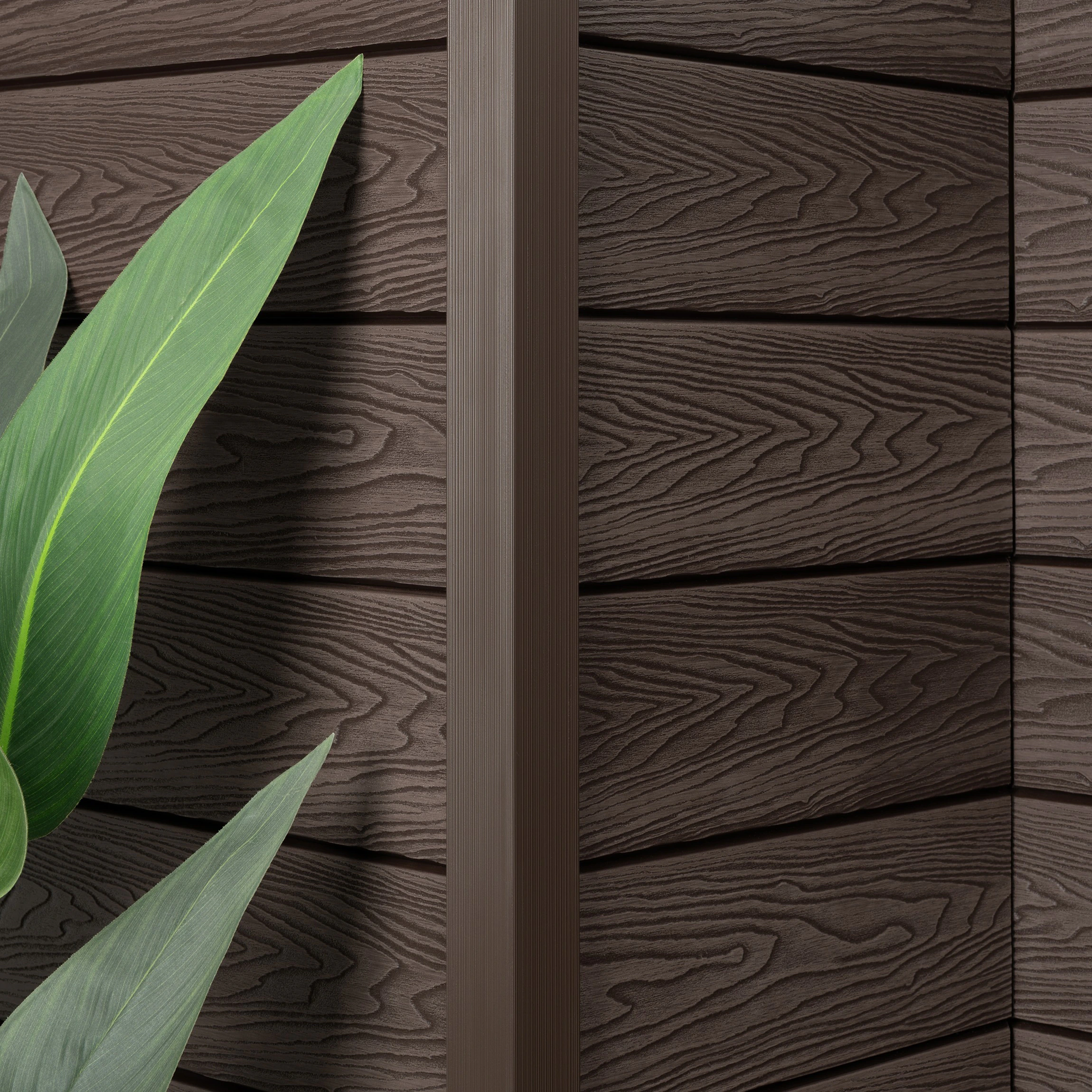
The maintenance requirements across cladding types are given below:
- uPVC Cladding Maintenance: Clean 1–2 times per year with water and mild detergent to remove dirt and algae, with no sealing or painting required.
- Composite Cladding Maintenance: Clean 1–2 times per year and inspect fixings annually, with no need for staining or protective coating.
- Fibre Cement Cladding Maintenance: Clean 1–2 times per year and inspect for cracks or joint issues to maintain surface integrity.
- Metal Cladding Maintenance: Clean periodically and inspect coatings to prevent corrosion, especially in coastal or high-humidity environments.
- Brick Slip Cladding Maintenance: Inspect mortar joints annually and repoint where required to maintain weather resistance.
- Stone Cladding Maintenance: Clean periodically and reseal surfaces every 5–10 years to prevent staining and moisture absorption.
- Timber Cladding Maintenance: Clean every 4–6 months and apply protective treatment every 3–5 years to prevent rot and UV damage.
- Render Cladding Maintenance: Inspect for cracks and repaint or repair every 5–10 years to maintain surface protection.
What Common Mistakes Occur With Cladding Type Selection?
Common cladding type selection mistakes include ignoring climate suitability, underestimating maintenance requirements, prioritising cost over durability, and selecting incompatible systems, with such errors increasing lifecycle cost by 20–50% and reducing façade performance.
The common mistakes in cladding type selection are given below:
- Ignore Climate Conditions: Selecting materials without moisture, UV, or frost resistance leads to premature degradation in specific environments.
- Underestimate Maintenance Needs: Choosing high-maintenance materials such as untreated timber increases long-term cost and upkeep frequency.
- Focus Only On Initial Cost: Selecting low-cost materials without considering lifespan and durability increases replacement and repair costs over time.
- Choose Incompatible Systems: Combining materials without compatible fixings or substrates causes structural instability and installation failure.
- Ignore Fire Performance Requirements: Selecting materials without appropriate fire ratings reduces safety compliance and increases risk.
- Overlook Installation Complexity: Complex materials increase labour cost and risk of installation errors when not properly planned.
- Mismatch Design And Function: Selecting materials based only on appearance without considering performance leads to functional issues.
- Neglect Ventilation And Drainage Needs: Selecting systems without proper airflow or moisture management increases risk of dampness and structural damage.
Summing Up
Cladding selection determines building performance through durability, thermal efficiency, weather resistance, and lifecycle cost, with correct material, installation method, and maintenance strategy extending lifespan to 20–100+ years and reducing long-term repair cost by 20–50%.
Cladding materials define structural protection and façade performance. Timber, composite, uPVC, fibre cement, metal, stone, and brick slip cladding provide different durability levels, maintenance requirements, and cost ranges between £40 and £250+ per m². High-density materials such as metal and stone provide extended lifespan and reduced maintenance frequency, while low-density materials require frequent treatment and earlier replacement.
Cladding performance depends on resistance to moisture, UV exposure, temperature fluctuation, and wind load. Low-porosity materials reduce water absorption and prevent structural damage. Stable materials limit thermal movement and reduce cracking and joint failure. Protective coatings improve surface durability and extend performance under environmental stress.
Cladding installation defines long-term reliability. Correct surface preparation, fixing systems, ventilation gaps, and drainage pathways reduce moisture ingress by 30–60% and prevent structural defects. Installation methods such as mechanical fixing, batten systems, and ventilated façades improve durability and moisture control.
Cladding maintenance varies by material type. uPVC and composite require cleaning 1–2 times per year, while timber requires treatment every 3–5 years. Maintenance cost ranges between £1 and £20 per m² annually, with low-maintenance materials reducing lifecycle expenditure.
